How about a calorimeter?
As a core instrument for accurately measuring the heat of matter, calorimeters are widely used in energy, chemical, food and other fields. To use it efficiently, a comprehensive understanding of the principle and operation is required.
Clear calorimeter working principle
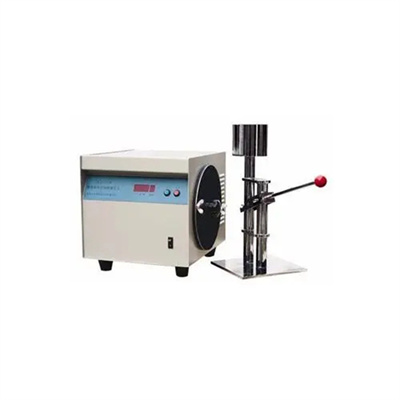
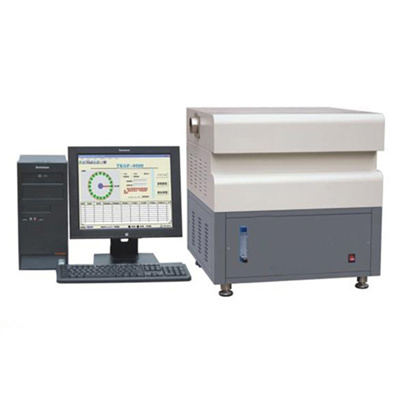
The calorimeter is based on the laws of thermodynamics and calculates the calorific value of a substance by measuring the heat released during the combustion or reaction of a substance. Its core components include an oxygen bomb, an inner cylinder, an outer cylinder and a temperature measurement system. The oxygen bomb provides a closed high-pressure environment for the combustion of substances. The inner cylinder is filled with water to absorb the combustion heat, and the outer cylinder plays a role in heat preservation. The temperature measurement system accurately captures temperature changes and provides data support for heat calculation.
Master the standard operation steps
1. Preliminary preparation: Check whether the components of the instrument are in good condition, ensure that the oxygen bomb seal is free of leakage, and the water volume of the inner cylinder meets the requirements. At the same time, prepare the samples to be tested.
2. Sample loading: Put the weighed sample into the crucible, load the oxygen bomb, and connect the ignition wire to ensure good contact.
3. Instrument installation: Put the oxygen bomb into the inner cylinder, fill the inner cylinder with water to the specified water level, cover the instrument cover, and connect the electrodes.
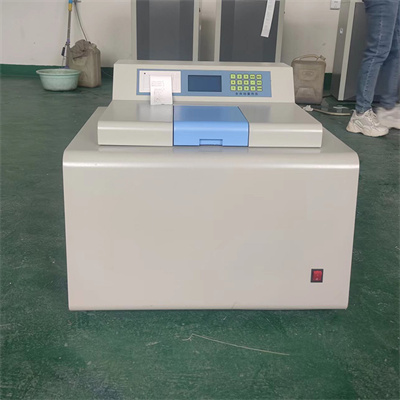
4. Start the measurement: Turn on the power supply of the calorimeter, enter the sample quality and other information according to the instrument prompts, and start the measurement program. The instrument will automatically complete the ignition, temperature measurement, calculation and other processes.
5. Data recording and cleaning: After the measurement, record the data in time, turn off the power supply, disassemble the oxygen bomb, and clean the inside of the instrument to prepare for the next use.
Remember to use key skills
Environmental control: The calorimeter needs to be placed in an environment with stable temperature and no strong electromagnetic interference to avoid environmental factors affecting the measurement accuracy.
Sample handling: Samples should be uniform, dry, and accurately weighed to ensure sample representativeness and avoid measurement errors due to sample problems.
Instrument calibration: Periodically calibrate the calorimeter and use reference materials to verify the accuracy of the instrument to ensure reliable measurement results.
By mastering the working principle, operation steps and usage skills of the calorimeter, you will be able to skillfully use this instrument and provide accurate heat data support for related research and production.
 How to read calorimeter data
 What is the design principle of a calorimeter?
 What is the harm of lack of water in the calorimeter?
 What is the input interface of the calorimeter?