Reasons for unqualified reverse standard of calorimeter
As the core equipment for accurately detecting calorific value, the unqualified anti-standard calorimeter will directly affect the reliability of the test results and bring great obstacles to production, scientific research and other work. In-depth analysis of the reasons for the unqualified anti-standard is the key to ensure the normal operation of the equipment.
The equipment's own factors are the primary investigation direction. If the core components of the calorimeter, such as oxygen bombs, inner cylinders, temperature sensors, etc., are aged, worn or damaged, it will directly interfere with heat transfer and temperature measurement. For example, the decrease in the sealing of the oxygen bomb will lead to insufficient combustion, insufficient heat release, and the standard calorific value cannot be reached when reverse standard; the decrease in the sensitivity of the temperature sensor will cause the deviation of the temperature collection data, resulting in inaccurate reverse standard results. In addition, the internal wiring of the instrument is loose and the contact is poor, which may also cause signal transmission failures and affect the normal execution of the reverse standard process.
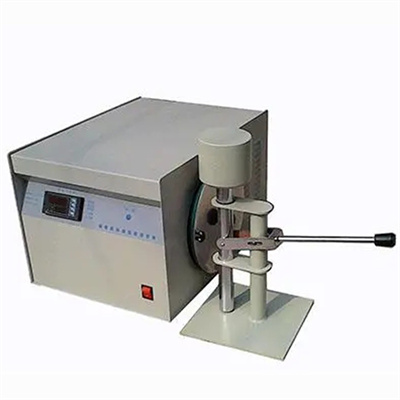
Irregular operation process is a common cause. Reverse standard operation requires extremely high rigor of the steps. If the operator does not strictly follow the procedures, it is easy to lead to unqualified results. For example, when weighing the standard material, if the weighing accuracy is insufficient, the deviation between the actual quality and the standard value is too large, which will cause the calorific value calculated by the reverse standard to deviate; when installing an oxygen bomb, if the sealing ring is not tightened, it will cause gas leakage and affect the combustion effect; the amount of water added is inaccurate, and the difference between the water temperature of the inner cylinder and the ambient temperature is too large, which will also interfere with the heat balance and lead to the failure of the reverse standard.
The environmental conditions are not up to standard and cannot be ignored. The calorimeter has strict requirements on the temperature, humidity, and air pressure of the working environment. When the ambient temperature fluctuates greatly, the balance between heat dissipation and heat absorption of the instrument is broken, and the temperature measurement results will be wrong; if the humidity is too high, the internal circuit of the instrument may be damp, which will affect the performance of electronic components; if the air pressure is abnormal, it will affect the oxygen content in the oxygen bomb, which will then affect the combustion efficiency of the standard material, and eventually lead to the failure of the reverse standard.
The issue of reagents and reference materials also needs to be paid attention to. If the standard material used in the reverse standard is not pure enough, improperly stored and deteriorated, or exceeds the valid period, its calorific value characteristics will change, which cannot provide an accurate reference for the reverse standard. At the same time, if the purity of water, oxygen and other reagents used in the instrument does not meet the standard, it will also affect the adequacy of the combustion reaction and interfere with the reverse standard result.
To solve the problem of unqualified anti-standard of calorimeter, it is necessary to start from equipment maintenance, standardized operation, environmental control, reagent management and other aspects. Regularly calibrate and overhaul the equipment, strictly follow the operation process to ensure that the environmental conditions meet the requirements, and control the quality of reagents and standard materials to ensure that the anti-standard of calorimeter is qualified and build a solid foundation for accurate testing.
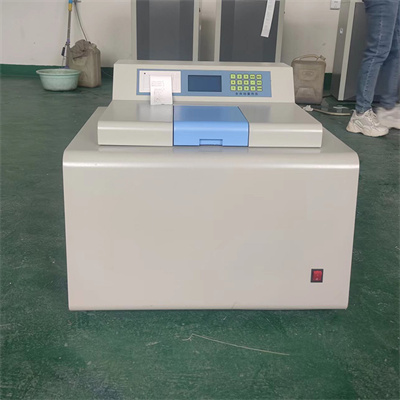 How to read calorimeter data
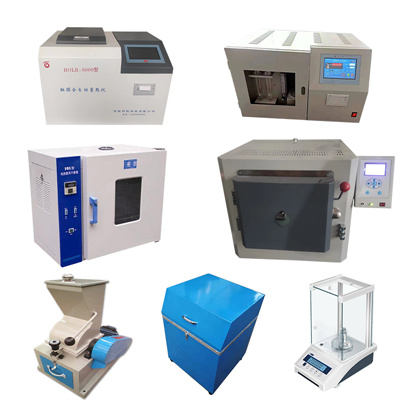 What is the design principle of a calorimeter?
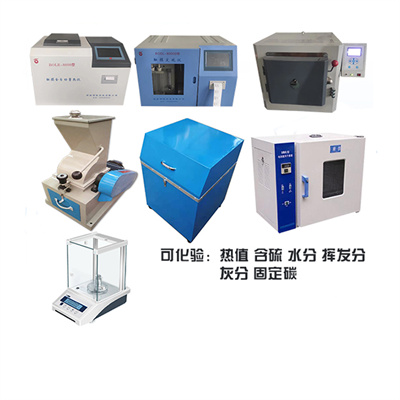 What is the harm of lack of water in the calorimeter?
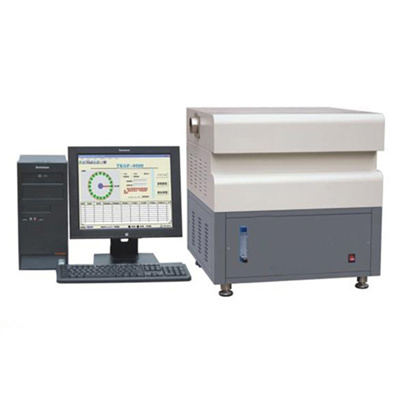 What is the input interface of the calorimeter?