What is the temperature control of the calorimeter furnace?
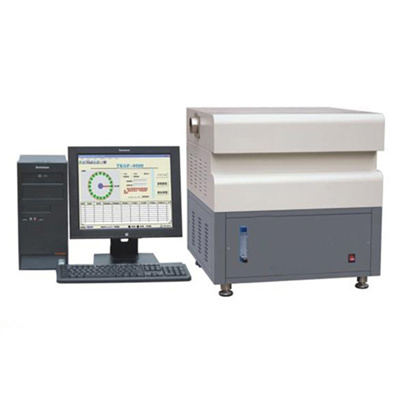
In various types of calorific value testing experiments, the calorimeter is the core equipment, and the accuracy of furnace temperature control directly determines the accuracy of the detection results. Therefore, it is crucial to master the scientific furnace temperature control standards and methods.
Calorimeter conventional furnace temperature control range
Different models and different application scenarios of calorimeters have different furnace temperature control standards, but the core control range of mainstream equipment is concentrated at 20 ° C to 30 ° C. Among them, the constant temperature calorimeter usually stabilizes the furnace temperature at about 25 ° C, and requires that the furnace temperature fluctuation does not exceed ± 0.1 ° C during the experimental process; the furnace temperature control accuracy of the adiabatic calorimeter is higher, and it needs to be consistent with the outer cylinder water temperature to completely eliminate the interference of ambient heat exchange and ensure the reliability of the detection data.
Key factors affecting furnace temperature control
1. Temperature control system performance: High-quality calorimeters are equipped with high-precision temperature sensors and intelligent PID temperature control modules, which can monitor the furnace temperature in real time and adjust it quickly to avoid large temperature fluctuations. If the temperature control system of old equipment is aging, it is prone to temperature deviations and needs to be upgraded and maintained in time.
2. Ambient temperature stability: The laboratory environment temperature should be stable at 15 ° C to 30 ° C, and avoid direct sunlight, direct air conditioning or close to heat sources. Violent changes in ambient temperature will lead to unbalanced heat dissipation or heat absorption of the furnace body, increasing the difficulty of temperature control. It is recommended that the laboratory be equipped with a thermostatic device.
3. Equipment sealing: The sealing of the calorimeter furnace body directly affects the thermal insulation effect. If the sealing ring is aging and the furnace door is not closed tightly, it will cause heat loss, resulting in the furnace temperature being difficult to stabilize at the set value. It is necessary to regularly check and replace the sealing parts.
Practical Adjustment Method of Furnace Temperature Control
1. Calibrate the temperature sensor: Regularly use a standard thermometer to calibrate the built-in sensor of the calorimeter. If a temperature deviation is detected, correct the parameters through the calibration function of the device to ensure accurate temperature monitoring data.
2. Optimize temperature control parameters: If the furnace temperature fluctuates widely, the PID temperature control parameters can be adjusted appropriately, such as increasing the proportional coefficient to improve the response speed, and fine-tuning the integration time to reduce the steady-state error. For specific parameters, please refer to the equipment manual or consult the manufacturer.
3. Standardize the preheating process: After each boot, the calorimeter needs to be preheated for 15-30 minutes. After the furnace temperature is stable within the set range, the test will be carried out to avoid uneven initial temperature caused by insufficient preheating and affect the test results.
Precautions for furnace temperature control
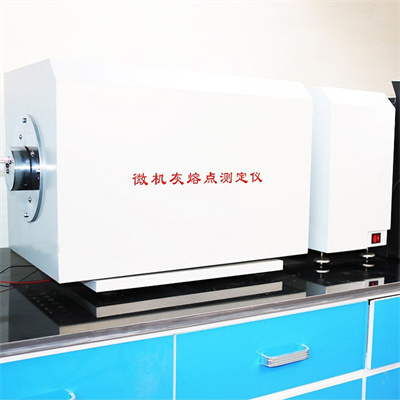
Before the experiment, it is necessary to check whether the power supply and temperature control system of the calorimeter are normal to ensure that the furnace body is not damaged; avoid frequent opening of the furnace door during the experiment to prevent heat loss; turn off the power supply in time after the experiment, and clean and maintain the furnace temperature after it drops to room temperature to prolong the service life of the equipment.
Overall, the temperature control of the calorimeter furnace needs to strictly follow the equipment standards, taking into account the equipment performance, environmental conditions and operating specifications, in order to ensure the accuracy of the calorific value detection to the greatest extent and provide reliable data support for the experiment.
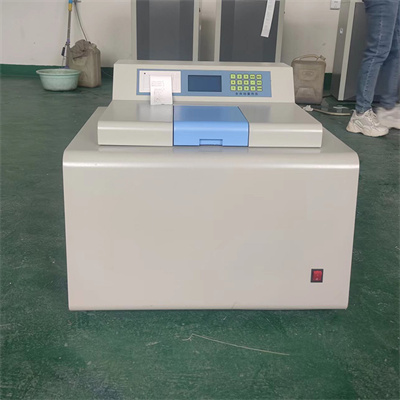 How to read calorimeter data
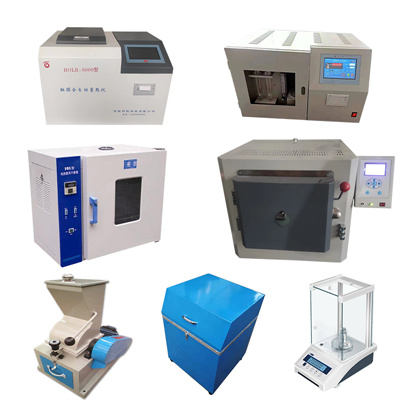 What is the design principle of a calorimeter?
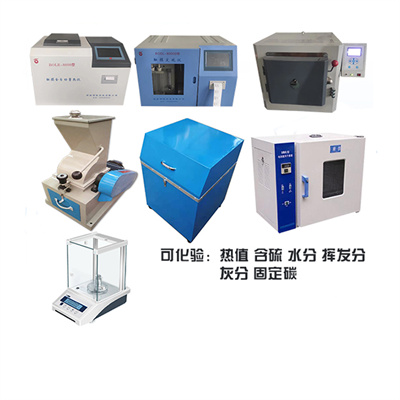 What is the harm of lack of water in the calorimeter?
 What is the input interface of the calorimeter?