How to calibrate a calorimeter
The importance of calorimeter calibration
As a key instrument for accurately measuring the heat of matter, calorimeters are widely used in energy, chemical industry, scientific research and other fields. The accuracy of its measurement data is directly related to the experimental results and production quality. Calibration is the core link to ensure the accuracy of calorimeters. Through standardized calibration, instrument errors can be eliminated and measurement data can be true and reliable.
Preparation before calibration
1. Environmental requirements: Calibration should be carried out in an environment with stable temperature and no strong airflow interference. The ideal temperature should be controlled at 15-30 ° C to avoid temperature fluctuations affecting the calibration results.
2. Instrument inspection: Carefully check the components of the calorimeter to ensure that the oxygen bomb does not leak, the ignition device is normal, and the mixing system operates smoothly to ensure that the instrument is in the best working condition.
3. Preparation of reference materials: Benzoic acid is selected as the reference material, its calorific value is stable and known, and the purity needs to reach more than 99.99%. In advance, benzoic acid is placed in a dryer and dried to a constant weight.
Specific calibration steps
1. Weigh the sample: Use a high-precision balance to accurately weigh about 1 gram of benzoic acid, accurate to 0.0001g. Press the weighed sample into a sheet and place it in a crucible at the bottom of the oxygen bomb.
2. Install the oxygen bomb: Add an appropriate amount of distilled water to the oxygen bomb, connect the ignition electrode, ensure that the electrode is in good contact with the sample sheet, and tighten the oxygen bomb cover to ensure sealing.
3. Barrel loading and debugging: Put the oxygen bomb into the inner barrel of the calorimeter, add an appropriate amount of distilled water, so that the water surface does not pass through the oxygen bomb inlet valve, cover the barrel, open the instrument, set the calibration parameters, and start calibration after the instrument is stable.
4. Ignition and measurement: Start the ignition program, the instrument automatically records the temperature change until the temperature no longer rises, records the end temperature, calculates the calorific value through the formula, and compares it with the standard calorific value of benzoic acid. If the error is within the allowable range, the calibration is qualified.
Precautions after calibration
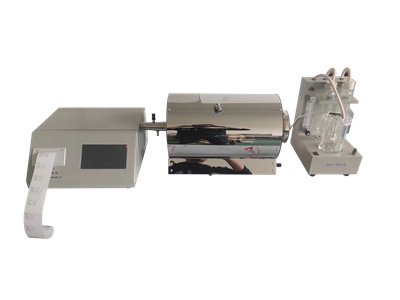
After the calibration is completed, the instrument needs to be cleaned and sorted out, and the reference material needs to be properly preserved. At the same time, the calorimeter should be re-calibrated regularly. It is generally recommended to calibrate every 3-6 months to ensure that the instrument always maintains a high-precision measurement state. Mastering the scientific calibration method of the calorimeter can provide accurate data support for experiments and production, and help the work to be carried out efficiently.
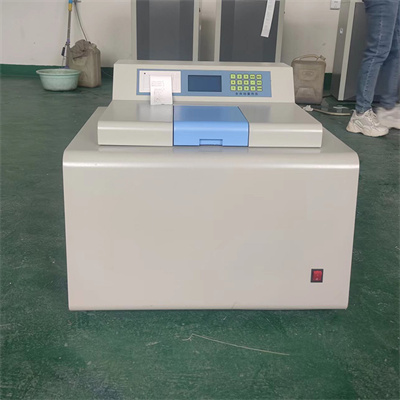 How to read calorimeter data
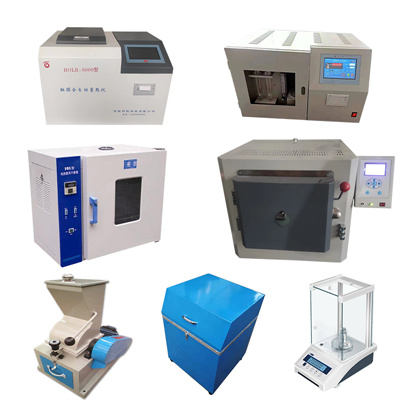 What is the design principle of a calorimeter?
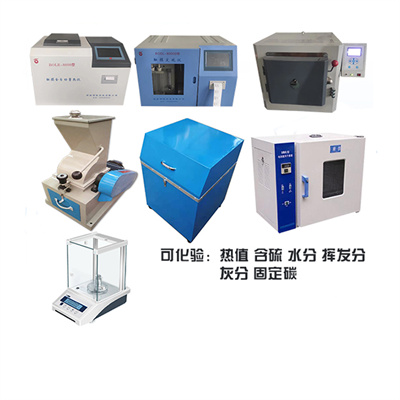 What is the harm of lack of water in the calorimeter?
 What is the input interface of the calorimeter?