How to calibrate a calorimeter
The importance of calorimeter calibration
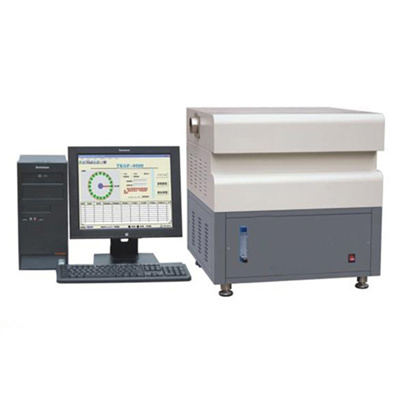
The calorimeter is a key instrument for accurately measuring the heat of substances and is widely used in chemical, energy and other fields. In order to ensure the accuracy and reliability of the measurement data, it is essential to calibrate the calorimeter regularly. Calibration can correct the instrument error and ensure the scientific and authoritative experimental results.
Preparation before calibration
1. Select reference materials: Choose reference materials with stable calorific value and known calorific value, such as benzoic acid, which has a clear calorific value standard and is an ideal calibration material.
2. Check the status of the instrument: ensure that the appearance of the calorimeter is intact, the components are connected normally, the oxygen bomb has no leakage, and the temperature sensor is sensitive. At the same time, turn on the instrument preheating in advance to achieve a stable working state.
The specific steps of calorimeter calibration
1. Weigh the reference material: Use a high-precision balance to accurately weigh an appropriate amount of the reference material, record the weight, and control the error within a very small range, generally accurate to 0.1mg.
2. Sampling and sealing: put the weighed standard material into the crucible, then place the crucible in the oxygen bomb, and connect the ignition wire. Make sure the oxygen bomb is well sealed to avoid gas leakage during combustion.
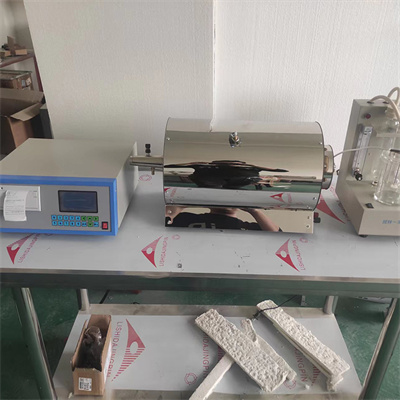
3. Oxygen loading and installation: Fill the oxygen bomb with high-pressure oxygen, and the pressure reaches the specified value (usually 2.8-3.0MPa). Then carefully install the oxygen bomb to the measurement position of the calorimeter.
4. Start the measurement: Turn on the calorimeter and start the measurement program according to the instrument operation process. The instrument will automatically record the temperature change during the combustion process until the end of the measurement.
5. Data calculation and analysis: According to the measurement data, combined with the calorific value of the standard material, the heat capacity of the calorimeter is calculated through the built-in algorithm of the instrument. If the deviation of multiple measurement results is large, the operation needs to be repeated until the data is stable.
Verification and maintenance after calibration
After the calibration is completed, verify the measurement with other substances with known calorific value to check whether the measurement results are accurate. If the deviation is within the allowable range, the calibration is successful. In daily use, regularly maintain the calorimeter to keep the instrument clean and replace the aging parts in time to ensure that the instrument is always in good working condition.
Mastering the calibration method of the calorimeter can effectively improve the measurement accuracy and provide reliable data support for scientific research and production. Strictly follow the calibration process and pay attention to details to control, so that the calorimeter always maintains the best performance.
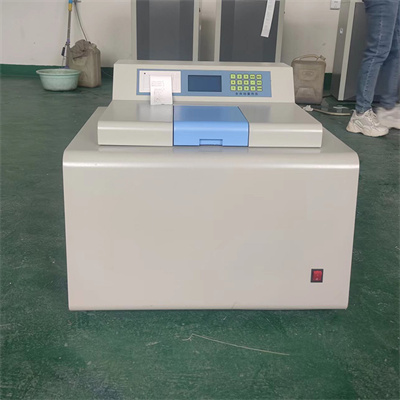 How to read calorimeter data
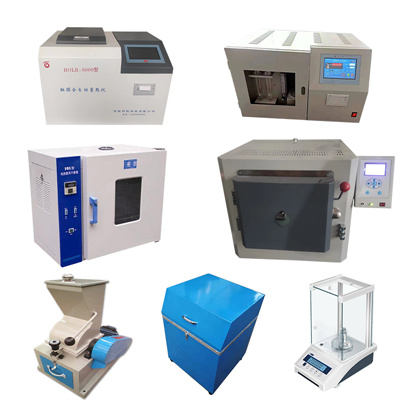 What is the design principle of a calorimeter?
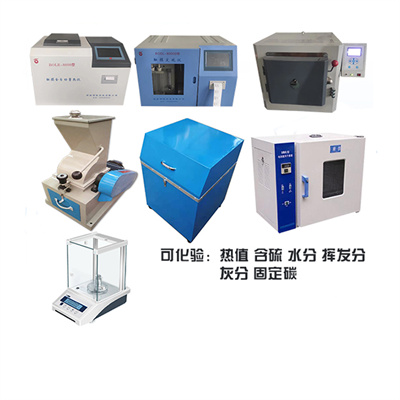 What is the harm of lack of water in the calorimeter?
 What is the input interface of the calorimeter?