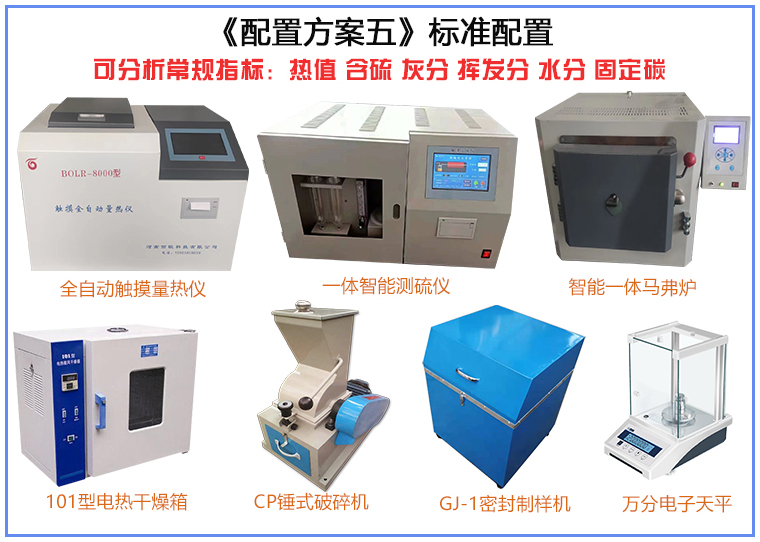
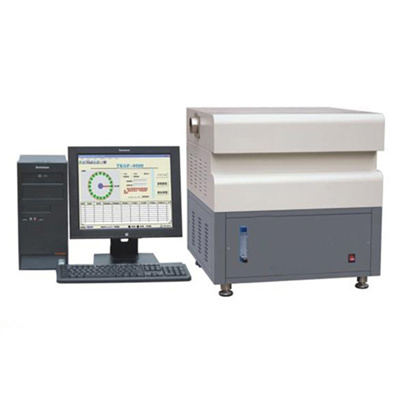
coal testing instruments (such as oxygen bomb calorimeter, coulomb titrator, muffle furnace, electronic balance, drying oven, etc.) are the core equipment for detecting coal heat, sulfur, ash and other indicators. Their accuracy and stability directly determine the accuracy of the test results. Many enterprises often pay attention to the operation process during the test process, but ignore the daily maintenance and calibration of the instrument, resulting in a decrease in the accuracy of the instrument and frequent failures, which not only affects the detection efficiency, but also causes the deviation of the test results and causes production and trade disputes. This article details the daily maintenance methods, calibration standards and precautions of commonly used instruments for coal testing, helping enterprises to extend the service life of the instrument and ensure the accuracy and reliability of the test results.
The maintenance and calibration of commonly used instruments for coal testing should follow the principle of "regular maintenance, regular calibration, and special responsibility". Combined with the frequency of use and performance requirements of the instrument, a detailed maintenance and calibration plan should be formulated to ensure that the instrument is always in normal working condition. The following are the maintenance and calibration points of various commonly used instruments:
Oxygen bomb calorimeter (heat detection core instrument)
Daily maintenance: 1. After each use, clean the oxygen bomb in time to remove the remaining coal samples and combustion residues inside, dry it and dry it to avoid corroding the inner wall and electrodes of the oxygen bomb; 2. Regularly check the sealing ring of the oxygen bomb, if aging or damage occurs, replace it in time (usually every 3-6 months) to ensure that the oxygen bomb is tightly sealed and avoid air leakage; 3. Regularly clean the inner cylinder of the calorimeter, replace the inner cylinder water (once every 15 days), and use distilled water to avoid impurities in the water affecting the heat measurement; 4. Check the ignition wire and electrodes, and replace the ignition wire in time after wear. If there are stains on the electrode surface, wipe it clean with alcohol to ensure normal ignition; 5. When the instrument is not in use for a long time, it should be turned on and run once a month to avoid the aging of electronic components.
Calibration standards: 1. Heat capacity calibration: calibrate with benzoic acid (standard calorific value material, calorific value is 26450J/g) at least once a month, and the relative standard deviation of 5 repeated measurement results is not more than 0.20%. If the deviation exceeds the standard, it needs to be recalibrated; 2. Temperature calibration: calibrate the temperature sensor of the calorimeter once a quarter to ensure that the temperature measurement error does not exceed ± 0.1 ° C; 3. Ignition system calibration: Before each use, check the ignition voltage and ignition time to ensure successful ignition and avoid incomplete combustion due to ignition failure.
Coulomb titrator (core instrument for sulfur content detection)
Daily maintenance: 1. After each use, clean the electrolytic cell to remove the internal residual electrolyte and precipitation, rinse it with distilled water, and set aside after drying; 2. Regularly check the electrodes. If the electrode surface is oxidized or polluted, polish it with sandpaper to ensure good electrode contact. 3. Regularly replace the electrolyte (once every 10-15 inspections). When preparing the electrolyte, strictly follow the standard ratio to ensure accurate concentration. 4. Check the heating wire of the tubular high-temperature furnace. If it is damaged or aging, replace it in time to ensure stable furnace temperature. 5. Regularly clean the dust and residue in the high-temperature furnace to avoid affecting the temperature uniformity.
Calibration standards: 1. Calibration with standard sulfur coal samples (known sulfur content), 3 parallel samples per calibration, the deviation between the test results and the standard value does not exceed ± 0.05%. If the deviation is too large, check the instruments and reagents and recalibrate. 2. Furnace temperature calibration: Calibrate the temperature of the tubular high-temperature furnace once a quarter to ensure that the furnace temperature reaches 1150 ± 10 ° C and the temperature deviation does not exceed ± 5 ° C; 3. Electrolysis system calibration: Calibrate the electrolysis efficiency of the electrolytic cell once every six months to ensure the stability of the electrolysis process and accurate titration.
Three, muffle furnace (ash, sulfur content burning core instrument)
Daily maintenance: 1. After each use, clean up the dust and residue in the furnace to avoid residual impurities affecting the burning effect; 2. Regularly check the furnace door sealing pad, if aging or damage occurs, replace it in time to ensure that the furnace is well sealed and avoid temperature loss; 3. Check the thermocouple, if the thermocouple position is deviated, adjust it in time to ensure accurate temperature measurement; 4. When the instrument is not used for a long time, turn it on and burn once a month (the temperature rises to 815 ° C, keep it for 1 hour) to avoid moisture in the furnace and aging of the heating wire; 5. Avoid putting corrosive substances into the furnace to prevent furnace corrosion.
Calibration standards: 1. Temperature calibration: Calibrate the temperature of the muffle furnace once a quarter, use a standard thermometer, and calibrate at two key points of 500 ° C and 815 ° C, with a temperature deviation of no more than ± 10 ° C; 2. Temperature zone calibration: Calibrate the furnace constant temperature zone once every six months to ensure that the temperature in the constant temperature zone is uniform, and the deviation does not exceed ± 5 ° C to avoid incomplete burning due to the deviation of the constant temperature zone.
IV. Electronic balance (core instrument for coal sample weighing)
Daily maintenance: 1. Place in a flat, dry, vibration-free, and non-strong magnetic field environment to avoid direct sunlight and moisture; 2. Before each use, calibrate the balance with standard weights to ensure weighing accuracy; 3. After weighing, clean the balance tray to remove residual coal samples and dust to avoid corroding the tray; 4. Regularly check the level of the balance. If the balance is tilted, adjust it in time to ensure accurate weighing; 5. When the balance is not in use for a long time, turn it on and calibrate once a week to avoid aging of electronic components.
Calibration standards: 1. Calibrate with standard weights (accuracy level not lower than F1), and the weighing error does not exceed ± 1 times of the balance sensitivity (such as a balance with a sensitivity of 0.0001g, the error does not exceed ± 0.0001g); 2. Commission a professional organization to conduct a comprehensive calibration every quarter to ensure that the accuracy of the balance meets the requirements of the national standard, and post the calibration pass mark after the calibration is qualified.
Fifth, the drying oven (coal sample drying core instrument)
Daily maintenance: 1. After each use, clean up the dust and debris in the box to keep the box clean; 2. Regularly check the door sealing pad. If it is aging or damaged, replace it in time to ensure that the temperature in the box is stable; 3. Check the heating pipe and temperature control system. If the heating pipe is damaged, replace it in time; when the temperature control system is deviated, calibrate it in time; 4. Avoid putting humid coal samples directly into the drying box to prevent excessive humidity in the box and affect the drying effect; 5. Regularly change the desiccant in the drying box to ensure the drying effect.
Calibration standards: 1. Temperature calibration: calibrate the temperature of the drying oven once a quarter, using a standard thermometer, calibrate at two key points of 45 ° C and 105 ° C, and the temperature deviation does not exceed ± 2 ° C; 2. Temperature control system calibration: calibrate the thermostat once every six months to ensure accurate temperature control and fluctuations do not exceed ± 1 ° C.
In addition, the maintenance and calibration of the instrument also need to pay attention to the following matters: 1. Equip a special person to be responsible for the maintenance and calibration of the instrument, make maintenance calibration records, and record the maintenance time, calibration results, fault handling, etc. in detail for easy traceability; 2. Laboratory personnel need to undergo professional training, be familiar with the operation and maintenance methods of the instrument, and avoid damage to the instrument due to improper operation; 3. When the instrument malfunctions, stop the machine in time for inspection, contact professional maintenance personnel for maintenance, and do not disassemble the instrument without authorization; 4. Regularly replace the vulnerable parts of the instrument (such as sealing rings, ignition wires, heating wires, etc.) to avoid the deterioration of the accuracy of the instrument due to the aging of vulnerable parts.
Doing a good job in the daily maintenance and calibration of coal testing instruments can not only prolong the service life of the instruments, reduce maintenance costs, but also ensure the accuracy of the test results
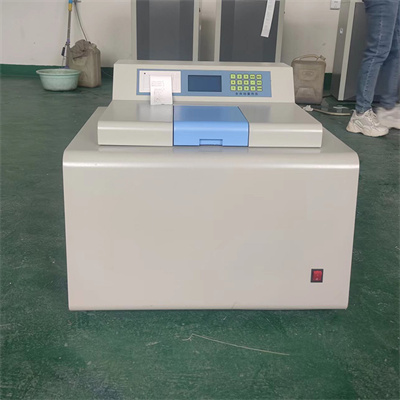 How to read calorimeter data
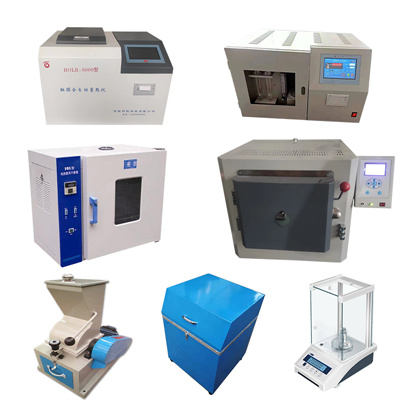 What is the design principle of a calorimeter?
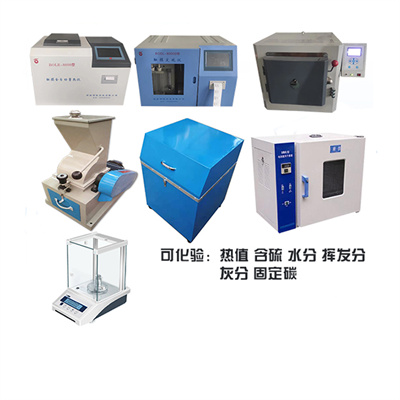 What is the harm of lack of water in the calorimeter?
 What is the input interface of the calorimeter?