Coal testing instruments: key technologies for accurately detecting coal quality
As an important basic energy source in our country, the quality of coal is directly related to combustion efficiency, environmental protection and economic benefits. To accurately evaluate the quality of coal, it is inseparable from the support of coal testing instruments. These professional equipment provide reliable data basis for coal production, trade and use through systematic analysis of coal samples.
Core test indicators and corresponding instruments
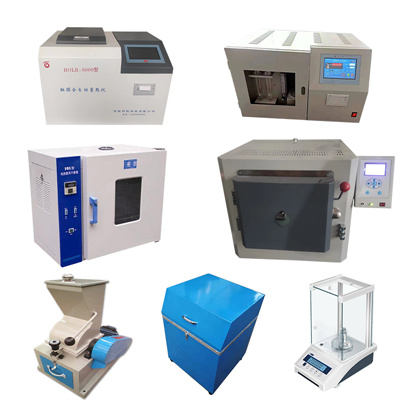
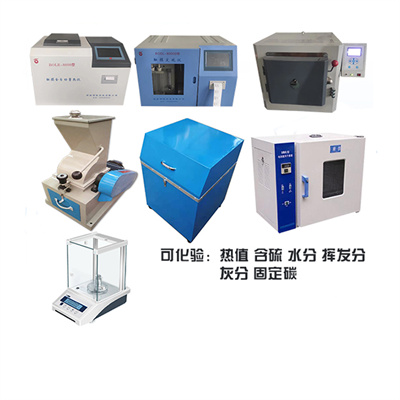
Coal testing mainly focuses on key indicators such as moisture, ash, volatile matter, calorific value, and total sulfur content. Commonly used coal testing instruments include calorimeters, sulfur detectors, muffle furnaces, drying ovens, and electronic balances.
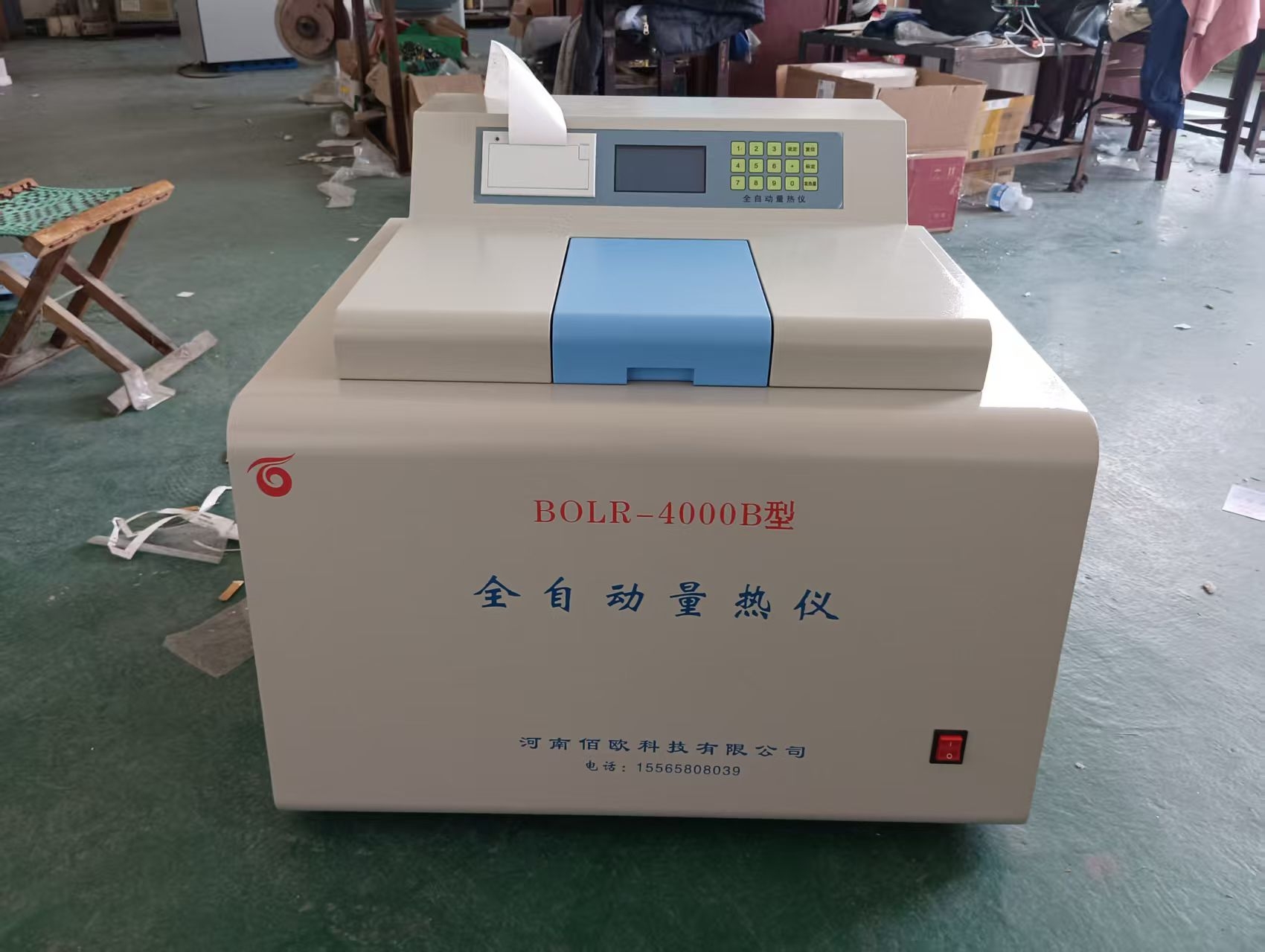
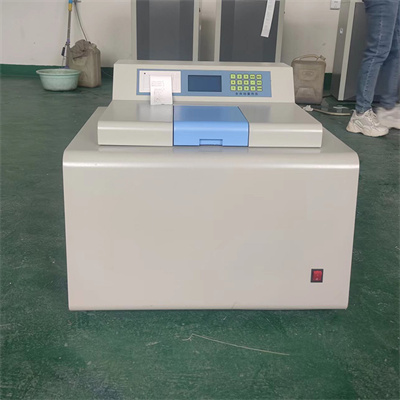
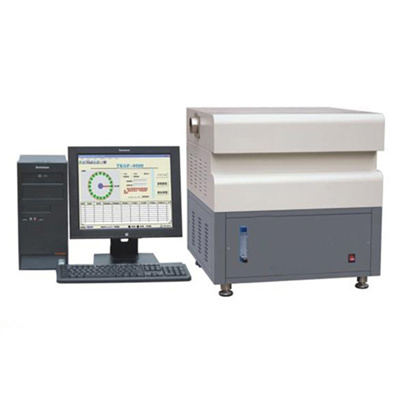
calorimeterIt is used to measure the calorific value of coal and is the core equipment for evaluating the value of coal power energy consumption. Modern calorimeters use oxygen bomb calorimetry to quickly obtain high and low calorific value through automatic temperature control and data collection system.
Sulfur detector(Coulomb sulfur meter) is used to detect the total sulfur content in coal. Sulfur dioxide produced by coal combustion is one of the main sources of air pollution, and accurate determination of sulfur content is crucial to the design of environmentally friendly desulfurization processes.
Muffle furnaceWith the industrial analyzer, the moisture, ash and volatile matter of coal can be measured. These indicators directly affect the ignition characteristics, slagging tendency and processing and utilization of coal.
Technology development trend
The current coal testing instruments are developing in the direction of intelligence and automation. Automatic industrial analyzers can continuously measure moisture, ash and volatile matter of multiple samples at one time, greatly improving the detection efficiency. At the same time, the introduction of Internet of Things technology allows instrument data to be uploaded to the Laboratory Information Management System in real time, reducing manual errors and realizing quality traceability.
Application values and norms
Coal testing requires strict compliance with national standards such as GB/T 212 and GB/T 213. Whether it is coal mining companies controlling product quality, optimizing coal blending plans in the power and metallurgical industries, or port coal quality acceptance, coal testing instruments play an irreplaceable role. Accurate test data can help companies avoid trade disputes, improve combustion efficiency, and reduce pollutant emissions.
Overall, the selection of stable and convenient coal testing instruments and the standardized implementation of the testing process are the cornerstones to ensure the scientific and effective quality control of coal.
 How to read calorimeter data
 What is the design principle of a calorimeter?
 What is the harm of lack of water in the calorimeter?
 What is the input interface of the calorimeter?