There are several types of heat measured by a calorimeter
In the field of thermal measurement, calorimeters are the core instruments for accurately capturing heat changes. The heat they measure is mainly divided into three categories, each of which has clear physical characteristics and application scenarios. Mastering this knowledge can help experiments and production to advance efficiently.
Sensible heat: a visual representation of temperature changes
Sensible heat is the heat absorbed or released by a substance due to a rise or fall in temperature when it does not undergo a phase change. For example, the heat absorbed during the process of heating cold water to boiling and the water temperature rises from 20 ° C to 100 ° C is sensible heat. A calorimeter can accurately calculate the sensible heat value by monitoring temperature changes. This kind of heat is directly related to the specific heat capacity of a substance and is an important measurement object in the temperature control process of industrial production.
Latent heat: the hidden heat of the phase transition process
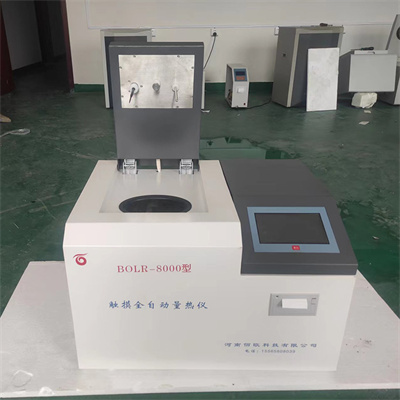
Latent heat is the heat absorbed or released when a substance undergoes a phase change, when the temperature remains unchanged. Latent heat absorbed when water turns into water vapor, and latent heat absorbed when ice melts into water, all belong to the category of latent heat. Calorimeters can capture heat fluctuations during phase changes, providing key data for process design in chemical, refrigeration and other fields, and helping to optimize production processes related to phase changes.
Reaction heat: the release of energy from a chemical reaction
Reaction heat is the heat released or absorbed during a chemical reaction, such as the heat released by fuel combustion and the heat generated by acid-base neutralization. A calorimeter can accurately determine the reaction heat by monitoring the heat difference before and after the reaction in a closed environment, which is crucial for the development of chemical formulas and energy efficiency evaluation. It is an important measurement tool to promote the development of new energy and fine chemicals.
The three types of heat measured by the calorimeter correspond to temperature changes, phase change processes, and chemical reactions respectively, and their characteristics are clearly distinguished, allowing users to use the calorimeter more efficiently, providing a solid data foundation for experimental research and industrial production.
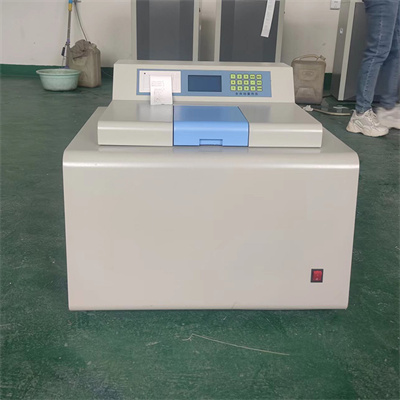 How to read calorimeter data
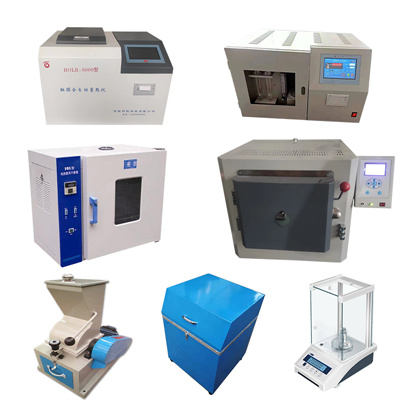 What is the design principle of a calorimeter?
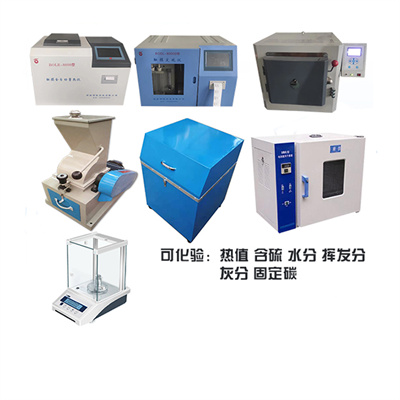 What is the harm of lack of water in the calorimeter?
 What is the input interface of the calorimeter?