Does the calorimeter need to be preheated?
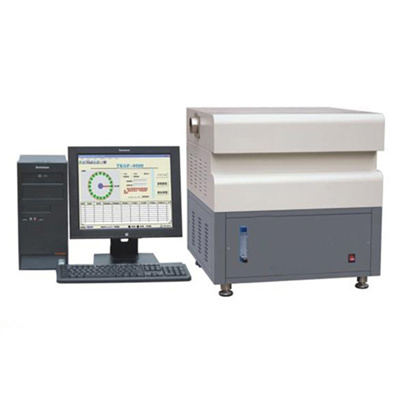
When using a calorimeter to carry out detection work, the preheating process is the core premise to ensure the accuracy of the detection results and must not be omitted. The core function of the calorimeter is to accurately capture heat changes and complete the determination of key data such as sample calorific value and reaction heat. The core components such as the constant temperature system and sensors inside the instrument are in a cold state when they are just started, and the temperature stability is insufficient. If they are directly put into use, it will lead to unbalanced heat transfer and data collection deviation, which will seriously affect the detection accuracy.
Why must the calorimeter be preheated?
The detection accuracy of the calorimeter is highly dependent on a stable temperature environment. When it is just turned on, the temperature of the heating module, temperature measurement sensor and other components of the instrument has not yet reached the set stability threshold. When testing at this time, the heat released by the combustion of the sample cannot be accurately captured, resulting in high and low measured calorific value data, and even the deviation between the detection result and the actual value exceeds the standard range. Only by preheating the internal components of the instrument to reach a stable working temperature can we ensure a stable heat transfer path, sensitive sensor response, and avoid detection errors from the root cause.
Second, how to determine the preheating time of the calorimeter?
Different models and brands of calorimeters have certain differences in the preheating time, usually ranging from 30 minutes to 1 hour. The specific time needs to be strictly followed by the requirements of the instrument manual. Some high-end calorimeters have intelligent preheating function, which can automatically adjust the preheating time according to the ambient temperature to ensure that the instrument quickly enters a stable state. It should be noted that if the instrument has not been used for a long time, or the ambient temperature fluctuates greatly, the preheating time should be appropriately extended to avoid insufficient temperature stability affecting the detection.
III. Key specifications for preheating operation
1. After booting, preheat and then calibrate: After the instrument is turned on, the preheating process needs to be completed first. After the temperature is stable, the calibration operation is carried out. The reference materials used for calibration must meet relevant standards to ensure the reliability of the calibration data.
2. Avoid interference during preheating: During the preheating process, do not open the instrument compartment door at will, touch the instrument parts, and do not place heating or cooling equipment around the instrument to prevent the ambient temperature from interfering with the internal temperature stability of the instrument.
3. After preheating, confirm the status: After the preheating is completed, you can check the temperature parameters through the display panel of the instrument to confirm that the temperature has stabilized within the set range before starting the formal testing work. If the temperature does not meet the standard, you need to continue to extend the preheating time.
IV. Serious consequences of not preheating
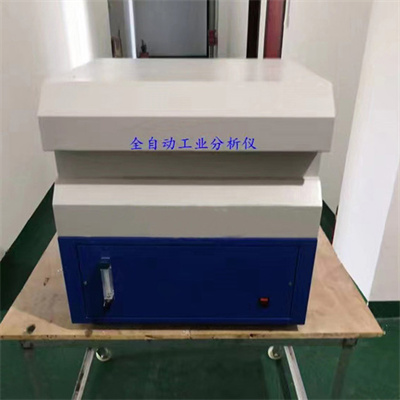
If the calorimeter is used directly by neglecting the preheating process, not only will the detection data be distorted and the true calorific value of the sample cannot be accurately reflected, but also the data deviation may affect the subsequent experimental analysis, production regulation and other work, and may even cause safety hazards due to data errors. Especially in scientific research experiments and industrial production quality inspection scenarios that require extremely high accuracy, errors caused by not preheating may directly lead to experimental failure, product quality substandard, resulting in waste of resources and economic losses.
In summary, the preheating of the calorimeter before use is a necessary operation to ensure accurate detection. The preheating time and operating specifications must be strictly followed in order to give full play to the performance of the instrument and ensure that each test result is true and reliable. Whether it is a novice in the laboratory or a senior operator, the preheating process should be kept in mind as the core specification of the use of the calorimeter, and the scientific and rigorous testing work should be effectively guaranteed.
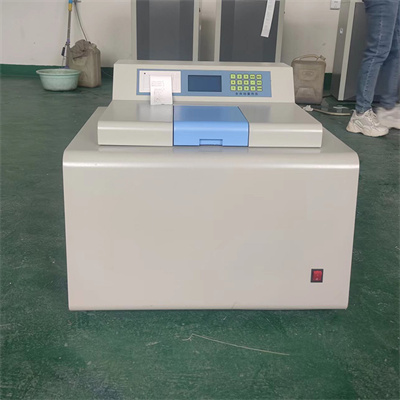 How to read calorimeter data
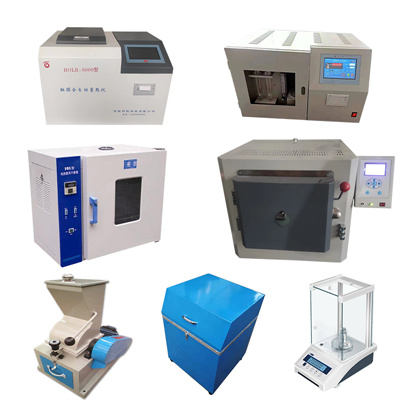 What is the design principle of a calorimeter?
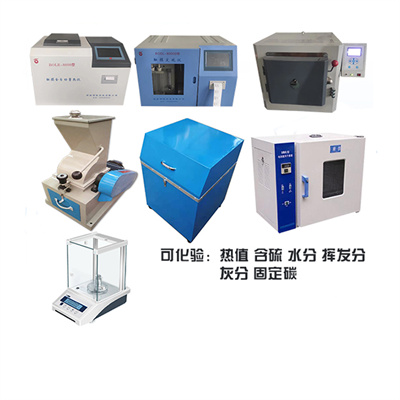 What is the harm of lack of water in the calorimeter?
 What is the input interface of the calorimeter?