Which model of calorimeter is the best?
First, clear requirements are the core prerequisite for selecting the right model
When selecting a calorimeter, the first step is to clarify its core requirements, which is the key to locking in the best model. If it is mainly for the calorific value detection of solid fuels such as coal and coke, it is necessary to focus on the adaptability of the instrument to high combustion calorific value samples; if it is necessary to take into account the detection of liquid fuels or biomass fuels, it is necessary to pay attention to the sample compatibility of the instrument. In addition, the daily detection volume should also be considered. Large-scale testing requires a model with a high degree of automation and high detection efficiency. Small-batch testing can focus on the convenience of operation to avoid subsequent use due to mismatch of requirements.
Second, the mainstream calorimeter model characteristics and application scenarios
1. Constant temperature calorimeter: This type of model has mature technology, relatively low cost, and strong stability. It is suitable for small and medium-sized enterprises with medium-sized requirements for detection accuracy and limited budget. It guarantees detection accuracy by maintaining a constant ambient temperature, which can meet the daily detection needs of conventional solid fuels. The operation process is simple, and beginners can get started quickly.
2. Adiabatic calorimeter: Its core advantage is high detection accuracy, which can effectively isolate the interference of ambient temperature changes on the detection results. It is suitable for scenarios that require extremely high data accuracy, such as scientific research laboratories and third-party authoritative testing institutions. However, this model has a relatively complex structure, high equipment costs and post-maintenance costs, and is suitable for users with sufficient budgets and the pursuit of extreme accuracy.
3. Automatic calorimeter: This is a widely used model at present. It has functions such as automatic ignition, automatic temperature control, automatic calculation and printing results, which greatly improves the detection efficiency and reduces manual operation errors. It is suitable for enterprises with large detection volume and pursuit of efficient detection, such as large energy enterprises and large-scale testing centers. It can adapt to a variety of fuel detection, and is the best choice for both efficiency and accuracy.
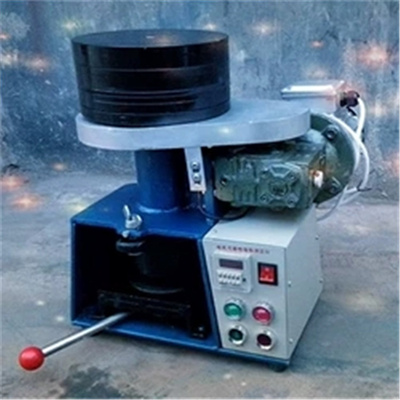
III. Key criteria for selecting the best model
1. Accuracy and stability: Accuracy is the core indicator of a calorimeter. It is necessary to pay attention to the repeatability and reproducibility parameters of the instrument. The detection error of high-quality models should be controlled within the allowable range of the industry, and the long-term use stability should be good to avoid data fluctuations affecting the detection conclusion.
2. Convenience of operation: If the professionalism of the team operators is uneven, the model with a simple operation interface and a high degree of automation is preferred, which can reduce training costs, reduce human operation errors, and improve overall detection efficiency.
3.After-sales services guarantee: Calorimeters are precision instruments, and calibration and maintenance needs may arise later. Selecting a brand that provides perfect after-sales services can ensure that equipment failures are solved in a timely manner without affecting the progress of daily inspection work.
To sum up, there is no absolute "best" calorimeter model, only the model that best suits its own needs. Only by clarifying the detection requirements and combining the comprehensive considerations of accuracy, efficiency and after-sales can the calorimeter that suits its own usage scenarios be accurately selected.
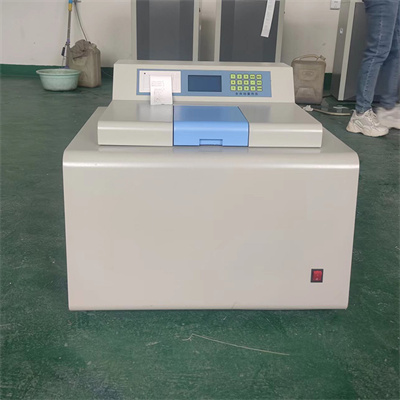 How to read calorimeter data
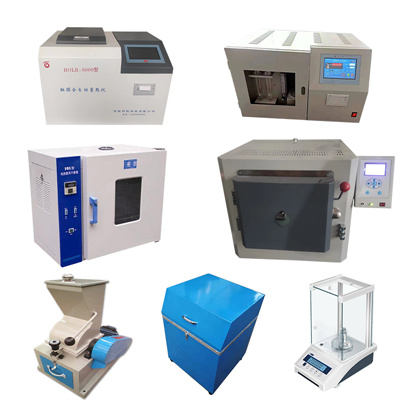 What is the design principle of a calorimeter?
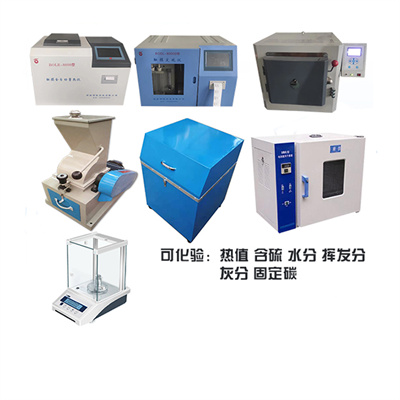 What is the harm of lack of water in the calorimeter?
 What is the input interface of the calorimeter?