The reason why the calorimeter ignites
The core principle of calorimeter ignition
The essence of calorimeter ignition is to use external energy to trigger the ignition device, so that the ignition wire reaches the ignition point, and then ignites the sample in the oxygen bomb. This process relies on stable current conduction. When the ignition wire generates heat due to the current and the temperature rises to the ignition point of combustible materials, the combustion reaction will start, laying the foundation for subsequent heat measurement.
Common Causes of Calorimeter Ignition
1. The circuit system is triggered normally
When the operator starts the ignition program, the instrument circuit will accurately output a low voltage current. When the current passes through the ignition wire, Joule heat is generated. When the heat accumulates to the ignition point of the ignition wire, the ignition is successfully completed. This is the conventional and compliant ignition method of the calorimeter, and it is also the premise of the experiment.
2. Ignition wire material and state adaptation
The material of the ignition wire directly determines the ignition point. The commonly used nickel-chromium alloy wire has a stable ignition point and can be adapted to most experimental scenarios. If the ignition wire is not broken or oxidized and is in close contact with the electrode, it can ensure stable current conduction and smooth ignition.
3. Oxygen bomb environment meets combustion conditions
The oxygen bomb is filled with enough oxygen to provide sufficient fuel for the sample to burn. When the ignition wire ignites the sample, sufficient oxygen can ensure the continuous and sufficient combustion reaction, which is also the key environmental condition for successful ignition.
Potential Causes of Calorimeter Ignition Failure
1. Poor circuit contact
If the connection between the ignition wire and the electrode is loose, or the circuit interface is oxidized, the current conduction will be blocked, and the ignition wire will not be able to obtain enough heat, resulting in ignition failure. This is one of the most common causes of ignition failure.
2. Ignition wire aging or damage
The ignition wire used for a long time is prone to oxidation and fracture, and its ignition point will rise. Even if there is a current flowing through, it is difficult to reach the combustion temperature, resulting in the ignition not being completed smoothly. Therefore, a new ignition wire needs to be replaced in time.
3. Inadequate sealing of oxygen bombs
Oxygen bomb seal is not tight will lead to oxygen leakage, internal oxygen concentration is not up to standard, even if the ignition wire successfully ignited the sample, but also due to lack of oxygen will cause combustion interruption, affecting the ignition effect and experimental accuracy.
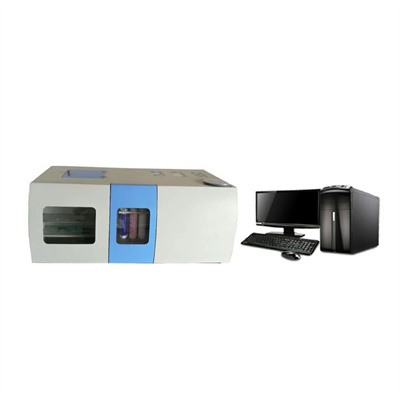
The key points to ensure the smooth ignition of the calorimeter
Before operation, check whether the circuit connection is stable and clean the electrode oxide layer; replace the aging ignition wire regularly to ensure its good condition; strictly check the sealing of the oxygen bomb before the experiment to ensure sufficient internal oxygen. Following these points can effectively reduce ignition failures and ensure the stable operation of the calorimeter ignition.
 How to read calorimeter data
 What is the design principle of a calorimeter?
 What is the harm of lack of water in the calorimeter?
 What is the input interface of the calorimeter?