Does the calorimeter radiate?
The basic working principle of a calorimeter
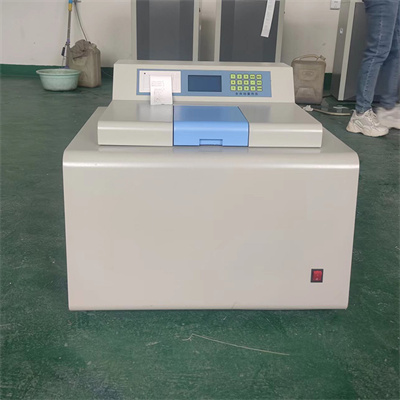
A calorimeter is an instrument used to accurately measure the heat change of a substance during physical or chemical changes. It is widely used in energy, chemical industry, scientific research and other fields. It mainly measures the reaction heat through heat transfer and temperature change. The core components include heating devices, temperature sensors, control systems, etc. In the working process, the calorimeter relies on electric energy to drive and realizes precise control and transfer of heat through heating elements. The whole process conducts heat exchange through heat conduction, heat radiation, etc. Heat radiation here is a ubiquitous form of energy transfer in nature, which is essentially different from nuclear radiation.
Is there ionizing radiation in the calorimeter?
Clear answer: Conventional laboratory and industrial calorimeters do not produce ionizing radiation. Ionizing radiation usually comes from the decay of radioactive materials or bombardment of high-energy particles, such as X-rays, nuclear radiation, etc., which are potentially harmful to the human body. The working principle of the calorimeter is based on thermodynamic principles. Its energy source is stable electrical energy. The generated heat belongs to the category of non-ionizing radiation. The energy level is low and will not cause damage to the molecular structure of human cells. In normal use scenarios, the heat released by the calorimeter is only used to maintain the reaction environment temperature. There is no radioactive material and no need to use radioactive isotopes, so there is no risk of ionizing radiation.
Non-ionizing radiation in a calorimeter
The calorimeter generates a small amount of non-ionizing radiation during operation, such as thermal radiation and weak electromagnetic radiation. Thermal radiation is the energy emitted by an object due to temperature. Just like the warm radiation of the sun, the thermal radiation intensity of the calorimeter is much lower than the natural heat source that the human body comes into contact with every day, and it decays rapidly as the distance increases. As long as the normal operating distance is maintained, there is no need to worry at all. As for electromagnetic radiation, the electronic components of the calorimeter generate a weak electromagnetic field during operation, but its intensity meets the relevant national safety standards, which is comparable to the electromagnetic radiation level of common electronic equipment such as mobile phones and computers. And the instrument shell usually has a good shielding design, which further reduces the leakage of electromagnetic radiation and will not affect human health.
Specification for safe use of calorimeters
Although the calorimeter does not pose a radiation hazard, it is still necessary to follow the standard operation to ensure safety. First, the operator should have professional training and be familiar with the operation process of the instrument to avoid accidents such as burns and electric shock caused by improper operation. Secondly, the instrument needs to be placed in a well-ventilated environment away from flammable and explosive materials to prevent heat accumulation from causing fires. At the same time, the instrument should be maintained and calibrated regularly to ensure the normal operation of various components and avoid safety hazards caused by equipment failure. In addition, wear protective gloves, goggles and other protective equipment in strict accordance with the instructions, and maintain a safe distance during the operation of the instrument. After the instrument cools down, follow-up operations will be carried out.
Summary: Calorimeter radiation is nothing to worry about
In summary, under normal working conditions, the calorimeter does not produce ionizing radiation, and the non-ionizing radiation it generates is also within the safe range, which fully complies with the relevant national safety standards. As long as the standardized operation procedures are followed and basic safety protection is done well, the use of the calorimeter is safe and reliable. For customers, there is no need to worry too much about the radiation problem of the calorimeter, and they can be used in various heat measurement scenarios with confidence, focusing on experimental and production work.
 How to read calorimeter data
 What is the design principle of a calorimeter?
 What is the harm of lack of water in the calorimeter?
 What is the input interface of the calorimeter?