How to discharge water from a coal calorimeter
In the coal detection work, the accurate operation of the coal calorimeter is inseparable from the standardized water discharge operation, and mastering the correct water discharge method is the key to ensuring the accuracy of the test results. The following is a detailed introduction to the water discharge steps of the coal calorimeter, which are simple and easy to understand.
The first step is to make early preparations
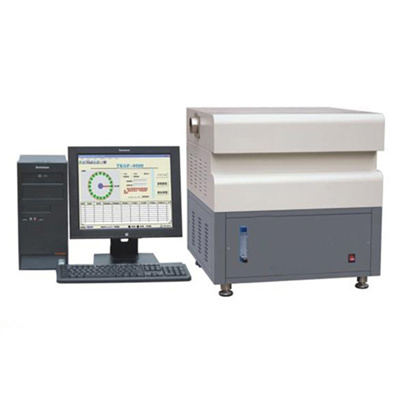
Before releasing water, be sure to turn off the power supply of the calorimeter to avoid the risk of electric shock during operation and ensure personal safety. At the same time, prepare a clean rag, a special measuring cup, and distilled water that meets the requirements to ensure that the water source is pure and avoid impurities affecting the performance of the instrument. In addition, carefully check the water level observation window, water discharge valve and other components of the calorimeter to confirm that there is no blockage or damage, and lay a good foundation for subsequent operation.
Step 2: Find the water release location
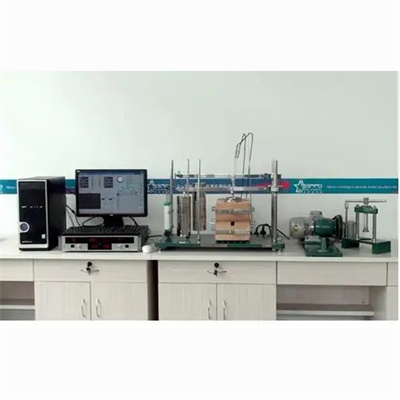
The drain valve of a coal calorimeter is usually located at the bottom or side of the instrument. The position of different models of instruments varies slightly. Before operation, you need to check the instruction manual of the instrument to accurately locate the drain valve. The drain valve of some instruments is marked, which can be quickly identified. If there is no clear logo, you can find the drain interface connected to the water tank by observing the structure of the instrument to avoid misoperation and damage to the instrument.
Step 3: Standardize the execution of water discharge operations
Slowly open the water discharge valve, pay attention to control the water flow speed, avoid the water flow too rapid splashing, pollution of the instrument and the surrounding environment. During the water discharge process, pay close attention to the water level drop. When the water level drops to the lowest scale line of the observation window, immediately close the water discharge valve to prevent the water tank from being short of water and affecting the normal operation of the instrument. If you need to completely empty the water tank, you can gently shake the instrument after the water flow basically stops to assist in discharging residual water, but the operation force should be moderate to avoid damage to the internal parts of the instrument.
Step 4: Do the follow-up work well
After the water discharge is completed, wipe the residual moisture on the surface of the instrument with a clean rag to keep the instrument dry and tidy. At the same time, properly store the used measuring cup, rag and other tools, and check whether the water discharge valve is closed tightly to prevent water leakage. If the instrument is not used for a long time, it is recommended to check the water level of the water tank regularly to ensure that the instrument is in good condition when it is used next time.
It is necessary to pay special attention to the fact that it is strictly forbidden to disassemble the instrument parts at will during the drainage process. If you encounter abnormal conditions such as valve blockage or water leakage, do not deal with them blindly. You should promptly contact professional technicians for maintenance to avoid irreversible damage to the instrument.
Mastering the water release skills of the coal calorimeter can not only prolong the service life of the instrument, but also ensure the accuracy of the coal detection results. By following the above steps, the water release work can be easily completed and a solid foundation can be laid for the coal detection work.
 How to read calorimeter data
 What is the design principle of a calorimeter?
 What is the harm of lack of water in the calorimeter?
 What is the input interface of the calorimeter?