What are the faults of the calorimeter?
As a key device for accurately measuring heat, calorimeters are widely used in energy, chemical and other fields. However, failures are inevitable during equipment operation, and understanding common fault types and solutions is essential to ensure experimental accuracy and equipment stability.
Abnormal temperature control
Temperature is the core parameter of a calorimeter, and abnormal temperature control is one of the common faults. If the temperature fluctuates too much, it may be that the components of the temperature control system are aging, such as heating wires and temperature sensors. At this time, it is necessary to check the connection of the components and replace the damaged parts if necessary. In addition, poor heat dissipation can also lead to temperature runaway. Make sure that the instrument vents are open and clean the dust regularly.
Ignition failed
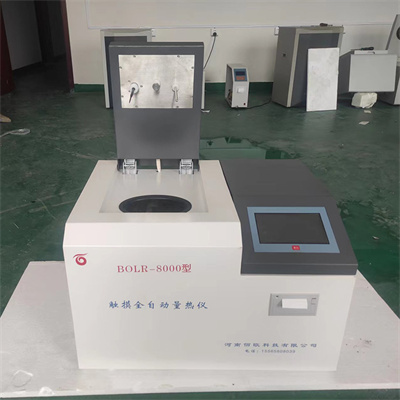
Ignition failure can affect the experimental process for a variety of reasons. Improper distance between the ignition electrodes, oxidation or carbon deposits on the electrode surface can make ignition difficult. The electrode spacing can be adjusted, and the electrodes can be sanded to remove carbon deposits. In addition, poor contact of the ignition circuit and insufficient ignition voltage can also lead to ignition failure. It is necessary to check the line connection to ensure voltage stability.
Measurement data is inaccurate
There is a large deviation in the measurement data, which may be due to inaccurate weighing of the sample and incomplete combustion. When weighing the sample, use a high-precision balance and operate strictly according to the operating specifications. If the combustion is incomplete, it is necessary to check whether the oxygen supply is sufficient and whether the sample is fully burned. At the same time, improper calibration of the instrument will also affect the accuracy of the data, and the instrument should be calibrated regularly.
Mixing system failure
The mixing system ensures that the sample is heated evenly. If the stirring motor does not rotate or the stirring is uneven, the motor may be damaged and the stirring paddle may be stuck. Check the motor circuit, repair or replace the damaged motor; clean the foreign matter around the stirring paddle to ensure the flexible operation of the stirring paddle.
Master the common faults and solutions of the calorimeter, and can troubleshoot in time to ensure the smooth progress of the experiment. In daily use, do a good job of equipment maintenance and maintenance, which can effectively reduce the failure rate.
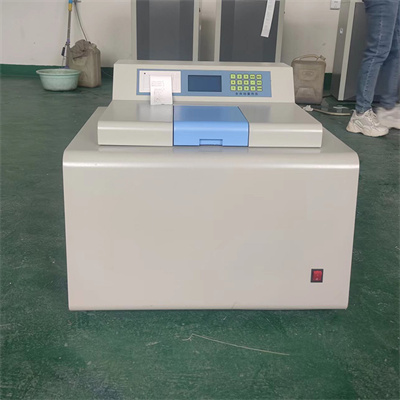 How to read calorimeter data
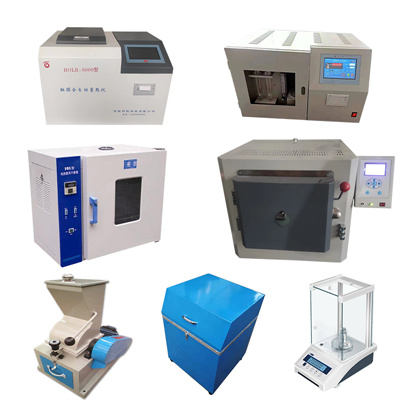 What is the design principle of a calorimeter?
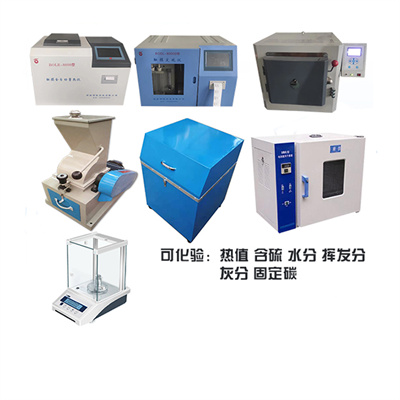 What is the harm of lack of water in the calorimeter?
 What is the input interface of the calorimeter?