How to fill a coal calorimeter with water
First, preparations before water injection
Before filling the coal calorimeter with water, it is necessary to make basic preparations. First of all, make sure that the calorimeter is in a stable state and placed on a horizontal and vibration-free working table to avoid affecting the water injection accuracy due to the shaking of the instrument. At the same time, prepare pure water or distilled water that meets the requirements. It is strictly forbidden to use tap water. Impurities in tap water are easy to block the pipeline and affect the test results. In addition, check whether the water injection pipeline is in good condition, whether it is damaged or blocked. If there is any problem, it needs to be replaced or dredged in time to lay a solid foundation for subsequent water injection operations.
Second, clarify the water injection location and water level standards
The water injection position of the coal calorimeter is usually clearly marked, usually located at the water injection port on the top of the instrument. Some models will have a special water injection interface on the side of the fuselage. Before operation, you need to carefully read the instrument manual to accurately locate the water injection port. Regarding the water level, it needs to be strictly controlled within the specified range. Most calorimeters are equipped with a water level scale. When filling water, the water level needs to be added to the middle position of the scale line, neither lower than the lowest scale to prevent dry burning damage of the heating element; nor higher than the highest scale to avoid water injection overflow affecting the normal operation of the instrument. Accurate water level is a key prerequisite to ensure the accuracy of detection.
III. Standardized water injection operation steps
1. Open the lid of the water injection port and slowly pour the prepared purified water into the water injection port. When pouring the water, the speed should be uniform to avoid water splashing or bubbles caused by excessive water flow. Bubbles will affect the water level judgment and subsequent detection accuracy.
2. During the water injection process, always observe the water level scale. When the water level approaches the specified scale line, slow down the water injection speed and use a dropper or a small flow container to add it until the water level accurately reaches the standard scale.
3. After the water injection is completed, close the lid of the water injection port tightly to prevent water evaporation, and check whether there is any leakage around the water injection port. If there is any leakage, re-tighten the lid or replace the sealing ring to ensure good sealing of the instrument.
IV. Inspection and precautions after water injection
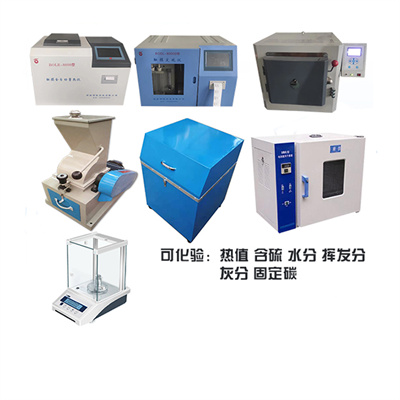
After the water injection is completed, a simple inspection is required. Turn on the power supply of the calorimeter and observe whether the water level display is normal. Some instruments will automatically detect the water level. If there is an abnormal water level alarm, the water level needs to be readjusted. In addition, it is necessary to let stand for 5-10 minutes after the water injection to allow the bubbles in the water to fully dissipate and avoid the bubbles affecting the temperature conduction during the detection process. At the same time, the water injection port should be cleaned regularly to prevent dust and impurities from entering and affecting the smoothness of the water injection. Before each test, the water level needs to be reviewed to ensure that the water level always meets the standards and provides stable conditions for coal heat detection.
Mastering the correct water injection method of the coal calorimeter can not only prolong the service life of the instrument, but also ensure the accuracy of the coal heat detection data, and help the coal detection work to be carried out efficiently and standardized. It is recommended that operators strictly follow the above steps and develop standardized operating habits.
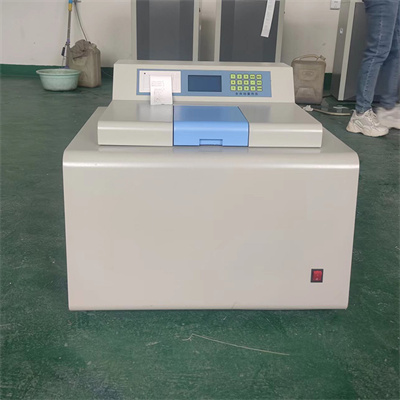 How to read calorimeter data
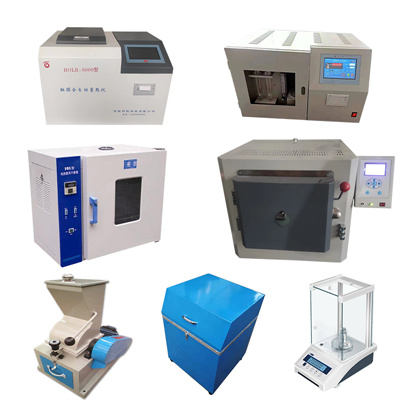 What is the design principle of a calorimeter?
What is the harm of lack of water in the calorimeter?
What is the design principle of a calorimeter?
What is the harm of lack of water in the calorimeter?
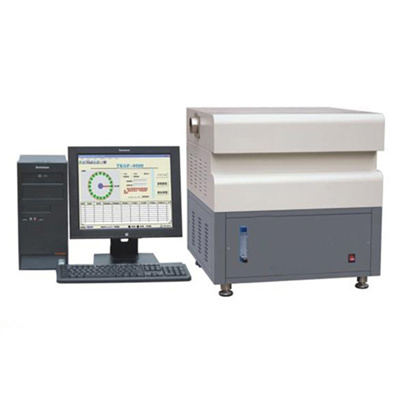 What is the input interface of the calorimeter?