Which one is the calorimeter of the brick factory looking for?
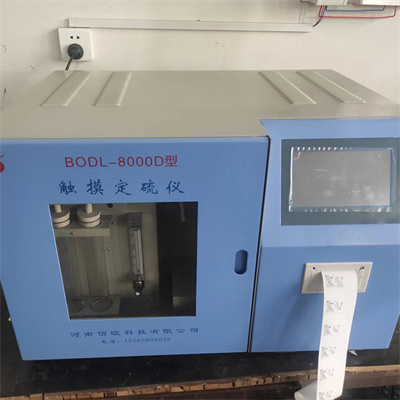
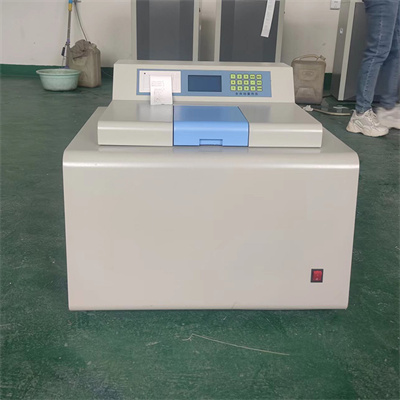
For brick factories, calorimeters are the core testing equipment for controlling the calorific value of fuels and ensuring production energy consumption. Choosing the right manufacturer is directly related to the accuracy of production data and operational stability. Many people in charge of brick factories are faced with the problem of "which brick factory calorimeter to find". In fact, mastering the core points can quickly identify reliable partners.
Core 1: Priority is given to equipment accuracy and stability
Brick factory fuel is mostly coal, biomass, etc., calorific value fluctuations, insufficient accuracy of the calorimeter will lead to data deviation, directly affecting the ratio decision. High-quality manufacturers of calorimeters, heat capacity stability needs to be controlled within ± 0.2%, and can adapt to the working environment of brick factory dust and large temperature difference, long-term operation data without drift. When purchasing, you can ask the manufacturer to provide equipment calibration reports and environmental adaptability test data to avoid selecting products with substandard accuracy.
Core 2: Verify the manufacturer's qualifications and industry experience
Regular calorimeter manufacturers need to have a production license for measuring instruments and have a wealth of brick factory service cases. Manufacturers with many years of experience in brick factory service understand the pain points of brick factory fuel detection better, and can optimize the functions of the equipment in a targeted manner, such as simplifying the operation process and strengthening the anti-interference design. It is recommended to give priority to manufacturers who have served brick factories of the same scale. They can request customer cases and contact cooperative customers to verify the effect of equipment use if necessary.
Core 3: Focus on after-sales guarantee and technical support
Calorimeters are precision instruments, and problems such as calibration and failure will inevitably occur during use. The manufacturer's after-sales response speed and technical support capabilities are crucial. Reliable manufacturers will provide 24-hour technical consultation, on-site maintenance within 48 hours, and can provide free calibration training. Before signing the contract, be sure to clarify the after-sales terms, including maintenance cycle, parts supply, training times, etc., to avoid affecting production due to lack of after-sales service in the later stage.
Core 4: Compare cost performance and reject low-price traps
Some manufacturers attract customers with low prices, but the equipment materials and core components may cut corners, the later failure rate is high, and the maintenance cost far exceeds the equipment price difference. Although the price of high-quality calorimeters is slightly higher, they use imported sensors and wear-resistant materials, and the service life can reach 5-8 years, and the comprehensive cost performance is higher. It is recommended to compare 3-5 manufacturers, combined with the comprehensive evaluation of equipment configuration and after-sales cost, and not blindly pursue low prices.
In summary, the selection of a calorimeter in a brick factory needs to be comprehensively considered from four dimensions: accuracy and stability, manufacturer qualification, after-sales guarantee, and cost performance. It is recommended to visit the manufacturer's production workshop, test the performance of the equipment on site, and make a final decision based on your own needs in order to choose a high-quality calorimeter that is truly suitable for the brick factory.
 How to read calorimeter data
 What is the design principle of a calorimeter?
 What is the harm of lack of water in the calorimeter?
 What is the input interface of the calorimeter?