Is the scanning calorimeter accurate?
In the field of material thermal analysis, the scanning calorimeter is a key testing device, and its accuracy is directly related to the credibility of the experimental results. So, is the scanning calorimeter accurate? This requires in-depth analysis from multiple dimensions.
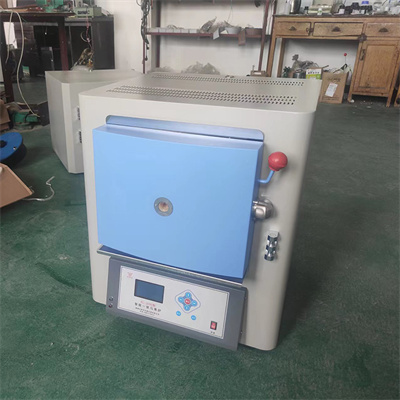
Core principles lay an accurate foundation
The scanning calorimeter is based on differential scanning calorimetry, which precisely controls the temperature difference between the sample and the reference object to measure the heat flow change of the sample in real time under the program temperature control. Its core lies in the high-sensitivity heat flow sensor, which can accurately capture small thermal effects and lay a solid foundation for accurate measurement. The scientific principle guarantees the instrument's potential for accurate measurement from the source.
Error sources affect accuracy
However, the accuracy of a scanning calorimeter is not absolute and can be affected by a variety of factors. Instrument calibration deviation is a common source of error. If the calibration reference material is inaccurate or the calibration process is not standardized, the overall measurement result will be offset. Improper sample preparation cannot be ignored. Too much or too little sample volume, uneven particle size, and not tightly packed can change the heat transfer characteristics and interfere with the heat flow measurement. In addition, ambient temperature fluctuations and unreasonable heating rate settings will also introduce additional errors and reduce the measurement accuracy.
Key measures to improve accuracy
In order to ensure the accuracy of the scanning calorimeter, targeted measures need to be taken. Regularly calibrate the instrument, select authoritative reference materials, and strictly follow the calibration process to ensure that the instrument is in the best condition. Standardize sample preparation, control sample volume, optimize granularity and filling method according to test requirements. At the same time, control the experimental environment to be stable, set the heating rate reasonably, and reduce the interference of external factors.
Practical application scenarios verify reliability
In practical applications, scanning calorimeters are widely used in materials phase change research, drug stability analysis, polymer material performance evaluation and other fields with excellent accuracy. As long as the operation process is strictly controlled and error prevention and control is done well, scanning calorimeters can provide accurate and reliable measurement data, providing strong support for scientific research and production.
In summary, the scanning calorimeter itself has the ability to accurately measure, but the accuracy is affected by many factors. Through scientific principle control, accurate error prevention and control, and standardized operation, it can give full play to its advantages to ensure accurate and reliable measurement results.
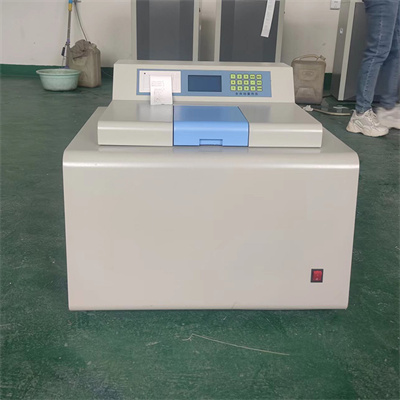 How to read calorimeter data
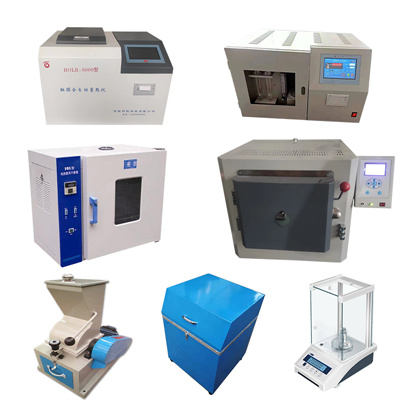 What is the design principle of a calorimeter?
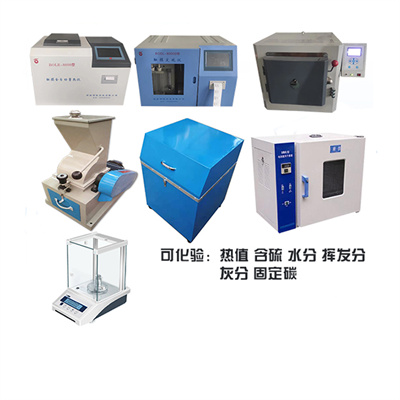 What is the harm of lack of water in the calorimeter?
 What is the input interface of the calorimeter?