How much is the price of the whole set of calorimeters?
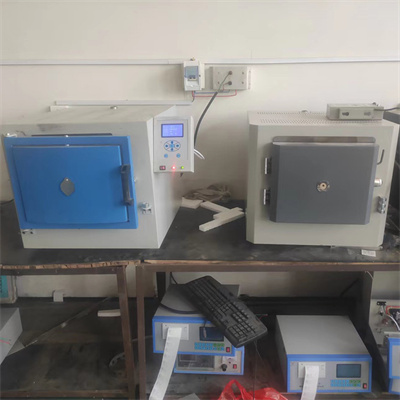
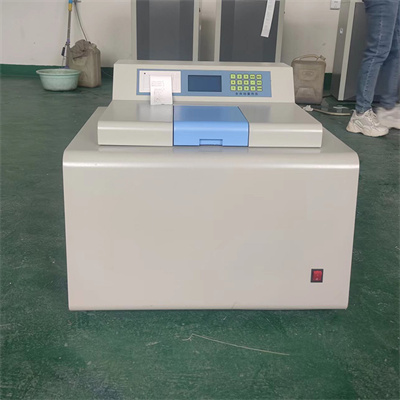
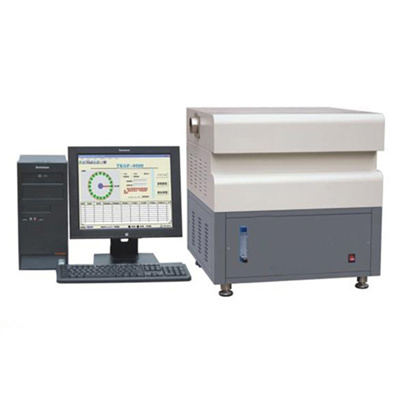
In scientific research experiments, energy testing, and many other fields, a complete set of calorimeters plays a key role, and its price is the focus of many purchasers.
There are many core factors that affect the price of a complete set of calorimeters. In terms of brands, internationally renowned brands rely on deep technical accumulation and excellent quality control, and their prices are often higher. Like some imported high-end calorimeters, due to large R & D investment and exquisite craftsmanship, the price of a single set can reach hundreds of thousands of yuan; domestic high-quality brands are both cost-effective, with prices ranging from tens of thousands to hundreds of thousands of yuan, which can meet most routine testing needs.
The difference in configuration also has a significant impact on the price. High-end configurations such as high-precision sensors, highly automated operating systems, and large-capacity sample processing modules will greatly increase the cost of equipment, and accordingly, the price of the whole set of calorimeters will also rise. The basic configuration of calorimeters is relatively affordable, suitable for scenarios with limited budgets and simple detection requirements.
In addition, the market supply and demand relationship and after-sales services are also key price considerations. When market demand is strong, prices may rise slightly; while perfect after-sales services, such as long-term quality assurance, timely maintenance response, etc., will increase the upfront procurement cost, but can escort subsequent use and be more valuable in the long run.
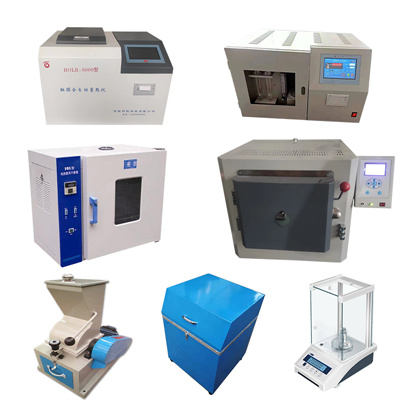
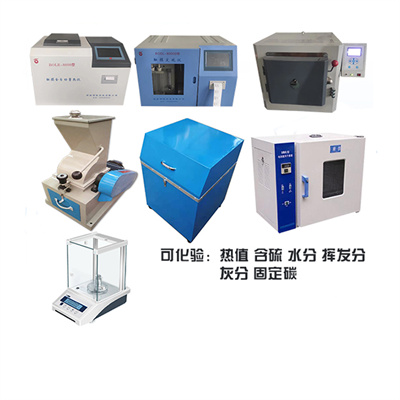
Overall, the price range of a complete set of calorimeters is relatively large, ranging from tens of thousands to hundreds of thousands of yuan. When purchasing, you need to consider your own testing needs and budget, and comprehensively weigh the brand, configuration and after-sales service in order to choose the right cost-effective equipment, accurately control the procurement cost, and build a solid foundation for scientific research and testing.
 How to read calorimeter data
 What is the design principle of a calorimeter?
 What is the harm of lack of water in the calorimeter?
 What is the input interface of the calorimeter?