Which model of calorimeter is better?
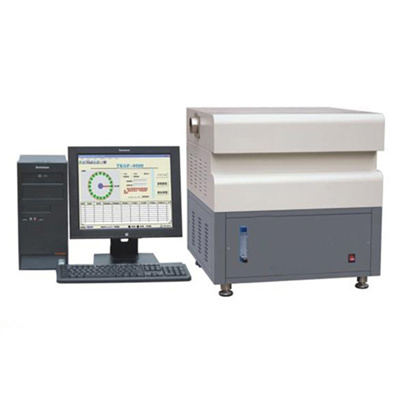
In scenarios such as laboratory testing and energy analysis, a calorimeter is the core equipment for measuring the calorific value of a substance, and choosing the right model is directly related to the detection efficiency and result accuracy. To accurately determine which model of a calorimeter is good, you need to consider it comprehensively from key dimensions such as core performance and applicable scenarios according to your own needs.
Clarify core requirements and anchor the selection direction
The requirements for calorimeters vary significantly in different use scenarios. If it is used for heat generation detection of conventional energy sources such as coal and biomass fuels, it is necessary to prioritize the model that is suitable for solid samples and meets the detection accuracy standards. In such scenarios, the repeatability and stability of the equipment are more important to ensure that the data error is controlled within the scope of national standards. If it involves the determination of trace calorific value of chemical raw materials and new materials, it is necessary to choose a model with higher sensitivity and micro detection capabilities. This type of equipment can capture subtle heat changes and adapt to the detection requirements of complex samples.
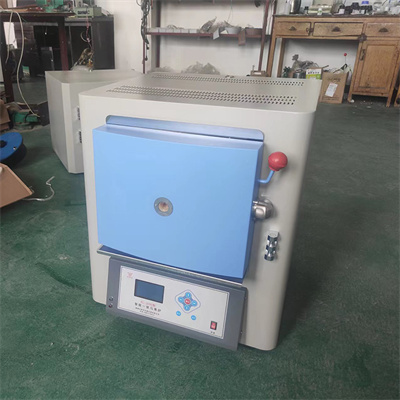
Focusing on core performance and selecting high-quality models
When purchasing a calorimeter, the core performance parameters are the key screening criteria. Accuracy and repeatability are the core indicators. The calorific value measurement error of high-quality models should be less than or equal to 0.2%. The deviation of repeated measurement results needs to be controlled within a very small range to ensure the reliability of the detection data. The detection efficiency cannot be ignored. Some models have automatic constant temperature, automatic ignition, and automatic data processing functions, which can greatly shorten the detection cycle. It is especially suitable for laboratories with batch sample testing, which can effectively improve work efficiency. In addition, the ease of operation is equally important. Models with high intelligence are equipped with touch screens and visual operation interfaces, allowing beginners to get started quickly and reduce the operation error rate.
Adapt scene recommendation to accurately match requirements
For different use scenarios, we recommend suitable high-quality models. For conventional energy testing in small and medium-sized laboratories, we can focus on models with basic automatic functions and outstanding cost performance. This type of equipment takes into account cost and performance and can meet daily testing needs. For large testing institutions or enterprises, we need to choose high-end models with multi-sample batch testing and data networking export functions. This type of equipment can connect with the laboratory management system to achieve efficient data integration and adapt to high-intensity and large-scale testing work. If special sample testing is involved, we need to choose a special model with customized testing procedures and high sensitivity to ensure that the testing needs of special samples are met.
To sum up, there is no absolute "optimal model" for a calorimeter, only a "suitable model" that fits its own needs. When purchasing, closely follow the core requirements, focus on core indicators such as accuracy, efficiency, and ease of operation, and combine actual use scenarios to screen, you can choose a calorimeter with reliable performance and high adaptability, providing strong support for testing work.
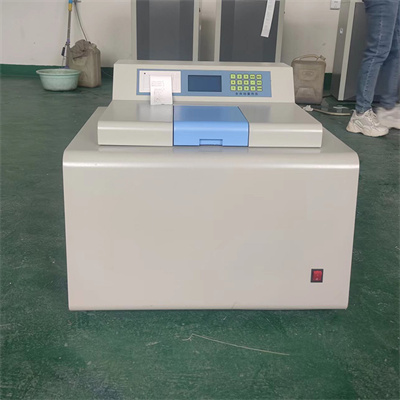 How to read calorimeter data
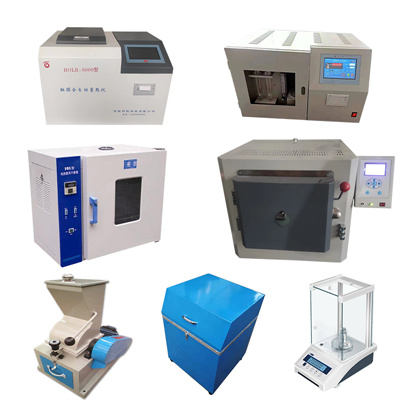 What is the design principle of a calorimeter?
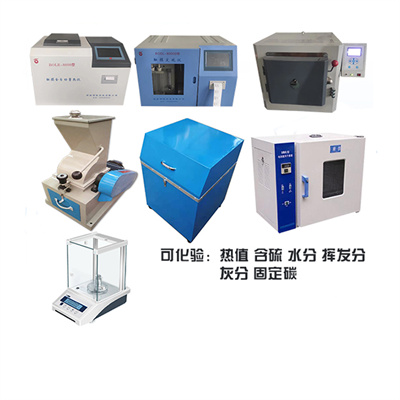 What is the harm of lack of water in the calorimeter?
 What is the input interface of the calorimeter?