How to deal with water leakage in calorimeter
The calorimeter is a key equipment for accurately detecting heat. Once there is a water leakage problem, it will not only affect the accuracy of the detection data, but also may damage the core components of the instrument. Master the scientific treatment method to quickly restore the normal operation of the equipment.
The first step: pinpoint the cause of the leak
Before dealing with water leakage, it is necessary to identify the root cause of the problem. There are three common reasons for water leakage: first, the seal is aging, and the sealing ring of the calorimeter will lose its elasticity after long-term use, resulting in water seeping from the interface gap; second, the pipeline connection is loose, and the vibration of the instrument during operation may cause the pipeline joint nut to loosen, causing water leakage; third, the container is damaged. If there are subtle cracks in the sample container or water storage container of the calorimeter, it will also cause water leakage. When investigating, first observe the location of water leakage, and then check the status of the seal, pipeline and container one by one.
Step 2: Targeted solution to the problem of water leakage
Different reasons correspond to different solutions, and detailed specifications are required during operation.
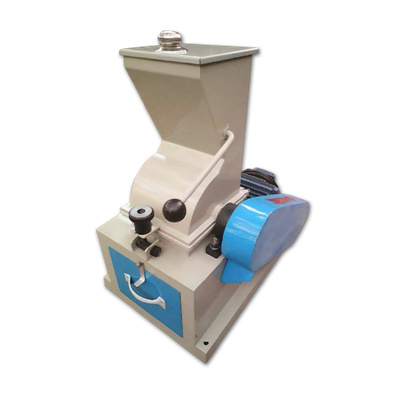
Replace the aging seals: If it is determined that the seals are aging, first turn off the power supply of the instrument, empty the remaining liquid inside, find the corresponding seals, gently remove them with special tools, and replace the new seals of the same type. Make sure that the seals are embedded smoothly during installation to avoid skew.
Tighten the pipeline connection: For the loosening of the pipeline and water leakage, first close the valve related to the instrument, and gently tighten the loose joint nut with a wrench. Pay attention to moderate strength. If it is too tight, it may damage the pipeline interface, and if it is too loose, it cannot completely solve the leakage.
Repair or replace damaged containers: If there are cracks in the container, small cracks can be repaired with special sealant, and then used after the glue is fully cured; if the cracks are large or the container has been seriously damaged, it is necessary to replace the new container in time to avoid water leakage.
Step 3: Post-treatment testing and daily prevention
After dealing with the water leakage problem, it needs to be tested. Inject an appropriate amount of water into the instrument, turn on the equipment to operate, observe whether there is any water leakage, and check whether the equipment data is stable. After confirming that it is correct, it can be used normally.
In order to reduce the occurrence of water leakage problems, daily maintenance is required: regularly check the status of seals and replace aging parts in a timely manner; check whether the pipeline connection is firm before each use; avoid container collisions and prolong the service life of the equipment.
By mastering these methods, we can effectively deal with the problem of water leakage in the calorimeter, ensure the stable operation of the equipment, and lay a solid foundation for the detection work.
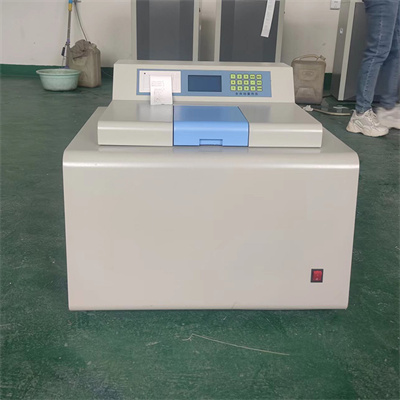 How to read calorimeter data
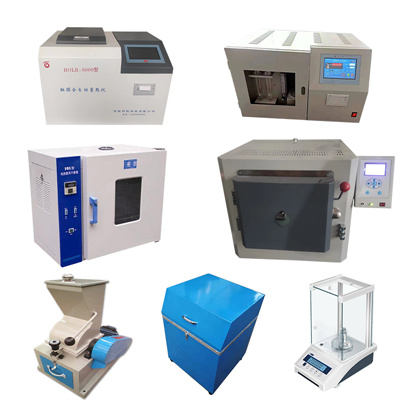 What is the design principle of a calorimeter?
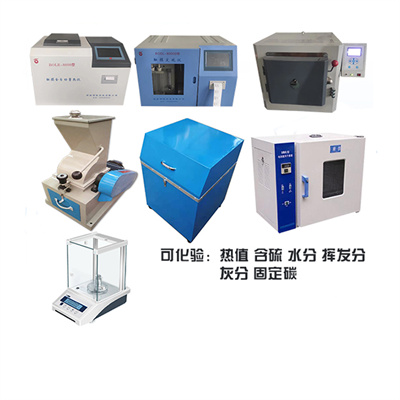 What is the harm of lack of water in the calorimeter?
 What is the input interface of the calorimeter?