How to test coal with a calorimeter
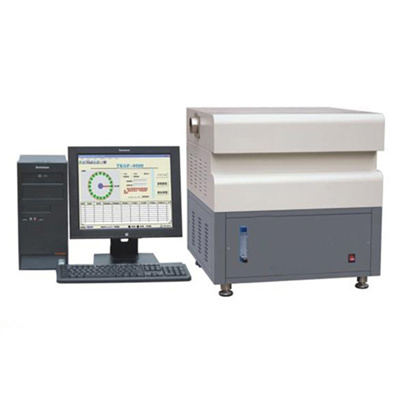
The calorimeter is a key means to accurately determine the calorific value of coal, and is widely used in coal quality inspection, energy utilization and other fields. The following is a detailed introduction to the standard process of the calorimeter for coal inspection.
Instrument preparation: ensuring the basics of accuracy
Before the coal test, the calorimeter needs to be fully inspected and calibrated. Check whether the components of the instrument are in good condition, whether the oxygen bomb leaks, and whether the electrode contact is good. Use standard benzoic acid to calibrate the heat capacity of the instrument to ensure the accuracy of the instrument measurement and lay a solid foundation for subsequent testing.
Sample processing: rigorous and meticulous operation
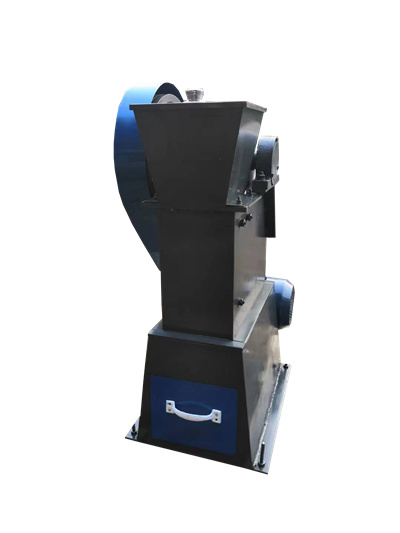
Collect representative coal samples and grind them to the specified particle size, usually through a 0.2mm square hole sieve. Accurately weigh an appropriate amount of coal sample, usually about 1g, accurate to 0.0002g. Put the weighed coal sample into a burning dish to ensure that the coal sample is evenly laid to avoid incomplete combustion.
Oxygen Bomb Assembly: Key to Safety
Put the burning dish with the coal sample on the oxygen bomb holder and install the ignition wire to make it in good contact with the coal sample. Fill the oxygen bomb with enough oxygen, and the pressure is controlled at 2.8-3.0MPa for more than 15 seconds to ensure that the coal sample can be fully burned. After assembly, check the sealing of the oxygen bomb to prevent oxygen leakage.
Instrument testing: standard operating procedures
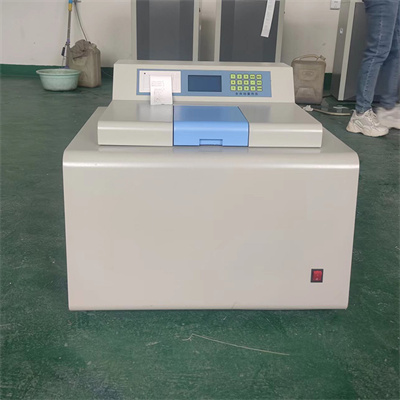
Put the oxygen bomb into the inner cylinder of the calorimeter, connect the ignition electrode, and close the outer cover of the instrument. Start the test program according to the operating procedures of the instrument. During the test, closely observe the operating status of the instrument and record the temperature change. When the test is over, the instrument automatically calculates the calorific value of the coal.
Results Analysis: Draw accurate conclusions
After the test is completed, the results are reviewed. If there is a large deviation in the test results, the operation process needs to be checked and the test is re-performed. Record the final results, combine with the Coal Quality Standard, and accurately determine the calorific value of the coal, providing a reliable basis for the rational utilization of coal.
Mastering the method of measuring coal with a calorimeter and strictly following the operation process can effectively ensure the accuracy of coal calorific value measurement and help the coal industry develop efficiently and scientifically.
 How to read calorimeter data
 What is the design principle of a calorimeter?
 What is the harm of lack of water in the calorimeter?
 What is the input interface of the calorimeter?