What are the types of calorimeters?
In the field of calorific value detection, calorimeters are the core equipment, and different varieties are suitable for diverse testing needs. Here is a detailed introduction to the common types of calorimeters.
Oxygen bomb calorimeter
This is the most widely used type of calorimeter. The core principle is to fully burn the sample in an oxygenated oxygen bomb, and calculate the calorific value of the sample by measuring the heat released by combustion. It has the advantages of high detection accuracy and strong stability. It can accurately determine the calorific value of solid, liquid and hot topic substances such as coal, oil, explosives, etc. It is used very frequently in energy, chemical, military and other industries, and can meet the needs of large-scale conventional calorific value detection.
Constant temperature calorimeter
The constant temperature calorimeter is based on a constant temperature environment for testing, keeping the water temperature of the inner cylinder stable during work, and accurately calculating the combustion heat of the sample by tracking the heat exchange between the outer cylinder and the inner cylinder. This variety is easy to operate, the instrument is difficult to maintain, and the cost is relatively close to the people. It is suitable for small and medium-sized enterprises and laboratories to carry out daily calorific value testing, especially for scenarios with moderate testing efficiency and limited budget. It is a practical choice for basic calorific value testing.
adiabatic calorimeter
The outstanding feature of the adiabatic calorimeter is to isolate the external heat interference, and the water temperature of the inner cylinder and the outer cylinder is consistent during detection to avoid heat loss and greatly improve the detection accuracy. It has strict requirements on the experimental environment, complex instrument structure, and high purchase cost. However, with its ultra-high detection accuracy, it is mostly used in scientific research and high-end detection scenarios. For samples that require extremely high accuracy of calorific value data, it can provide reliable detection results and help high-precision calorific value research.
Fast Calorimeter
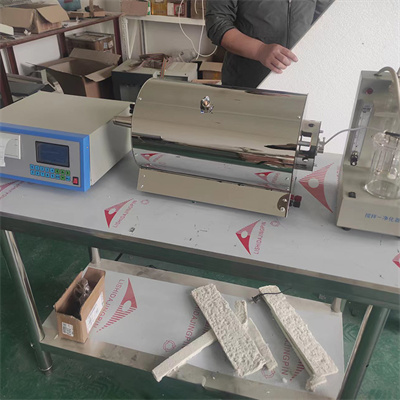
The rapid calorimeter focuses on efficient detection. By optimizing the combustion and heat collection process, the detection cycle is greatly shortened, and the single detection time is much shorter than that of the traditional calorimeter. It is suitable for sample batch inspection scenarios, such as quality sampling on the production line, and can quickly feed back calorific value data to ensure the production rhythm. Although the detection accuracy is slightly inferior to that of oxygen bombs and adiabatic calorimeters, it is indispensable in fast-paced production scenarios due to its detection efficiency advantages.
Different types of calorimeters have their own focuses. When selecting, it is necessary to consider factors such as detection requirements, budget, and detection frequency in order to maximize the value of the calorimeter and lay a solid foundation for the detection of calorific value.
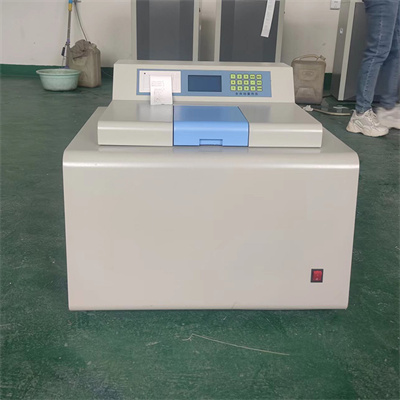 How to read calorimeter data
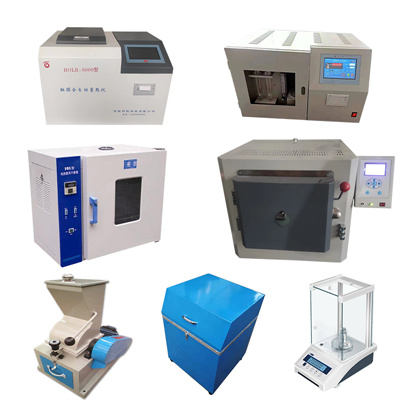 What is the design principle of a calorimeter?
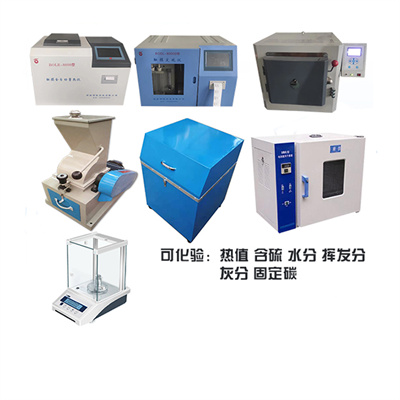 What is the harm of lack of water in the calorimeter?
 What is the input interface of the calorimeter?