How accurate is the calorimeter?
In various calorific value measurement scenarios, the accuracy of the calorimeter directly determines the reliability of the measurement results, and it is crucial to choose the right accuracy.
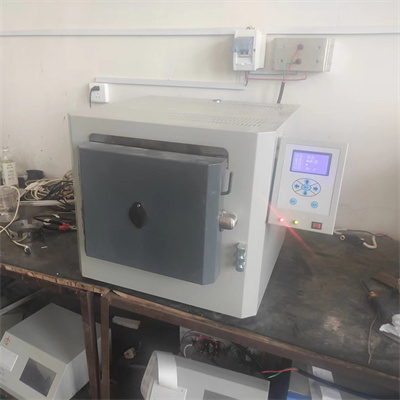
Conventional field accuracy requirements: For conventional energy detection such as coal and biomass fuel, the accuracy of the calorimeter usually needs to be controlled within ± 0.1%. This accuracy can not only meet the requirements of industry standards for calorific value determination, but also adapt to the basic configuration of most laboratories to ensure that the data deviation is within a reasonable range.
High-precision scene accuracy standard: If it involves scenes with strict data requirements such as scientific research experiments and special fuel detection, the accuracy of the calorimeter needs to be increased to ± 0.05% or even higher. Such high-precision equipment can capture subtle heat changes and provide core data support for accurate research and development and compliance detection.
The key basis for selecting accuracy is: First, to match the testing requirements, routine production testing does not need to pursue too high accuracy to avoid waste of resources; second, to refer to industry standards, different fields have clear specifications for the accuracy of calorimeters, and strict benchmarking is required.
Overall, the higher the accuracy of a calorimeter, the better. By combining its own detection scenarios and industry requirements, selecting the appropriate accuracy standard can achieve a balance between accurate measurement and cost, and build a solid data foundation for subsequent work.
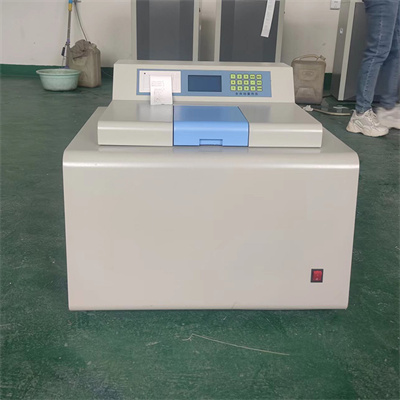 How to read calorimeter data
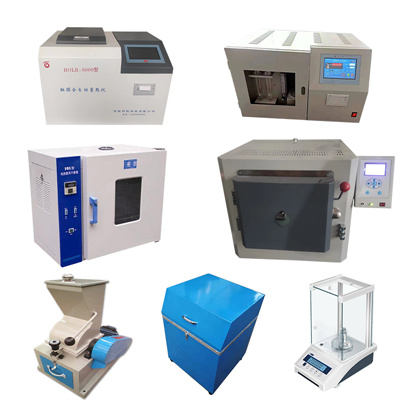 What is the design principle of a calorimeter?
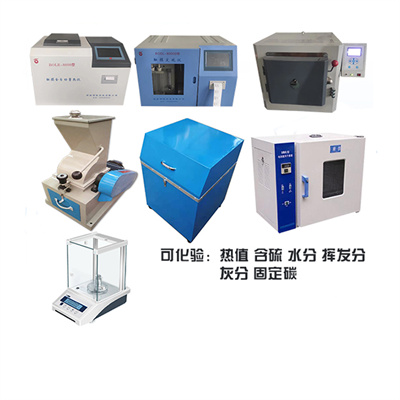 What is the harm of lack of water in the calorimeter?
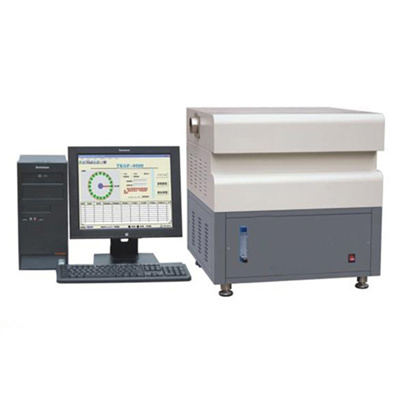 What is the input interface of the calorimeter?