How does a calorimeter conduct water temperature?
The core principle of water temperature conduction in calorimeter
As a core device for accurately measuring heat, the water temperature conduction mechanism of the calorimeter is the key to ensuring the accuracy of the measurement. It is mainly based on the two basic principles of heat conduction and heat convection, and realizes efficient heat transfer in the water medium through scientific design. When the instrument is started, the internal heating or cooling device will exchange heat with the water medium, and the heat will naturally flow from the high temperature area to the low temperature area. This process is an intuitive manifestation of heat conduction.
The operational details of the key transmission links
In a calorimeter, water temperature conduction needs to go through several key links. The first is the heat transfer medium, which usually uses high thermal conductivity metal parts, such as stainless steel liner, which can quickly transfer heat to the water body and reduce heat loss. The second is the stirring system, which makes the water body temperature quickly uniform through constant stirring to avoid local temperature differences affecting the measurement accuracy, which is an important guarantee for heat convection to play a role. In addition, the thermal insulation design of the instrument is also crucial, which can effectively block external heat interference and ensure that the water temperature conduction process is stable and controllable.
Core factors affecting water temperature conduction
To ensure the accurate water temperature conduction of a calorimeter, three core factors need to be paid attention to. First, the sealing of the equipment, poor sealing will lead to heat leakage, which directly affects the efficiency and stability of water temperature conduction; second, the sensitivity of the temperature sensor, high sensitivity sensor can capture water temperature changes in real time, provide accurate feedback for the conduction process, and facilitate timely adjustment; third, the purity of the water body, the thermal conductivity of the water body with too many impurities will decrease, interfering with the rhythm of heat transfer, so it is necessary to use pure water that meets the standards as the medium.
Conduction optimization skills in daily operations
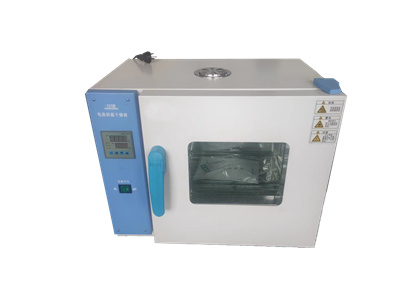
In practice, the effect of water temperature conduction can be optimized through simple techniques. Before starting the machine, ensure that the instrument is fully preheated to allow the internal components to reach a stable working state to avoid initial temperature fluctuations affecting conduction; maintain a stable stirring speed during the measurement process to avoid water temperature stratification due to uneven stirring; clean the liner in time after each use to prevent scale accumulation from affecting thermal conductivity. These details can improve the accuracy of water temperature conduction and ensure reliable measurement results.
Mastering the water temperature conduction logic of a calorimeter can not only improve the operation proficiency, but also fundamentally ensure the accuracy of heat measurement data, laying a solid foundation for various heat-related experiments and detection work.
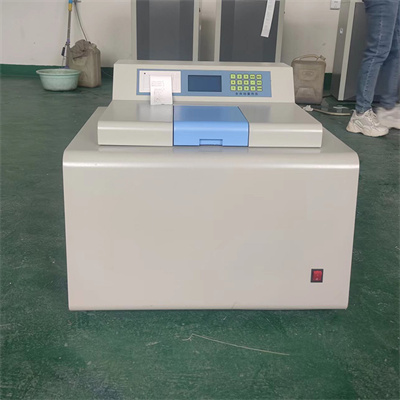 How to read calorimeter data
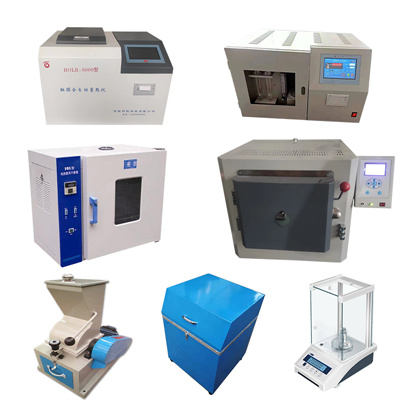 What is the design principle of a calorimeter?
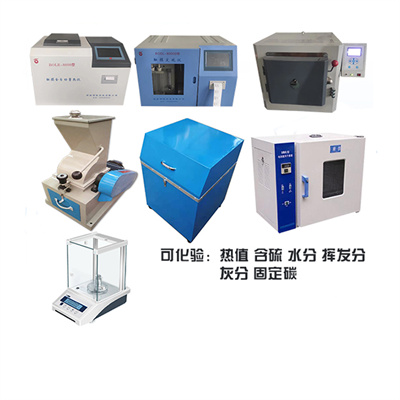 What is the harm of lack of water in the calorimeter?
 What is the input interface of the calorimeter?