What is a calorimeter?
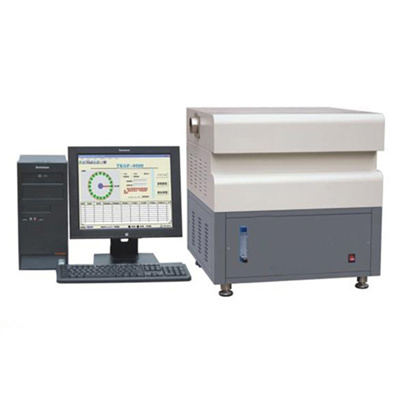
calorimeters are specialized instruments for accurately measuring the heat of substances. They play a key role in laboratories in the energy, chemical, coal, and electric power industries. They are the core equipment for conducting calorific value detection and combustion thermal analysis.
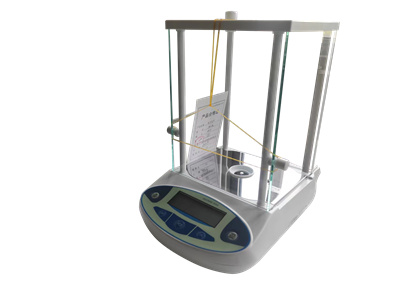
Core working principle
The core principle of the calorimeter is based on the law of conservation of energy. By fully burning the sample to be tested in a closed oxygen bomb, the released heat is absorbed by the constant temperature medium (usually water) inside the instrument, and then the temperature change of the medium is captured by a high-precision temperature sensor. Combined with the relevant calculation formula, the calorific value or calorific value of the sample can be accurately calculated. During the whole process, the accuracy of the temperature measurement directly determines the reliability of the result, so the calorimeter requires extremely high accuracy of the temperature sensor.
Main application scenarios
In the coal industry, calorimeters are the core tools for detecting the calorific value of coal. Calorific value is the core indicator for judging the quality and pricing of coal, which is directly related to the combustion efficiency and energy utilization value of coal. In the chemical industry, it is used to measure the combustion heat of chemical raw materials and fuels, providing key data support for process design and energy accounting. In the power industry, the calorimeter can accurately control the power generation efficiency and ensure the stability and economy of power production.
Core structure composition
The calorimeter is mainly composed of an oxygen bomb, an inner cylinder, an outer cylinder, a temperature sensor, and a control system. The oxygen bomb is a closed container for sample combustion, which needs to have the characteristics of high pressure resistance and corrosion resistance to ensure the safety and control of the combustion process; the inner cylinder holds a constant temperature medium, which is responsible for absorbing the heat released by the combustion of the sample; the outer cylinder plays a constant temperature insulation role, providing a stable temperature environment for the inner cylinder and reducing the interference of external temperature on the measurement results; the control system is responsible for accurately regulating the experimental process, collecting and calculating data, and realizing automatic measurement.
Use key points
When using a calorimeter, it is necessary to strictly follow the operating specifications. First, ensure that the oxygen bomb is well sealed to avoid air leakage during combustion, resulting in heat loss; second, the weighing of the sample needs to be accurate, too much or too little sample will affect the accuracy of the measurement results; finally, the instrument needs to be calibrated before the experiment to ensure that the temperature sensor and metering system are in the best working condition to ensure that every measurement data is true and reliable.
With its accurate heat measurement capabilities, calorimeters provide solid data support for energy utilization and quality control in various industries. They are an indispensable core instrument for heat-related testing in laboratories. By mastering their principles and operations, they can effectively improve experimental efficiency and data accuracy.
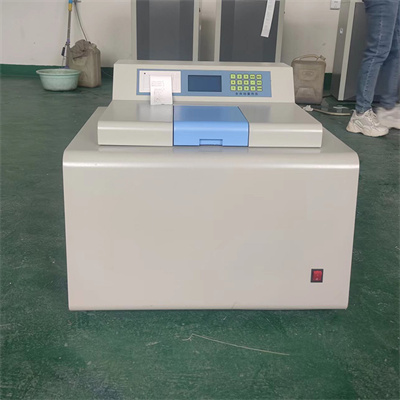 How to read calorimeter data
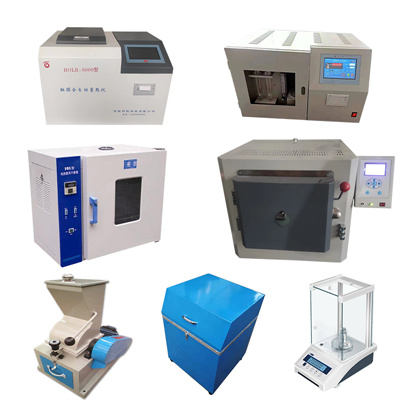 What is the design principle of a calorimeter?
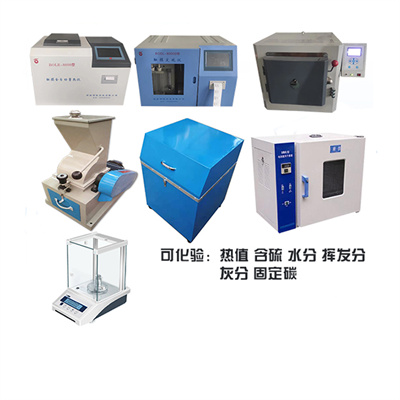 What is the harm of lack of water in the calorimeter?
 What is the input interface of the calorimeter?