How accurate is the calorimeter experiment?
In experimental scenarios such as calorific value detection, the experimental accuracy of the calorimeter is crucial, which is directly related to the accuracy and reliability of the experimental results. So, how much can the experimental accuracy of the calorimeter be achieved, and what factors affect it?
Calorimeter experimental accuracy standard
Generally speaking, the accuracy of a high-quality calorimeter can be controlled between ± 0.1% and ± 0.2%. However, the accuracy standards of calorimeters produced by different models and manufacturers will vary. In practical applications, it is necessary to strictly refer to the instrument manual and relevant national standards to clarify the accuracy range that the instrument can achieve, as the basis for experimental operation.
Key Factors Affecting the Experimental Accuracy of Calorimeter
Environmental factors: The fluctuation of temperature and humidity in the laboratory will have a significant impact on the accuracy of the calorimeter. If the temperature is too high or too low, it may cause the performance of the internal components of the instrument to change, affecting the heat measurement; if the humidity is too large, it is easy to make the instrument parts damp and interfere with the measurement accuracy. Therefore, the laboratory needs to maintain a constant temperature and humidity environment. The temperature is controlled at 15-30 ° C and the humidity is kept at 40% -60%.
Instrument calibration: If the calorimeter is not regularly calibrated, the measurement error will gradually accumulate. Calibration work covers heat capacity calibration, temperature sensor calibration, etc. Only by ensuring that the parameters of the instrument are accurate can the experimental accuracy be guaranteed. It is recommended to carry out calibration work regularly according to the frequency of use of the instrument, generally at least once a quarter.
Sample preparation: The uniformity of the sample, the degree of drying and the weighing accuracy will affect the measurement results of the calorimeter. The sample is uneven and contains moisture, which will lead to insufficient combustion and inaccurate heat release; if the weighing error is too large, it will also directly affect the final measurement value. When preparing the sample, it is necessary to ensure that the sample is fully dried, evenly ground, and accurately weighed with a high-precision balance.
A Practical Method for Improving the Experimental Accuracy of Calorimeter
On the one hand, it is necessary to optimize the laboratory environment and equip it with temperature and humidity control equipment to create a stable operating environment for the calorimeter. On the other hand, establish a complete instrument calibration system and arrange professionals to be responsible for the calibration work to ensure that the instrument is always in the best condition. In addition, strengthen the training of experimental personnel, standardize the sample preparation process, improve the standardization and accuracy of the operation, and ensure the experimental accuracy of the calorimeter from multiple links.
Mastering the relevant knowledge of the experimental accuracy of calorimeters, understanding the influencing factors, and taking effective improvement measures can help us obtain more accurate experimental data, providing strong support for scientific research, production, and other work.
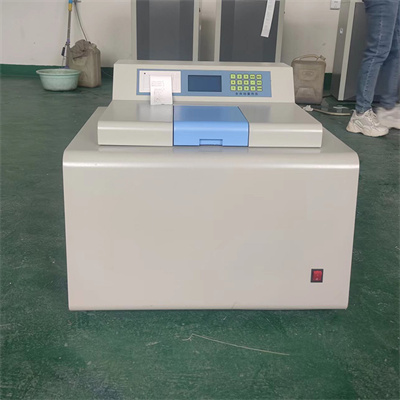 How to read calorimeter data
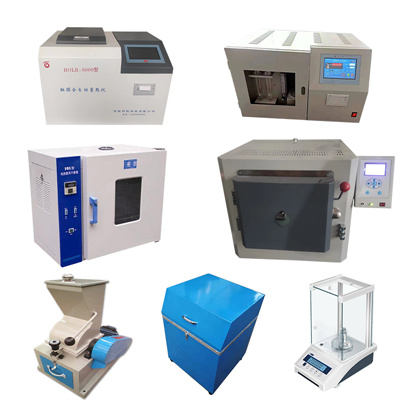 What is the design principle of a calorimeter?
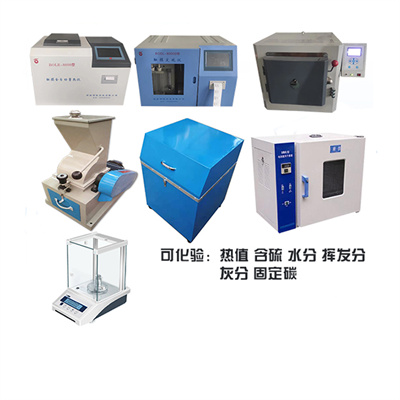 What is the harm of lack of water in the calorimeter?
 What is the input interface of the calorimeter?