How to judge the quality of a calorimeter
In the fields of energy and chemical industry, calorimeters are key devices for accurately measuring heat, and their performance directly affects the experimental results. So, how to judge the quality of a calorimeter? Here are a few key aspects for your detailed analysis.
Accuracy is the core metric
Accuracy is the primary criterion for measuring the quality of a calorimeter. A high-quality calorimeter measures the calorific value of the reference material with minimal deviation from the standard value. For example, when using benzoic acid as a reference material for testing, the results of multiple measurements should be stable within the specified error range. If the measurement results fluctuate widely and the deviation exceeds the limit, it means that the accuracy of the calorimeter is insufficient and it is difficult to meet the experimental needs.
Stability determines long-term performance
Stability depends on whether the calorimeter can operate stably for a long time. A good calorimeter will not drift significantly when it works continuously for several hours or even longer. For example, under the same experimental conditions, the same sample should be measured repeatedly at intervals, and the resulting data should be highly consistent. If the data fluctuates, it indicates that the stability of the calorimeter is poor, and the data is prone to distortion during use, which affects the reliability of the experiment.
Temperature control is crucial
The work of a calorimeter relies on precise temperature control. A high-quality calorimeter's temperature control system can accurately maintain the temperature environment required for the experiment, with minimal temperature fluctuations. During the measurement process, small changes in temperature can lead to deviations in the results. Therefore, a calorimeter with precise temperature control can provide a stable measurement environment for the experiment and ensure accurate data.
The ease of operation affects the user experience
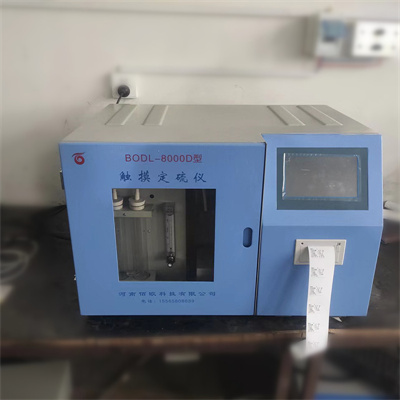
The ease of operation is also an important factor in judging the quality of the calorimeter. A good calorimeter has a simple and clear operation interface, reasonable function settings, and quick operation by the operator. At the same time, the maintenance and calibration of the instrument should also be simple and convenient, reducing the workload of the operator and the probability of errors. If the operation is complicated and cumbersome, it will not only affect the work efficiency, but also may lead to inaccurate measurement results due to operation errors.
Brand and after-sales guarantee cannot be ignored
When choosing a calorimeter, brand and after-sales guarantee are equally important. Well-known brands usually have more mature technology and strict quality control system, which guarantees product quality. Perfect after-sales services can solve problems encountered during use in a timely manner and provide support for the long-term stable operation of the instrument.
To judge the quality of a calorimeter, it is necessary to comprehensively consider various factors such as accuracy, stability, temperature control ability, ease of operation, and brand after-sales. Master these methods to help you choose a high-performance calorimeter and escort the experimental work.
 How to read calorimeter data
 What is the design principle of a calorimeter?
 What is the harm of lack of water in the calorimeter?
 What is the input interface of the calorimeter?