How to adjust the parameters of the calorimeter
In the laboratory testing work, the accurate operation of the calorimeter cannot be separated from scientific and standardized parameter adjustment. Mastering the correct parameter adjustment method can not only ensure the accuracy of the test results, but also prolong the service life of the instrument. The following is a detailed introduction to the core points of the parameter adjustment of the calorimeter.
First, clarify the basic parameters and identify the adjustment direction
The basic parameters of the calorimeter are the key to ensuring the stability of the detection, mainly including temperature calibration parameters, stirring speed parameters and ignition parameters. Temperature calibration parameters are directly related to the accuracy of the test results, and need to be calibrated according to the instrument manual and the calorific value data of the standard material; stirring speed parameters determine the uniformity of the heating of the sample. Usually, according to the characteristics of the sample and the detection requirements, the stirring speed is set in an appropriate range to avoid bubbles or uneven heating caused by too fast speed; ignition parameters are related to whether the sample can burn smoothly. According to the ignition point of the sample, the ignition temperature and ignition time should be reasonably set to ensure that the sample is fully burned.
Second, accurately calibrate the temperature to ensure detection accuracy
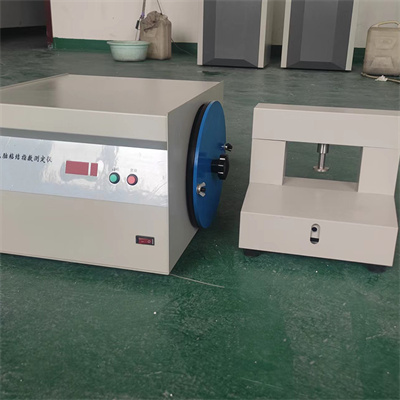
Temperature is the core indicator of the calorimeter test, and the calibration work must be rigorous and meticulous. First, prepare the reference material with known calorific value, put it into the oxygen bomb of the calorimeter, and start the test according to the standard operating procedure. After the test is completed, compare the calorific value displayed by the instrument with the nominal calorific value of the standard material. If there is any deviation, correct the temperature parameters through the calibration function of the instrument. When correcting, follow the principle of "small amplitude, multiple adjustments", and re-test after each adjustment until the error between the test result and the standard value is controlled within the allowable range.
Third, set the stirring reasonably to ensure uniform heating
The function of the stirring system is to make the sample fully contact with oxygen to ensure uniform heating. When adjusting the stirring speed, it is necessary to combine the physical state of the sample: for solid samples, the stirring speed can be appropriately increased to speed up heat transfer; for liquid samples, it is necessary to reduce the stirring speed to avoid liquid splashing. At the same time, it is necessary to regularly check the wear of the stirring blades. If the blades are deformed or worn, they need to be replaced in time, otherwise the stirring effect will be affected and the detection data will be distorted.
IV. Optimize ignition parameters to ensure full combustion
The setting of ignition parameters directly affects the combustion efficiency of the sample. When adjusting, first set the ignition temperature according to the ignition point of the sample to ensure that the ignition temperature is higher than the ignition point of the sample, and at the same time avoid damage to the instrument parts due to excessive temperature. The ignition time needs to be determined according to the combustion characteristics of the sample. For refractory samples, the ignition time can be appropriately extended to ensure that the sample is completely burned. For flammable samples, the ignition time should not be too long to prevent the combustion from causing safety hazards. In addition, the carbon deposits on the ignition electrodes should be cleaned regularly to ensure the normal operation of the ignition system.
Fifth, make a good record of parameters to facilitate subsequent traceability
After each parameter adjustment, a detailed record must be made, including information such as adjustment time, adjustment parameters, test sample type, test results, etc. Records can not only help staff grasp the operating status of the instrument, but also quickly trace the root cause of the problem and take timely solutions when detection abnormalities occur.
In short, the parameter adjustment of the calorimeter is a systematic work, which needs to take into account the basic parameter setting, key index calibration and detail control. As long as the operating specifications are strictly followed and the parameters are precisely adjusted, the performance of the calorimeter can be fully exerted and reliable protection for the testing work can be provided.
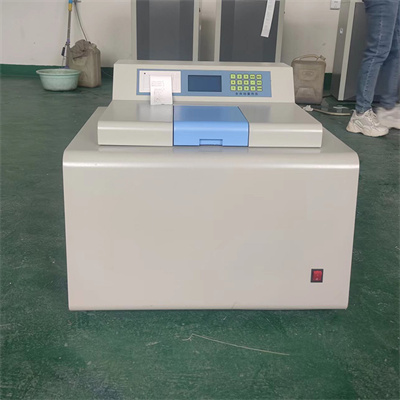 How to read calorimeter data
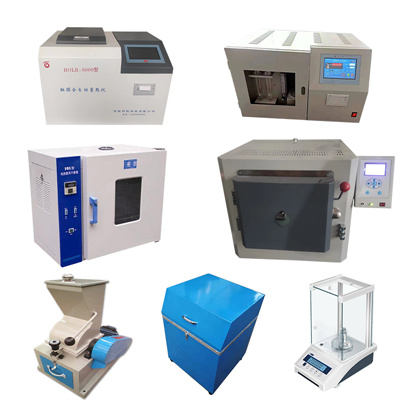 What is the design principle of a calorimeter?
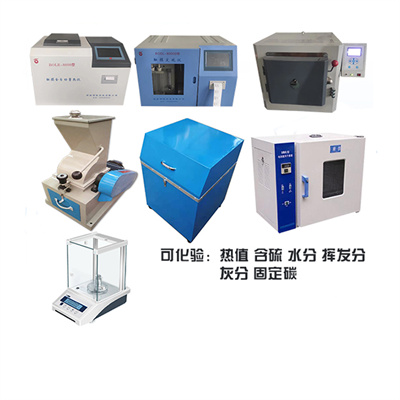 What is the harm of lack of water in the calorimeter?
 What is the input interface of the calorimeter?