How to tell if a calorimeter is good or bad
In the coal, chemical and other industries, calorimeters are the key equipment for detecting heat generation, and it is crucial to learn to distinguish between good and bad. Here are a few practical methods for you:
Accuracy and stability are core metrics
The measurement accuracy of high-quality calorimeters is extremely high. The same sample is tested many times, and the result error is extremely small. Generally, it can be controlled within the allowable range of national standards. In terms of stability, long-term continuous work, the data will not fluctuate greatly, ensuring the reliability of the test results. If the accuracy is insufficient and the stability is poor, the quality of this calorimeter is worrying.
Look at the performance of the heating system
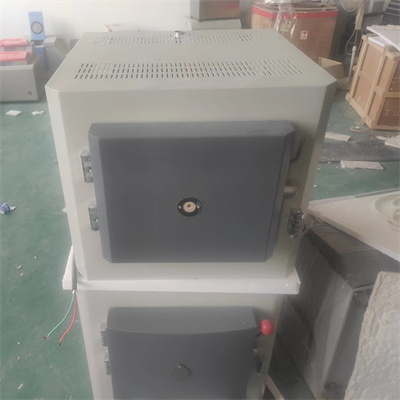
The heating system directly affects the working efficiency and accuracy of the calorimeter. A good calorimeter has a fast heating speed, can reach the set temperature in a short time, and the temperature control is accurate, with minimal fluctuation. The heating element is durable, not easy to damage, and can ensure long-term stable operation. If the heating is slow and the temperature control is unstable, it will affect the detection efficiency and results.
Pay attention to the degree of automation
The highly automated calorimeter is easy to operate and can automatically complete the processes of adding water, stirring, ignition, data recording, etc., reducing human operation errors. At the same time, it has the function of automatic fault diagnosis, and the problem can be alerted in time, which is convenient for maintenance. The instrument with low degree of automation is not only cumbersome to operate, but also prone to human error affecting the detection.
Consider the material and craftsmanship of the instrument
The high-quality calorimeter uses high-quality materials, the shell is sturdy and durable, the internal components are fine in workmanship, and the connection is tight, without loosening or air leakage. Good craftsmanship can ensure the tightness of the instrument, avoid heat loss, and ensure accurate test results. Instruments with poor materials and rough craftsmanship are not only short in service life, but also prone to various failures.
By grasping the above points, you can easily distinguish the quality of a calorimeter and choose the right testing equipment for your job.
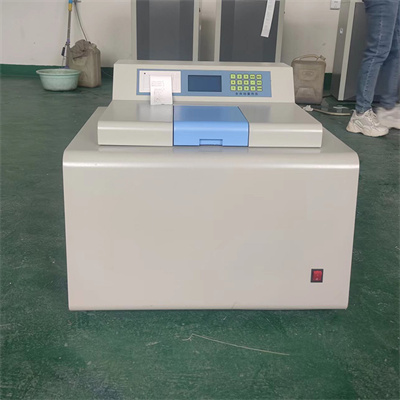 How to read calorimeter data
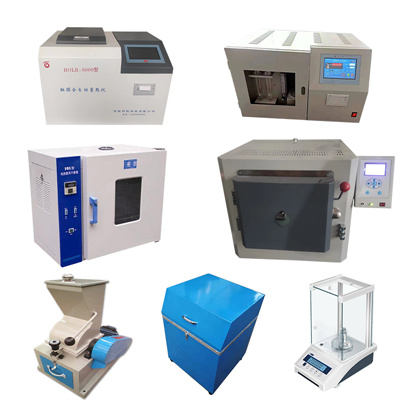 What is the design principle of a calorimeter?
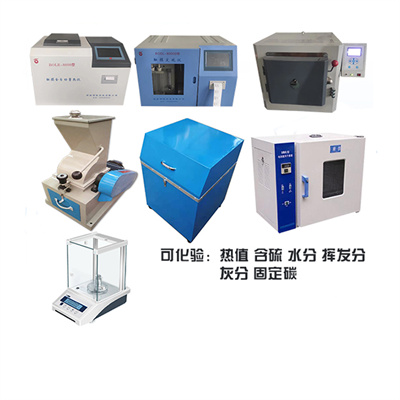 What is the harm of lack of water in the calorimeter?
 What is the input interface of the calorimeter?