How to measure a cone calorimeter
First, the core principle of cone calorimeter measurement
The cone calorimeter is an internationally recognized core device for testing the combustion performance of materials. Its measurement is based on the principle of oxygen consumption. When the sample is burned under the radiant heat source of the cone heater, heat is released, and the amount of oxygen consumed during the combustion process is in a fixed proportion to the heat released. By accurately capturing the change of oxygen concentration before and after combustion, combined with the flow data, the instrument can calculate the key indicators such as the heat release rate and total heat release of the sample, providing a scientific basis for evaluating the fire risk of materials.
II. Necessary preparations before measurement
1. Equipment calibration: After booting, the instrument needs to be calibrated first, focusing on calibrating the oxygen analyzer, heat flow meter and quality sensor. Calibrate the oxygen sensor with standard gas to ensure accurate concentration detection; calibrate the radiant heat source with standard heat flow meter to ensure uniform heating of the sample and reliable data.
2. Sample preparation: The sample needs to be cut according to the standard size, usually a square of 100mm × 100mm, and the thickness should be controlled within the specified range according to the material characteristics. The surface of the sample needs to be flat to avoid defects such as burrs and bubbles. At the same time, it is necessary to ensure that the sample is dry to avoid moisture affecting the accuracy of combustion data.
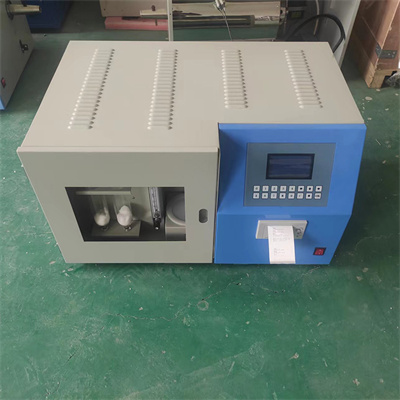
3. Environmental construction: ensure that the laboratory is well ventilated and eliminate external air interference; the instrument needs to be placed on a stable table, connect the exhaust pipe and the data collection system, check whether the line connection is normal, and ensure the stable operation of the test process.
III. Standard measurement operation steps
1. Sample installation: Put the prepared sample into the sample holder to ensure that the surface of the sample is perpendicular to the radiating surface of the cone heater, and the center of the sample is aligned with the center of the heater to ensure uniform heating. Then close the test compartment door to ensure a tight seal to prevent outside air from entering and affecting the combustion process.
2. Parameter settings: set the radiant heat flux according to the test standard, the common setting value is 25kW/m ², 35kW/m ², etc., to simulate different fire scenarios; set the test time, generally set to 30 minutes according to the material combustion characteristics; at the same time set the data collection frequency to ensure accurate capture of dynamic data during combustion.
3. Start the test: After starting the equipment, the cone heater starts radiant heating, and the sample automatically burns after being heated to the ignition point. The instrument collects data such as oxygen concentration, sample mass change, and flue gas temperature in real time, and automatically calculates key parameters such as heat release rate, mass loss rate, and effective combustion heat through built-in algorithms, and transmits them to the data collection system synchronously.
4. End of test and data export: After the test is completed, the equipment automatically stops heating. After the test cabin cools down, open the cabin door to remove the sample residue. Export test data, generate combustion performance curves through professional software, and visually display the changes of various parameters during the combustion process of the material.
IV. Key application directions for measurement results
The measurement results of the cone calorimeter can be directly applied to the evaluation of material flame retardancy, and the fire risk level of the material can be judged by the peak heat release rate, total heat release and other data; it provides core data support for the research and development of materials in the fields of building materials, electronics, transportation, etc., to help optimize material formulations and improve product fire safety performance; at the same time, the measurement data is also an important basis for building fire protection design and fire protection acceptance, and to build a strong technical defense line for ensuring public safety.
Mastering the measurement method of cone calorimeter can not only accurately obtain material combustion performance data, but also provide scientific support for Product Research & Development, quality control and fire safety. It is one of the core skills in the field of material testing.
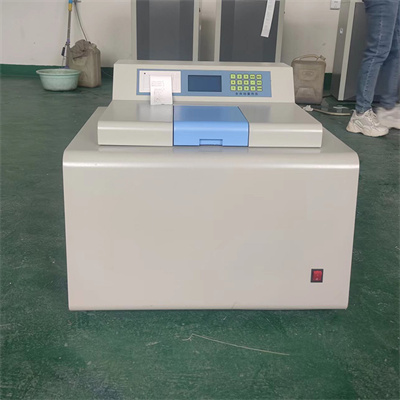 How to read calorimeter data
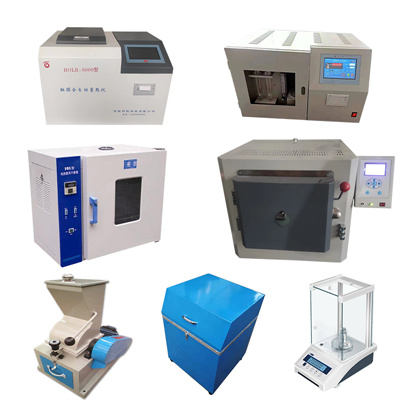 What is the design principle of a calorimeter?
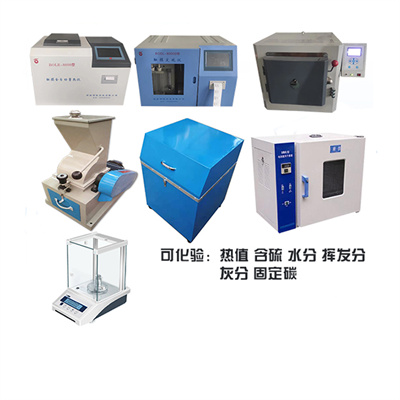 What is the harm of lack of water in the calorimeter?
 What is the input interface of the calorimeter?