Which battery calorimeter is better?
First, choose the core judgment standard of the battery calorimeter
When selecting a battery calorimeter, the key is performance and adaptability. These three points are the core basis for judgment.
1. Detection accuracy and stability: The core of a battery calorimeter is to accurately capture the thermal effect of the battery. High-quality equipment requires a detection accuracy of less than ± 0.5% and strong continuous operation stability to avoid data fluctuations affecting the detection results. This is essential for lithium battery research and development and safety testing.
2. Temperature control range and response speed: The testing requirements of different batteries vary widely. High-quality equipment should have a temperature control range of -50 ° C to 300 ° C, and at the same time have the ability to heat up and cool down quickly. The response time should be controlled within 10 minutes to adapt to multi-scene testing requirements.
3. Data compatibility and ease of operation: The device needs to support the export of mainstream data formats, be compatible with the laboratory management system, and have a simple operation interface, which can be used without complex training, reducing the operating cost of the enterprise.
Second, the characteristics of high-quality battery calorimeter manufacturers
A reliable battery calorimeter manufacturer can provide comprehensive protection from product to service, which is mainly reflected in two characteristics.
1. Technical strength and R & D capabilities: High-quality manufacturers have independent R & D teams, master the core technology of calorimetry, and can develop special detection modules for solid-state batteries and power batteries according to industry features iteration products, rather than relying solely on assembly and OEM, technical barriers are more solid.
2. Perfect after-sales and customized service: Battery calorimeters are precision instruments, and after-sales response speed is crucial. Reliable manufacturers can provide 24-hour technical response, regular calibration services, and customize equipment parameters and functions according to customers' special testing needs, rather than just providing standardized products.
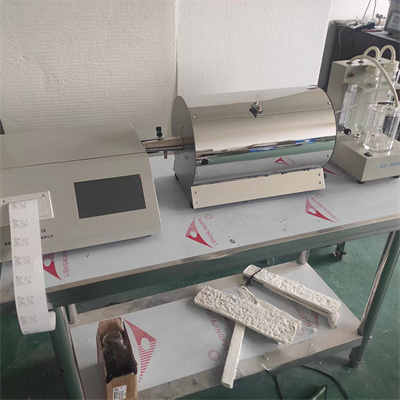
Third, practical suggestions for purchasing a battery calorimeter
Mastering the following suggestions can help you quickly avoid shopping mistakes and choose the right equipment.
First, clarify your own needs. If you focus on power battery testing, choose equipment with a wide range of temperature control and high voltage resistance first. If it is used for scientific research, focus on accuracy and data compatibility. Second, visit the manufacturer on the spot to check the production workshop and R & D strength, and avoid choosing small workshops without physical factories. Finally, ask for sample testing, verify the performance of the equipment through actual test data, and then make a comprehensive decision in combination with after-sales terms.
In summary, choosing a battery calorimeter does not have to tear "which one is better". By closely following the core standards, looking for the characteristics of reliable manufacturers, and accurately screening according to their own needs, they can find suitable high-quality equipment and lay a solid foundation for battery testing.
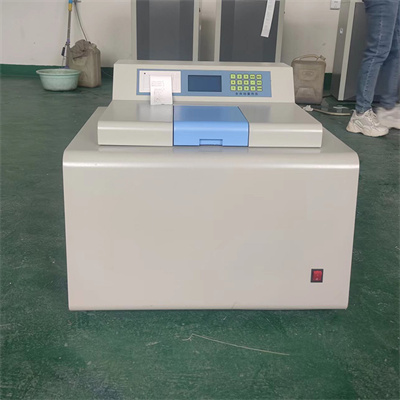 How to read calorimeter data
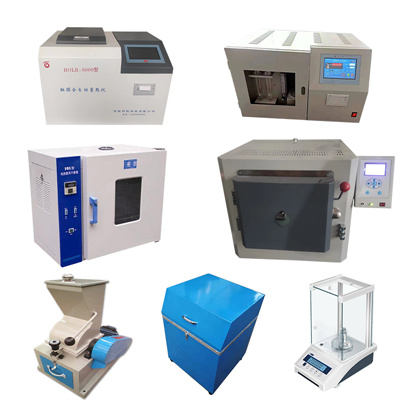 What is the design principle of a calorimeter?
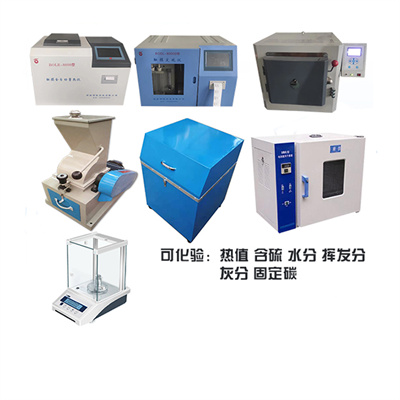 What is the harm of lack of water in the calorimeter?
 What is the input interface of the calorimeter?