How to adjust the calorimeter is not allowed
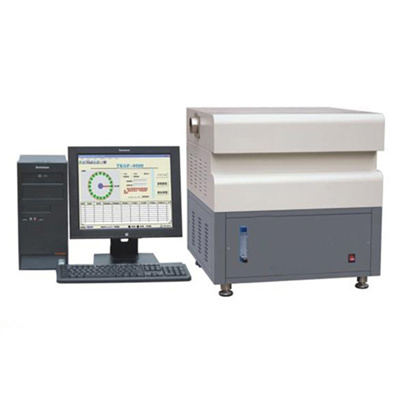
In the fields of energy, chemical industry, and scientific research, calorimeters are key equipment for accurately measuring the calorific value of substances. Once the measurement is inaccurate, it will directly affect the experimental data and production decisions. To solve the problem of inaccurate calorimeters, it is necessary to investigate the root cause and accurately debug. The following methods are simple and easy to operate to help you quickly restore the accuracy of the instrument.
First, investigate the common core causes of inaccuracy
The calorimeter is inaccurate, most of which are due to the omission of basic links. First, the sealing of the oxygen bomb is insufficient. If the oxygen bomb leaks, it will lead to insufficient combustion and low calorific value measurement. It is necessary to check whether the sealing ring of the oxygen bomb is aging and whether the oxygen bomb cap is tightened. Second, the ambient temperature fluctuates greatly, and the calorimeter is sensitive to the ambient temperature. If the temperature difference exceeds 5 ° C, it is easy to cause errors. It is necessary to ensure that the laboratory temperature is stable at 15-30 ° C. Third, the standard material fails. If the benzoic acid used for calibration is damp and deteriorated, it will lead to the deviation of the calibration benchmark, and the qualified standard material needs to be replaced. Fourth, the water volume of the inner cylinder is inaccurate, and the water volume of the inner cylinder directly affects the heat capacity
Second, core calibration steps to quickly restore accuracy
1. Heat capacity calibration (key step): Heat capacity is the core parameter of the calorimeter and needs to be calibrated with standard benzoic acid. First accurately weigh 0.9-1 g of dry benzoic acid, press it into a sheet and put it in an oxygen bomb, add 10mL of distilled water, oxygenate to 2.8-3 MPa, put it into the inner cylinder of the calorimeter, and start the calibration procedure. After the combustion is completed, the instrument automatically calculates the heat capacity. If the calibration value deviates from the nominal value by more than 0.2%, the calibration needs to be repeated 3 times, and the average value is taken as the final heat capacity value.
2. Oxygen bomb airtightness testing and maintenance: Before each calibration, the oxygen bomb needs to be tested for airtightness. Oxygen the oxygen bomb to 3.0MPa and soak it in water for 1 minute. If there are no bubbles, the airtightness is good; if there are bubbles, the sealing ring needs to be replaced, and the residual combustion products inside the oxygen bomb need to be cleaned to ensure that the inside of the oxygen bomb is clean.
3. Temperature sensor calibration: The temperature sensor is the "eye" of the calorimeter, and errors will directly lead to inaccurate results. You can use a standard thermometer, put the sensor and the thermometer into a constant temperature water bath at the same time, and compare the readings. If the deviation exceeds 0.1 ° C, you need to contact a professional for calibration or replace the sensor.
III. Daily maintenance to avoid recurrence of inaccurate problems
After the commissioning is completed, daily maintenance is the key to maintaining the accuracy of the calorimeter. After each use, it is necessary to clean the oxygen bomb and inner cylinder in time to dry the water; check whether the inner cylinder mixer runs smoothly every month to ensure a uniform mixing speed; replace the oxygen bomb sealing ring regularly to avoid aging and air leakage; when not in use for a long time, it is necessary to disconnect the power supply and put on a dust cover to prevent dust from entering the inside of the instrument.
As long as you follow the above steps for troubleshooting, debugging and maintenance, you can quickly solve the problem of inaccurate calorimeter, keep the instrument running with high precision, and provide reliable data support for experiment and production. If the problem cannot be solved after debugging, it is recommended to contact the professional and technical personnel of the instrument manufacturer to avoid damage to the instrument caused by blind disassembly.
 How to read calorimeter data
 What is the design principle of a calorimeter?
 What is the harm of lack of water in the calorimeter?
 What is the input interface of the calorimeter?