Why is the water temperature of the calorimeter?
calorimeters are crucial in the field of heat measurement, and water temperature control is its core link, which contains rigorous scientific logic.
The principle of calorimetry determines the importance of water temperature
The calorimeter is based on the first law of thermodynamics and calculates the relevant calorific value by measuring the heat released by the combustion or reaction of a substance. Water is a key medium for heat transfer, and its temperature directly affects the absorption and transfer efficiency of heat. If the water temperature is unstable, it will lead to deviations in heat transfer, making the measurement results lose accuracy and cannot accurately reflect the calorific value characteristics of substances.
Water temperature stability guarantees measurement accuracy
In calorimetry experiments, even small fluctuations in water temperature can trigger a chain reaction. When the measured substance releases heat, if the initial water temperature is too high or too low, additional losses or absorption will occur during the heat transfer process, interfering with the accurate calculation of heat. Only by keeping the water temperature stable can we ensure that the heat transfer path is clear and controllable, allowing the calorimeter to accurately capture heat changes and provide reliable support for the experimental data.
Water temperature regulation for accurate measurement
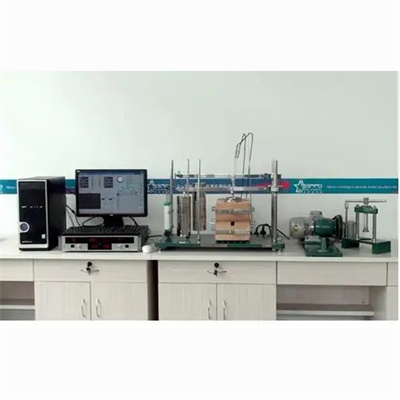
The calorimeter is equipped with a professional water temperature adjustment system, which can adjust the water temperature to a standard state before the experiment. During the experiment, the system continuously monitors the change of water temperature, and maintains the stability of the water temperature through precise regulation. This refined water temperature control is the key to the high-precision measurement of the calorimeter, helping researchers and inspectors obtain real and effective heat data, laying a solid foundation for energy detection, material research and other work.
By mastering the control principle of the calorimeter for water temperature, we can better understand its working logic, improve the accuracy and reliability of heat measurement, and provide a strong guarantee for various types of heat-related detection work.
 How to read calorimeter data
 What is the design principle of a calorimeter?
 What is the harm of lack of water in the calorimeter?
 What is the input interface of the calorimeter?