How to use the calorimeter with water?
In the experimental process of the calorimeter, the operation of adding water is very important, which directly affects the accuracy of the experimental results. The following is a detailed introduction to the correct method of adding water to the calorimeter.
Prepare before adding water
Before adding water to the calorimeter, make sure that the instrument is turned off and the power supply is disconnected to ensure safe operation. At the same time, prepare pure water that meets the requirements to avoid impurities in the water affecting the experimental accuracy. Carefully check the water inlet of the calorimeter to confirm that there is no blockage or damage.
Add water operation steps
1. Determine the amount of water added: Different types of calorimeters have different water addition requirements, so the specific amount of water added should be determined by strictly referring to the instrument manual. Generally speaking, the amount of water added should cover key components such as the heating device inside the instrument, but should not exceed the highest water level.
2. Add water slowly: Use a suitable water filling tool, such as a measuring cup or a special funnel, to slowly pour water into the water filling port of the calorimeter. Pay attention to controlling the water flow speed to avoid water splashing or bubbles, which will affect the performance of the instrument.
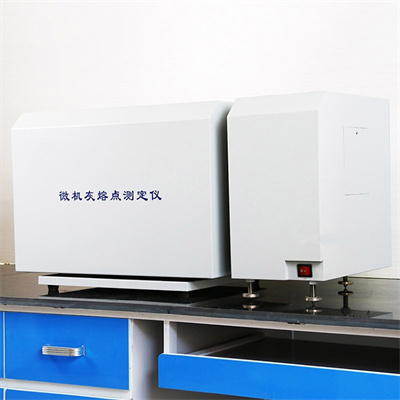
3. Observe the water level: During the water addition process, closely observe the water level inside the instrument until the water level reaches the specified scale. If you add too much water, you need to use a straw and other tools to suck out the excess water and adjust it to a suitable water level.
Check after adding water
After adding water, check whether the water level is stable again to confirm that the water inlet is well sealed and there is no water leakage. Then, according to the operation process of the instrument, turn on the calorimeter to check whether the instrument is running normally and whether the parameters are stable.
Precautions
1. Water quality requirements: Be sure to use purified water and avoid using tap water containing minerals or impurities to avoid the formation of scale inside the instrument, which will affect the life of the instrument and the accuracy of the experiment.
2. Regular maintenance: Regularly clean and maintain the water filling system of the calorimeter to ensure that the water filling port and pipes are unobstructed.
3. Standardized operation: strictly follow the requirements of the instrument manual to add water, and do not change the amount of water or the operation process at will.
Mastering the correct method of adding water to the calorimeter can not only ensure the smooth progress of the experiment, but also prolong the service life of the instrument. I hope the above content can help you easily master the water addition skills of the calorimeter and make the experiment more accurate and efficient.
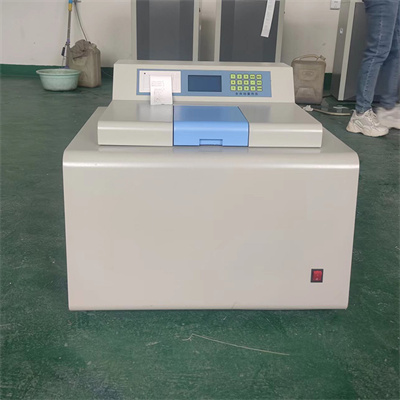 How to read calorimeter data
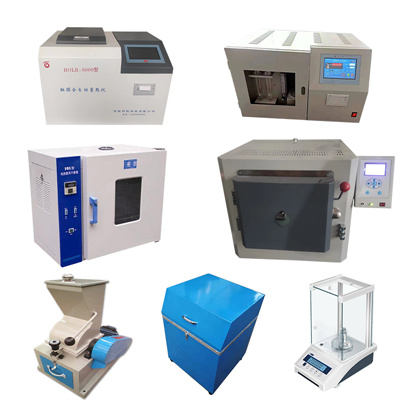 What is the design principle of a calorimeter?
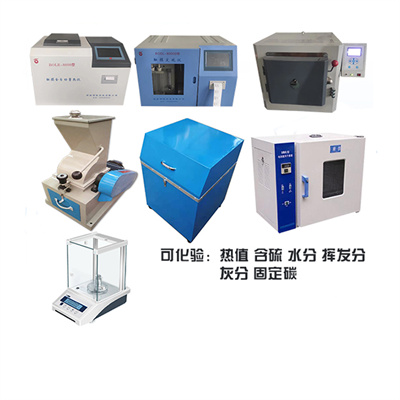 What is the harm of lack of water in the calorimeter?
 What is the input interface of the calorimeter?