Will the calorimeter overcharge?
The working principle and electricity basis of calorimeter
A calorimeter is a precision instrument used to accurately measure the heat change of a substance. Its core working principle is based on the laws of thermodynamics. By heating or cooling the sample, combined with a temperature sensor and a data processing system, the heat change can be accurately calculated. In terms of electricity consumption, the calorimeter needs to be connected to a power supply that meets the specifications. Generally, a stable AC is used. The internal circuit includes a heating module, a temperature control module, a data collection module, etc. Each module works together to ensure accurate measurement. Understanding the basis of its electricity consumption is the premise of judging whether there is an overpower risk.
Is there a risk of overcharging the calorimeter?
Theoretically, the calorimeter itself is designed with a complete circuit protection mechanism, and there will be no overpower under normal circumstances. However, in actual use, if there are problems such as unstable power supply voltage, aging and damage of the line, and poor grounding of the instrument, it may lead to overpower risks. For example, when the power supply voltage suddenly fluctuates sharply and exceeds the tolerance range of the calorimeter circuit, it may lead to overload of internal components and overcurrent of excessive current. After the line is aging and damaged, the insulation layer fails, which can easily lead to short circuit, which can lead to overpower. In severe cases, it may also damage the instrument and even cause electric shock accidents.
Key measures to prevent overcharging of calorimeter
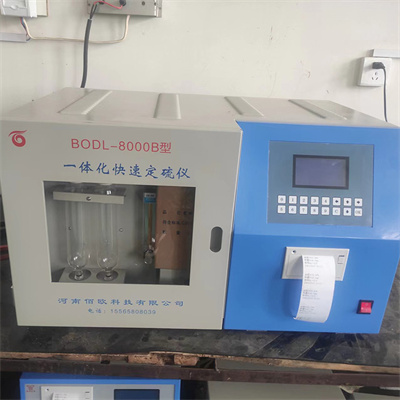
In order to avoid overpower problems in the calorimeter and ensure safe use, the following key measures need to be implemented. First, standardize the power supply configuration to ensure that the connected power supply voltage is consistent with the rated voltage of the calorimeter, and the power supply is stable, and can be equipped with a voltage regulator device; second, regularly check the line to replace the aging and damaged line in time to ensure that the line is well insulated; third, do a good job of grounding, and grounding in strict accordance with the requirements of the instrument to avoid static electricity accumulation or leakage due to poor grounding; fourth, standardize the operation process, and the operator needs to undergo professional training to avoid circuit failures caused by illegal operations.
Emergency treatment and daily maintenance after power failure
If the calorimeter is unfortunately overcharged, the power should be cut off immediately, stop using it, and do not disassemble the instrument by yourself. You need to contact professional maintenance personnel for maintenance, troubleshoot the cause of the failure and repair it. At the same time, it is necessary to strengthen the maintenance of the calorimeter on a daily basis, clean the inside of the instrument regularly, check the status of circuit components, and ensure that the instrument is always in good working condition. Reduce the risk of overcharging from the root cause, and ensure the safety of use and measurement accuracy.
 How to read calorimeter data
 What is the design principle of a calorimeter?
 What is the harm of lack of water in the calorimeter?
 What is the input interface of the calorimeter?