How to replace water with a calorimeter
Preparations: Ensure safe and orderly water changes
Before replacing the water in the calorimeter, be sure to turn off the power of the equipment to avoid the risk of electric shock. Prepare clean distilled or deionized water, which is pure and can prevent impurities from affecting the test results. At the same time, prepare clean rags and special containers for handling old water and cleaning. In addition, it is necessary to confirm the model of the calorimeter. Different models may have differences in the details of water change. Consult the equipment manual in advance to clarify the key operation points.
Old water discharge: precise operation to prevent residues
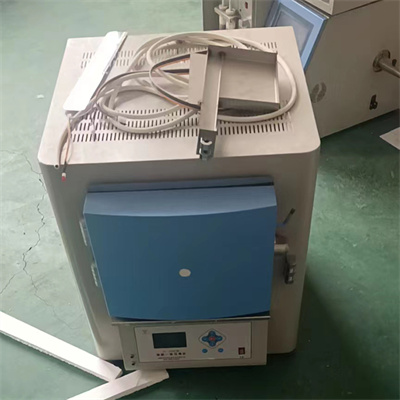
Find the drain port of the calorimeter, usually located at the bottom or side of the device, connect the drain pipe, and place the other end of the drain pipe in a special container. Slowly open the drain valve to allow the old water to drain smoothly. Pay attention to the drainage situation. When the water flow becomes small and intermittent, gently shake the device to ensure that the internal residual moisture is completely discharged. After the drainage is completed, close the drain valve and wipe the surrounding of the drain port with a rag to prevent water stains from remaining.
New water injection: controlling water quantity and quality
Slowly inject the prepared clean water source into the calorimeter through the water injection port. During the water injection process, pay close attention to the water level scale and add the water level strictly according to the requirements of the equipment manual to avoid the water level being too high or too low affecting the operation of the equipment. When filling water, the action should be gentle to prevent water splashing out, and at the same time observe whether there are bubbles inside the equipment. If there are bubbles, the water injection needs to be suspended and continue after the bubbles are discharged. After the water injection is completed, check the water level again to ensure that it meets the standards.
Follow-up inspection: ensure the normal operation of the equipment
After the water change is completed, carefully check whether the components of the equipment are firmly connected, and whether the drain and water injection ports are well sealed to prevent water leakage. Then, turn on the power supply of the equipment, turn on the equipment for practice running, observe the running status of the equipment, and check whether the parameters are normal. If there is an abnormal situation, immediately turn off the power supply, check the problem according to the instructions, and contact professionals for maintenance if necessary. Through the standardized water change operation and follow-up inspection, the stable operation of the calorimeter is guaranteed, providing a reliable guarantee for accurate detection.
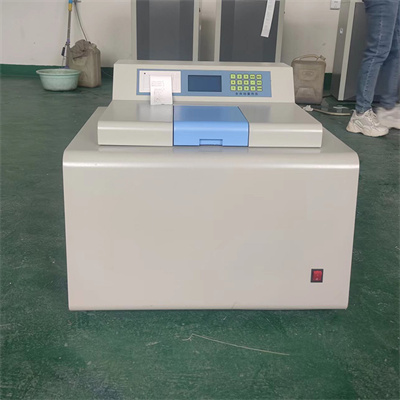 How to read calorimeter data
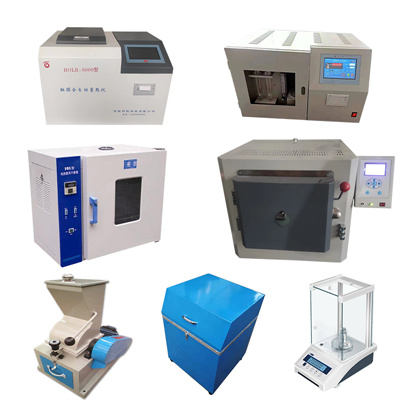 What is the design principle of a calorimeter?
 What is the harm of lack of water in the calorimeter?
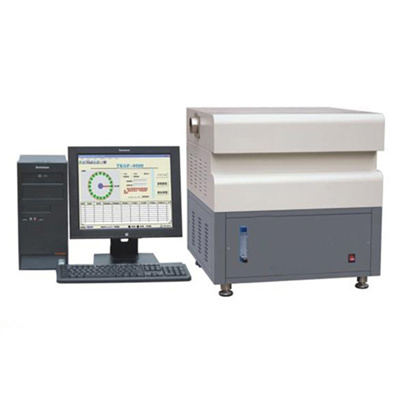 What is the input interface of the calorimeter?