Does the calorimeter need to be verified?
As a core instrument for accurate heat measurement, calorimeters are widely used in chemical, energy, scientific research and other fields. The accuracy of their measurement data is directly related to the experimental results, production quality and compliance. Therefore, verification work must be carried out regularly.
Why must the calorimeter be verified?
1. Ensure accurate data: After the calorimeter is used for a long time, it is prone to measurement errors due to factors such as component wear and environmental temperature and humidity changes. If the data is inaccurate, it may lead to deviations in experimental conclusions, substandard product quality, and even lead to potential safety hazards.
2. Meet the compliance requirements: According to the "Metrology Law of the People's Republic of China" and related metrology verification regulations, the calorimeter is a mandatory verification metrology instrument, which must be regularly verified by the legal metrology agency before it can be put into use, otherwise it cannot meet the industry supervision and corporate compliance needs.
3. Extend the life of the instrument: Through verification, potential failures and performance degradation of the instrument can be detected in time, and targeted maintenance and calibration can be carried out to avoid major failures caused by small problems, effectively prolonging the service life of the instrument and reducing operation and maintenance costs.
Second, the core standard of calorimeter verification
The verification of the calorimeter needs to strictly follow the national metrological verification regulations, such as JJG 672-2019 "Oxygen Bomb Calorimeter Verification Regulations". The regulations clarify the metrological performance requirements of the calorimeter, including key indicators such as measurement repeatability, accuracy, and temperature resolution, to ensure that the verification results are scientific, standardized, and evidence-based.
III. Routine process of calorimeter verification
1. Preparation for inspection: Clean the instrument in advance to ensure that the appearance is intact and the components are complete, organize the instrument manual, last verification certificate and other materials, and contact a qualified metrology and verification agency.
2. On-site verification: The verifier uses standard materials to calibrate the calorimeter according to the procedures, tests its various metrological properties, records the test data, and judges whether it meets the qualification standards.
3. Issue a certificate: After passing the verification, the institution will issue a verification certificate and mark the valid period; if it fails, it will issue a verification result notice to clarify the reason for the failure, and it needs to be repaired and re-sent for inspection.
IV. Verification cycle and precautions
The verification period of the calorimeter is usually 1 year, which can be adjusted according to the frequency of use, the use environment and the performance of the instrument. In daily use, it is necessary to do a good job of instrument maintenance to avoid collision and humidity, and use it strictly in accordance with the operating specifications to reduce performance loss and ensure that the instrument is always in good condition, laying a solid foundation for accurate measurement.
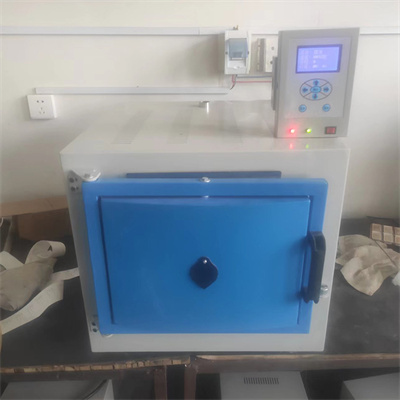
In short, the calorimeter verification is a necessary measure to ensure accurate measurement and compliance operation. Enterprises and users need to attach great importance to it and submit it for inspection on time, so that the calorimeter can continue to play a reliable role.
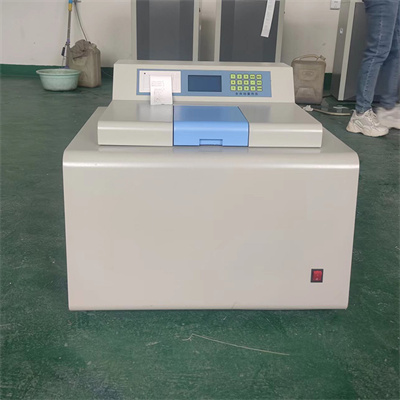 How to read calorimeter data
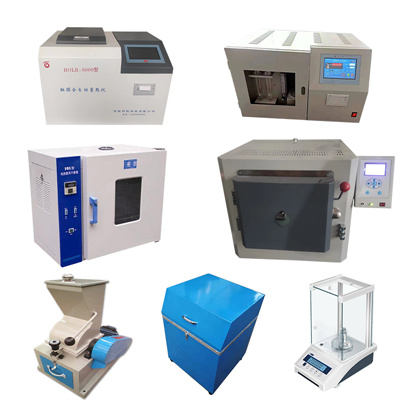 What is the design principle of a calorimeter?
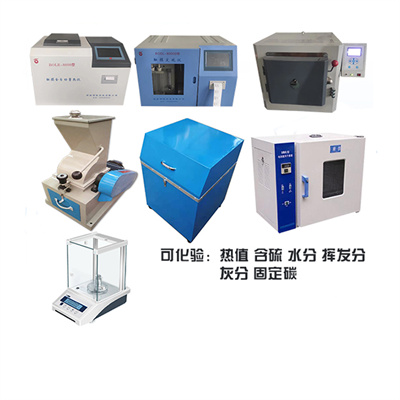 What is the harm of lack of water in the calorimeter?
 What is the input interface of the calorimeter?