How to maintain the calorimeter well?
As a key instrument for accurately measuring heat, calorimeters play an important role in scientific research, chemical industry and other fields. To keep a calorimeter with good performance and a new appearance, scientific maintenance is essential. The following is a detailed introduction to the maintenance method of calorimeters, which is easy to learn and easy to master.
Daily cleaning: keep the instrument clean
After each use of the calorimeter, be sure to clean up the remaining samples, dust and other impurities on the surface of the instrument in time. Gently wipe the instrument shell with a soft and clean damp cloth to avoid using sharp or rough tools to prevent scratching the surface of the instrument. For the measuring parts inside the instrument, special cleaning tools can be used to clean them according to the instructions in the operation manual to ensure that no stains remain, so as not to affect the measurement accuracy.
Periodic calibration: ensure accurate measurement
Calibration is the core link to ensure the measurement accuracy of the calorimeter. A reasonable calibration plan should be formulated according to the frequency of use of the instrument and relevant regulations. It is generally recommended to conduct a comprehensive calibration of the calorimeter every 3-6 months, using standard materials and professional calibration equipment, and strictly follow the calibration process. During the calibration process, carefully check the various parameters of the instrument to ensure that it meets the standard requirements. Once any deviations are found, timely adjustments and corrections are made.
Environmental control: creating the right conditions
The calorimeter has strict requirements on the working environment, and should be placed in a dry, ventilated and temperature-stable room. Avoid long-term exposure of the instrument to humid, high temperature or direct sunlight, so as not to cause rust and aging of the instrument parts and affect the service life. At the same time, keep away from strong magnetic fields and vibration sources to prevent external interference from affecting the normal operation of the instrument.
Component maintenance: focus on key parts
The key components of the calorimeter, such as the agitator, temperature sensor, etc., need to be checked and maintained regularly. Check whether the operation of the agitator is smooth and whether there is any abnormal noise. Clean the attachments on the agitator in time to ensure its normal operation. For the temperature sensor, check whether its connection is firm and whether there are any signs of damage. If there is any problem, replace it in time to ensure the accuracy of temperature measurement.
Standardized operation: develop good habits
When using the calorimeter, the operator must strictly follow the operating procedures. Avoid damage to the instrument due to improper operation, such as avoiding violent collisions, excessive range use, etc. After use, turn off the power of the instrument in time, organize the relevant accessories, and store the instrument properly.
Through the above scientific and meticulous maintenance methods, the calorimeter can not only maintain good performance and appearance, but also effectively extend its service life, providing stable and reliable support for experimental work.
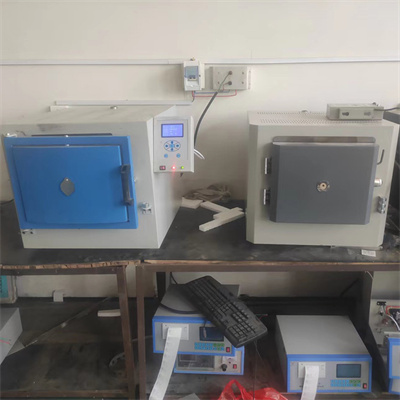
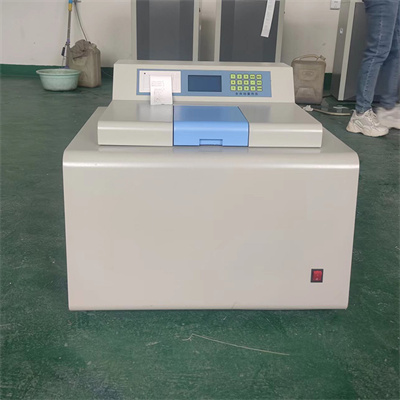 How to read calorimeter data
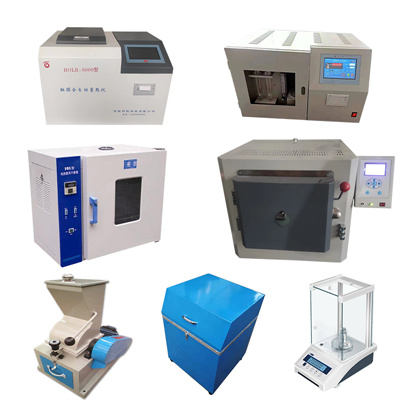 What is the design principle of a calorimeter?
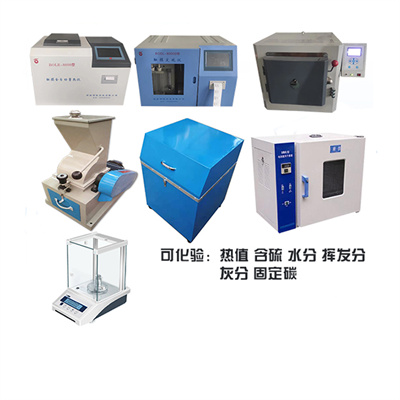 What is the harm of lack of water in the calorimeter?
 What is the input interface of the calorimeter?