How to analyze heat with a calorimeter
The core function of calorimeter and the principle of heat analysis
A calorimeter is a professional instrument for accurately measuring the heat of a substance, which is widely used in chemical, energy and other fields. Its core principle is based on the law of conservation of energy. When a substance is fully burned in the instrument, the released heat will be absorbed by the medium (usually water) of the calorimeter. By measuring the temperature change of the medium and combining the heat capacity of the instrument, the heat released by the substance can be calculated.
The key operation steps of a calorimeter to analyze heat
1. Pre-preparation: First check whether the components of the calorimeter are in good condition to ensure good sealing of the oxygen bomb and avoid air leakage affecting the measurement results. At the same time, prepare the samples to be tested and accurately weigh the quality of the samples, which is the prerequisite for ensuring accurate data.
2. Sample loading and sealing: Place the weighed sample into the oxygen bomb, install the ignition wire to ensure that the sample is in full contact with the ignition wire, and then seal the oxygen bomb and fill it with sufficient oxygen to provide sufficient conditions for the sample to burn.
3. Instrument setting and start-up: Put the sealed oxygen bomb into the inner cylinder of the calorimeter, add an appropriate amount of distilled water, and set the instrument parameters, such as temperature compensation, heat capacity, etc. After starting the instrument, the instrument will automatically monitor the temperature change.
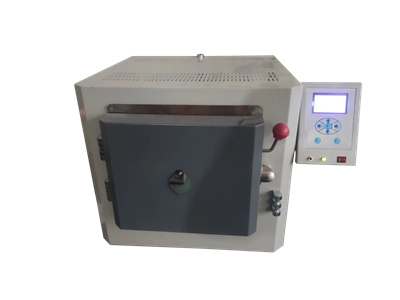
4. Data recording and calculation: After the sample is burned, the instrument will record the temperature change curve in real time. After the temperature stabilizes, the heat released by the sample is calculated through the formula according to the temperature change value and the heat capacity of the instrument, and the accurate heat analysis result is finally obtained.
Key Points for Improving the Accuracy of Calorimeter Thermal Analysis
To ensure the accuracy of heat analysis results, it is necessary to strictly control the experimental environment to avoid excessive fluctuations in ambient temperature; regularly calibrate the calorimeter to ensure the stability of the heat capacity of the instrument; at the same time, the operation process should be standardized to avoid data deviations due to operation errors. Master these points, and you can use the calorimeter to complete the heat analysis work efficiently and accurately.
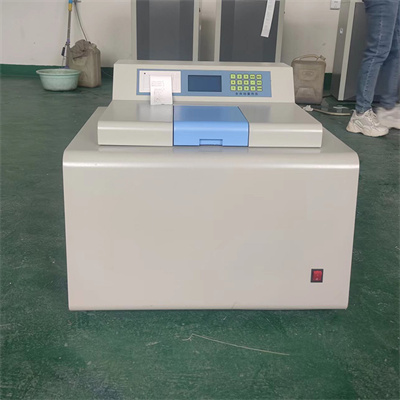 How to read calorimeter data
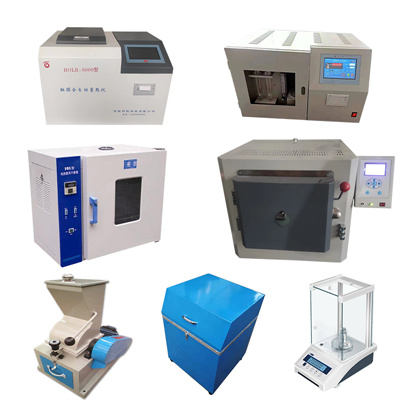 What is the design principle of a calorimeter?
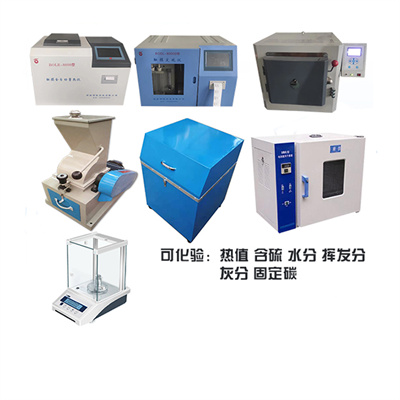 What is the harm of lack of water in the calorimeter?
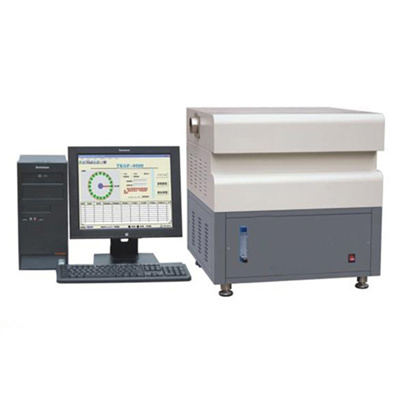 What is the input interface of the calorimeter?