How can the calorimeter be adjusted incorrectly?
The calorimeter is not adjusted correctly. Where is the root cause?
As the core equipment for accurately measuring heat, the calorimeter will seriously affect the reliability of the experimental data if it is not adjusted correctly. There are three main reasons: first, environmental factors, large temperature fluctuations, excessive humidity or strong electromagnetic interference, will interfere with the precision components inside the instrument, resulting in measurement deviations; second, instrument component problems, such as loose oxygen bomb sealing, abnormal agitator speed, and thermocouple aging, which will directly cause heat transfer and measurement distortion; third, calibration operation errors, failure to calibrate according to the specified cycle, failure of calibration standard materials or irregular calibration steps, causing the instrument reference data to deviate from the true value.
Precise debugging, three steps to solve problems
Optimize environmental conditions: Place the calorimeter in a laboratory with stable temperature (15-30 ° C), suitable humidity (≤ 80%), and away from sources of electromagnetic interference. If necessary, install constant temperature and humidity equipment to create a stable environment for the operation of the instrument.
2. Troubleshoot component failures: regularly check the sealing of the oxygen bomb to ensure no air leakage; test the speed of the agitator to ensure uniform mixing; replace the aging thermocouple in time to ensure accurate heat collection. If parts are found to be damaged, they need to be replaced immediately with accessories that meet the specifications.
3. Standardize the calibration process: strictly follow the instrument instructions, use standard benzoic acid and other calibration substances within the valid period, and complete the calibration according to the steps. Make sure the instrument is fully preheated before calibration, record data during the calibration process, and compare the standard values. If the deviation exceeds the allowable range, it needs to be adjusted repeatedly until it is qualified.
Daily maintenance to ensure long-term accuracy
In addition to targeted debugging, daily maintenance is also crucial. Clean the instrument after each use to avoid residual substances affecting the measurement; Regularly carry out comprehensive maintenance of the instrument to check the circuit connection and component wear; Establish an instrument use and maintenance file to record each calibration and maintenance information, which is convenient for tracing the root cause of the problem. Through scientific investigation of the cause, standardized debugging operation and meticulous daily maintenance, it can effectively solve the problem of inaccurate adjustment of the calorimeter, ensure accurate and reliable measurement results, and provide solid data support for experimental research.
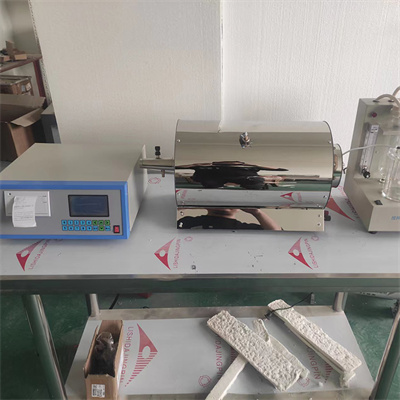
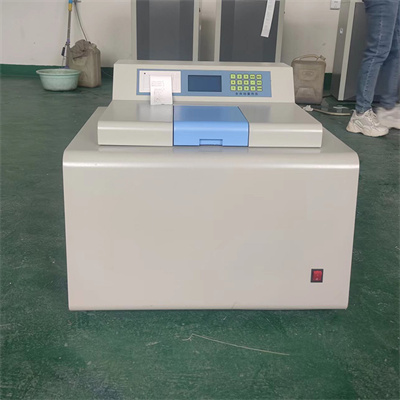 How to read calorimeter data
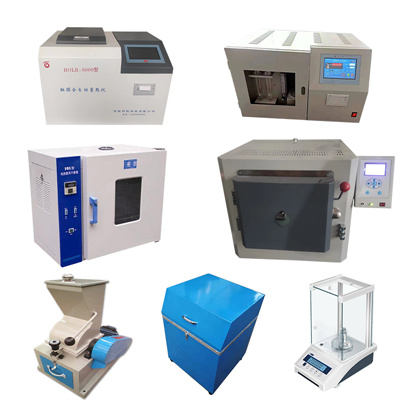 What is the design principle of a calorimeter?
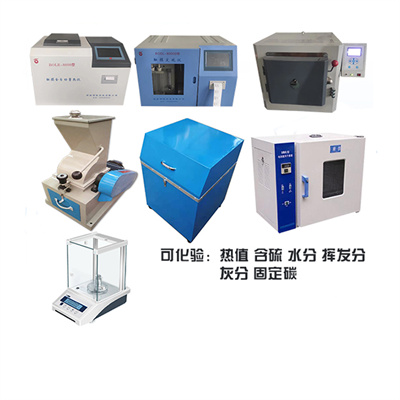 What is the harm of lack of water in the calorimeter?
 What is the input interface of the calorimeter?