How to Determine the Quality of a Calorimeter
In many experiments and testing scenarios, the calorimeter plays a key role, and its performance directly affects the accuracy of the test results. So, how to accurately judge the quality of the calorimeter? Master the following core points to help you easily identify.
Accuracy is the core metric
The core value of a calorimeter is the accurate measurement of heat changes. A high-quality calorimeter produces minimal data deviation when repeatedly measuring the same standard sample. For example, if the results of multiple tests of a reference material with known calorific value are always stable within a very small error range, it means that the instrument has high accuracy. On the contrary, if the data fluctuates greatly, the accuracy is worrying and it is difficult to meet the experimental needs.
Stability determines long-term performance
Stability is about whether the calorimeter can continue to work stably. A good calorimeter will not fluctuate greatly due to external factors such as ambient temperature and voltage fluctuations during long-term continuous operation. Even under complex environmental conditions, the consistency of the measurement data can still be maintained. If the data jumps irregularly after the instrument has been running for a period of time, it indicates that the stability is insufficient and long-term reliable detection cannot be guaranteed.
Ease of operation affects efficiency
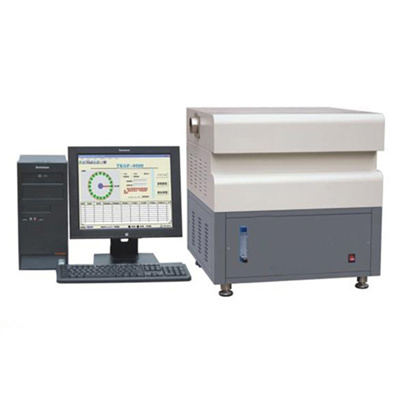
The ease of operation is also an important aspect to measure the quality of the calorimeter. High-quality calorimeters usually have a concise and clear operation interface, the operation process is clear and easy to understand, and you can get started without complicated training. At the same time, the instrument has a high degree of automation, which can reduce human operation errors and improve detection efficiency. If the operation is cumbersome and the interface is confusing, it will not only increase the difficulty of operation, but also easily cause errors in the detection results due to human error.
Appearance and workmanship reflect quality
Although the appearance is not the decisive factor, it can reflect the quality of the calorimeter from the side. A good calorimeter has fine appearance and craftsmanship, no obvious flaws, and all components are tightly connected without loosening. The shell material is sturdy and durable, which can effectively resist collision and wear in daily use. Instruments with rough workmanship and loose parts not only affect the service life, but also may have safety hazards, making it difficult to ensure the quality of inspection.
Calibration function guarantees reliable data
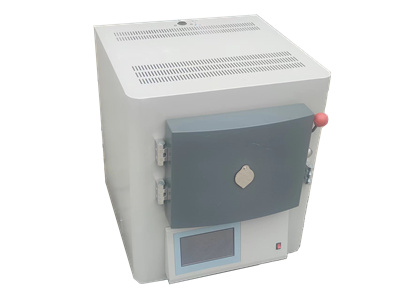
A reliable calibration function is the key to maintaining accurate measurements with a calorimeter. High-quality calorimeters are equipped with a complete calibration system to support regular calibration, and the calibration process is simple and the calibration results are accurate. Through regular calibration, instrument deviations can be corrected in time to ensure that the measurement data is always reliable. If the calibration of the instrument is difficult, or the data deviation after calibration is still large, it means that its calibration function is not perfect and it is difficult to ensure long-term data accuracy.
Judging the quality of a calorimeter requires comprehensive consideration of various factors such as accuracy, stability, ease of operation, appearance, workmanship and calibration function. By mastering these points, you can accurately identify high-quality calorimeters in the purchase and use, providing a solid guarantee for experiments and testing.
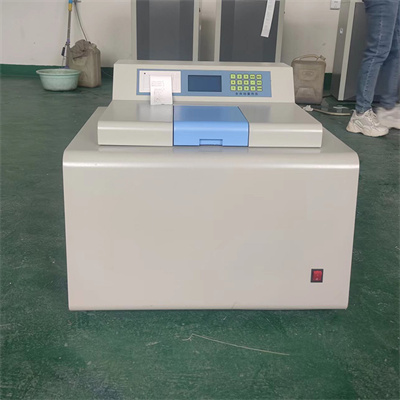 How to read calorimeter data
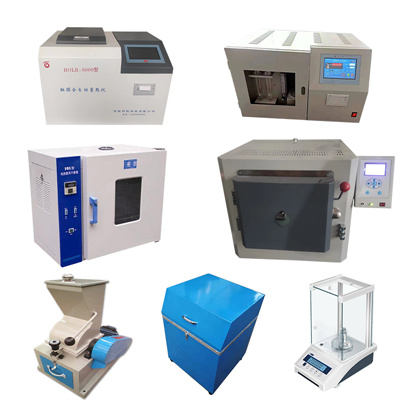 What is the design principle of a calorimeter?
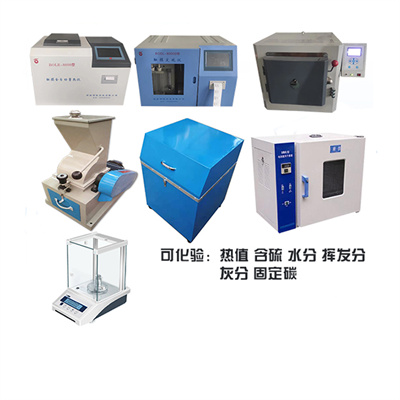 What is the harm of lack of water in the calorimeter?
 What is the input interface of the calorimeter?