Which coal calorimeter is better?
In the field of coal quality inspection, a coal calorimeter is the core equipment for measuring the calorific value of coal. Choosing the right instrument directly affects the accuracy and efficiency of the test results. So, which coal calorimeter is better? By mastering the following core purchase points, you can accurately lock the appropriate equipment.
Core indicator 1: Measurement accuracy is the key
The core value of a coal calorimeter is the accurate determination of calorific value. Failure to meet the standard will lead to data bias, affecting key links such as coal trading and combustion efficiency evaluation. The measurement accuracy of a high-quality calorimeter must meet national standards, and the heat capacity is stable. Even if it is tested many times in a row, the data fluctuation is extremely small. When purchasing, be sure to check the accuracy certification report of the instrument, and give priority to models with high-precision sensors and excellent constant temperature performance to ensure reliable test results.
Core indicator 2: Stability determines efficiency
Coal testing often requires batch processing of samples, and poor instrument stability will cause frequent failures, which seriously affects the testing progress. A good calorimeter should have a stable structural design and a mature temperature control system, which can adapt to long-term continuous work and reduce downtime and maintenance time. It is recommended to choose a brand with high-quality materials and mature technology for core components (such as oxygen bombs and inner cylinders). This type of equipment has a low failure rate, which can ensure long-term stable operation and adapt to high-frequency testing needs.
Core Indicator 3: Operation Convenience Improves Efficiency
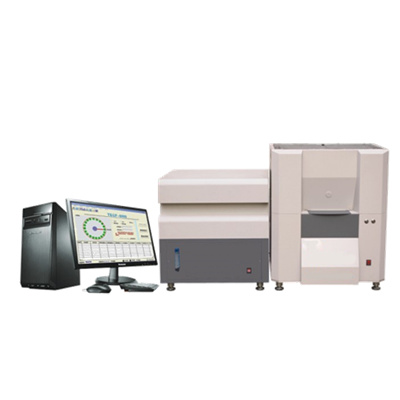
For inspectors, cumbersome instruments are not only expensive to learn, but also prone to data errors due to operational errors. High-quality coal calorimeters should have a user-friendly design, a simple and intuitive operation interface, and have functions such as automatic water addition, automatic ignition, automatic calculation, and automatic data storage, which greatly reduce the difficulty of manual operation. Some high-end models also support intelligent networking, which can remotely view data and export reports to further improve detection efficiency, especially suitable for enterprises with large detection volume.
Core indicator 4: Adaptation scenario and compliance
There are differences in the demand for calorimeters in different scenarios. Laboratory testing requires high-precision and multi-functional models, while on-site rapid testing places more emphasis on portability and testing speed. At the same time, the instrument must comply with relevant national testing standards, have compliance production qualifications and testing certifications, and ensure that the test results are authoritative. Before purchasing, you need to clarify your own testing scenarios and needs, and screen them in combination with compliance requirements to avoid wasting resources due to equipment inappropriateness or non-compliance.
In short, selecting a coal calorimeter requires four core points: accuracy, stability, ease of operation, and compliance. By considering these factors comprehensively and combining with your actual needs, you can choose high-quality equipment with high cost performance and reliable performance, which lays a solid foundation for coal quality testing.
 How to read calorimeter data
 What is the design principle of a calorimeter?
 What is the harm of lack of water in the calorimeter?
 What is the input interface of the calorimeter?