How to reverse the standard of a calorimeter
In the coal, chemical and other industries, calorimeter is the core instrument for accurately measuring the calorific value of substances, and the reverse standard operation is the key link to ensure its measurement accuracy. Mastering the standard reverse standard process can effectively avoid data deviation and ensure the reliability of the experimental results.
First, the core preparation before the anti-bid
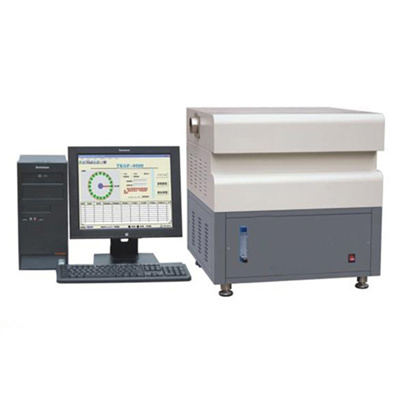
Before reversing the standard, it is necessary to confirm that the calorimeter is in a stable operation state, the ambient temperature is controlled at 15-30 ° C, and the fluctuation does not exceed 1 ° C/h to avoid temperature fluctuations affecting the calibration results. At the same time, prepare high-purity benzoic acid (reference material, purity ≥ 99.99%), and put it in a dryer to dry for 24 hours in advance to remove moisture interference. In addition, the supporting ignition wire, oxygen (purity ≥ 99.5%), crucible and other tools also need to be checked in advance to ensure that there is no damage or pollution.
Second, the key steps of the reverse standard operation
1. Sample weighing: Use 1/10,000 analytical balance to accurately weigh 0.9-1 g of benzoic acid, the error is controlled within ± 0.0002g, and the sample is evenly compacted at the bottom of the crucible to avoid incomplete combustion due to looseness.
2. Sample loading and ignition settings: put the crucible with the sample into the calorimeter oxygen bomb, connect the ignition wire to ensure that the ignition wire is in good contact with the sample, and then fill it with 2.8-3 MPa oxygen, release it after holding the pressure for 15 seconds, and complete the oxygen bomb seal.
3. Start the anti-standard procedure: put the oxygen bomb into the inner barrel of the calorimeter, close the instrument compartment door, select the "anti-standard mode" on the operation interface, enter the actual mass of benzoic acid, standard calorific value (26459J/g) and other parameters, and start the calibration procedure. The instrument will automatically complete the whole process of heating, ignition, and heat calculation.
III. Judgment and adjustment of the results of the counter-bid
After the reverse standard is completed, the instrument will output the measured calorific value. If the deviation between the measured value and the standard calorific value is less than or equal to 0.2%, the reverse standard is qualified and does not need to be adjusted. If the deviation exceeds 0.2%, it is necessary to re-check the environmental conditions, sample weighing and oxygen bomb sealing. After eliminating the operation error, repeat the reverse standard operation until the result meets the standard.
IV. Maintenance points after counter-bid
After the reverse standard is completed, it is necessary to clean the oxygen bomb and crucible in time to remove the combustion residue, regularly calibrate the temperature of the calorimeter and detect the sensor, and establish a reverse standard record ledger to record the reverse standard time, sample data, result deviation and other information in detail, providing data support for instrument maintenance.
Standardized implementation of the reverse standard operation of the calorimeter can not only ensure the accuracy of the instrument, but also provide accurate data support for production and experiments, which is a core skill that relevant practitioners must master.
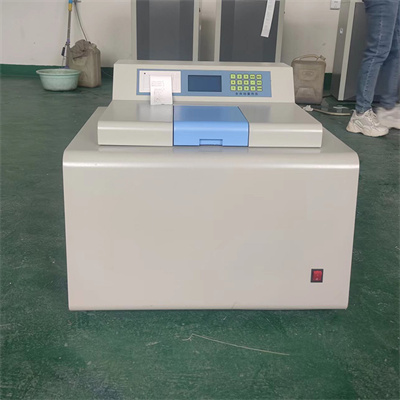 How to read calorimeter data
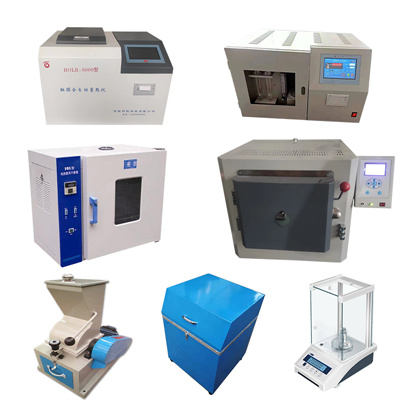 What is the design principle of a calorimeter?
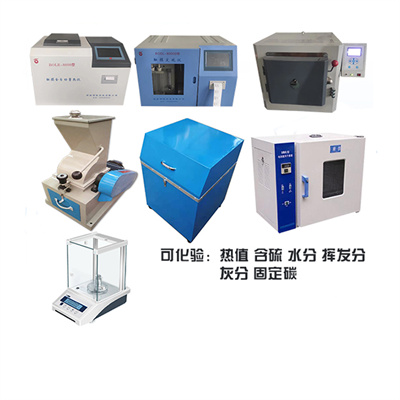 What is the harm of lack of water in the calorimeter?
What is the input interface of the calorimeter?
What is the harm of lack of water in the calorimeter?
What is the input interface of the calorimeter?