How to Find Enthalpy by Calorimeter
Basic Logic of Enthalpy of calorimeter
The calorimeter is the core equipment for measuring the change of heat of a substance, and the enthalpy (H), as a key thermodynamic parameter, is essentially the sum of the product of the internal energy of a substance, pressure and volume, that is, H = U + pV. Under constant pressure conditions, the heat absorbed or released by a substance is equal to the enthalpy change (Delta H), which is the core basis for the enthalpy calculation of the calorimeter - by accurately capturing the change of heat, the enthalpy value is inferred.
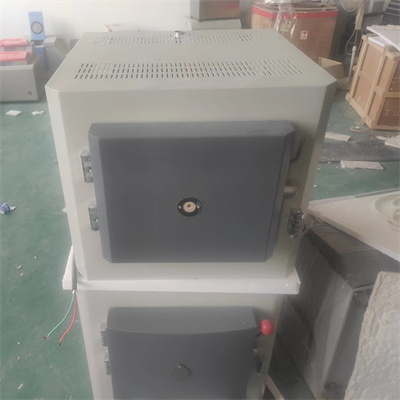
Key steps of enthalpy determination in calorimeter
The first step is to calibrate the system. The calorimeter needs to first calibrate the heat capacity (C) with a reference material (such as benzoic acid) with known combustion heat to ensure that the instrument can accurately convert the relationship between heat and temperature change. The formula is C = Q/Delta T, where Q is the heat released by the reference material, and Delta T is the temperature change value.
The second step is sample testing. Put the sample to be tested into the calorimeter oxygen bomb, fill it with enough oxygen and ignite it. The heat released by the complete combustion of the sample will increase the temperature of the instrument system. Record the initial temperature T < unk > and the termination temperature T < unk >, and calculate the temperature difference Delta T = T < unk > -T < unk >.
The third step is to calculate the enthalpy value. Combined with the calibrated heat capacity, the heat released by the combustion of the sample is Q = C × Delta T. In the constant pressure combustion scenario, this heat is equal to the enthalpy change of the sample. To calculate the unit mass enthalpy value, you need to divide it by the sample mass m, and finally get the unit mass enthalpy value H = Q/m.
Practical precautions
During operation, it is necessary to strictly control the ambient temperature to avoid external heat interference; the sample needs to be fully dried and ground evenly to ensure complete combustion; calibration and testing need to be carried out under the same conditions to ensure the consistency of heat capacity data. These details directly determine the accuracy of enthalpy measurement.
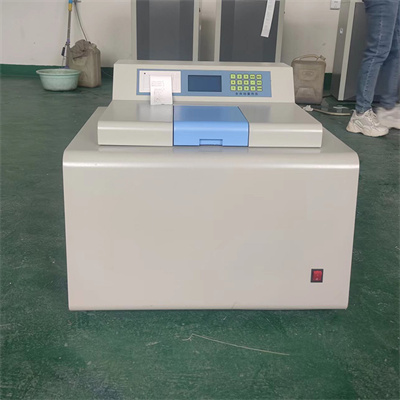 How to read calorimeter data
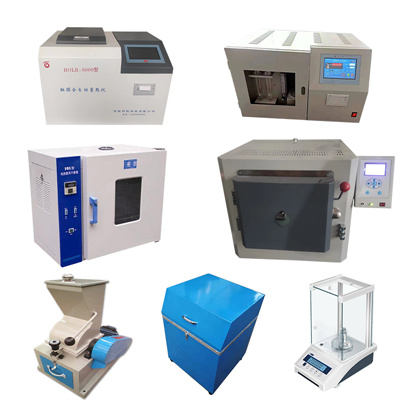 What is the design principle of a calorimeter?
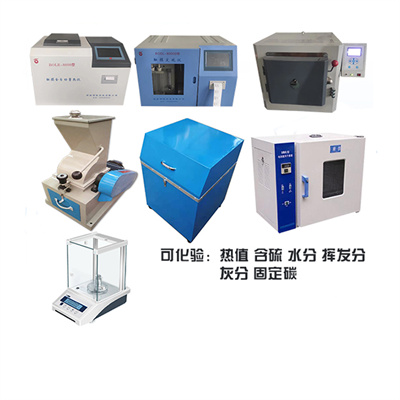 What is the harm of lack of water in the calorimeter?
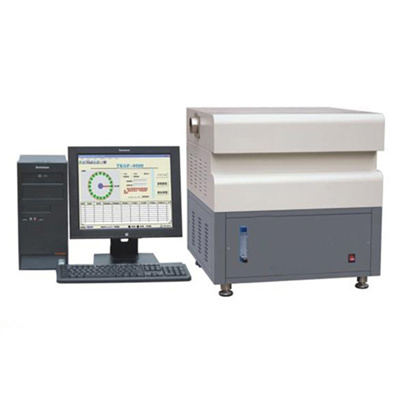 What is the input interface of the calorimeter?