Where to check the calorimeter?
The importance of calorimeter verification
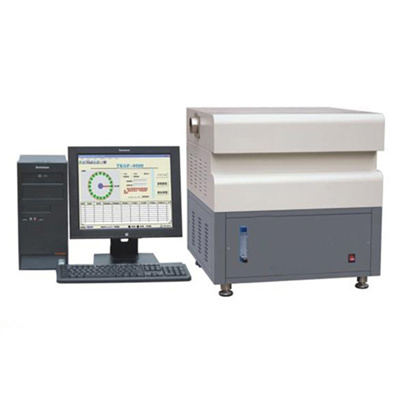
As a key instrument for accurately measuring heat, calorimeters are widely used in energy, chemical industry, scientific research and other fields. The accuracy of its measurement data is directly related to product quality, energy accounting and the scientificity of experimental results. In order to ensure the stable performance and reliable data of the calorimeter, regular professional verification is essential. Unchecked or unqualified calorimeters may lead to data deviations and affect production decisions and scientific research conclusions.
Selection of Calorimeter Verification Mechanism
1. Statutory metrological verification institutions: Metrological verification institutes under local market supervision and administration bureaus, with legal qualifications and strong technical strength, can carry out calorimeter verification work in accordance with national metrological verification regulations, and the verification certificate issued is legally valid, suitable for scenarios with high requirements for data authority.
2. Third-party calibration and testing institutions: A professional calibration laboratory accredited by the China National Accreditation Service for Conformity Assessment (CNAS), with advanced testing equipment and a professional technical team, the service is flexible and efficient, and can meet the individual needs of different customers. It is suitable for internal quality control and high timeliness requirements of enterprises.
When selecting an institution, be sure to verify whether it has the appropriate qualifications, check whether its scope of approval covers the calorimeter verification project, and ensure the authority and validity of the verification results.
Calorimeter verification process
1. Preparation before inspection: Clean the calorimeter in advance to ensure that the appearance is not damaged and the function is normal. Organize the instrument manual, last verification certificate and other relevant materials, so that the verification personnel can quickly understand the condition of the instrument.
2. Inspection and acceptance: Send the calorimeter to the selected verification agency, fill in the inspection registration form, and clarify the verification requirements and expected completion time. After the agency accepts it, it will conduct a preliminary inspection of the instrument, and arrange verification after confirming that it is correct.
3. Verification implementation: According to the national metrological verification regulations, the verifier uses standard instruments to strictly test the key indicators such as the indication error, repeatability, and stability of the calorimeter, and records the test data.
4. Issue a report: After the verification is completed, the institution will issue a verification certificate or calibration report according to the test results. If the instrument is qualified, the certificate will clearly mark the qualified conclusion and valid period; if it is unqualified, it will explain the unqualified items and rectification suggestions.
Precautions for verification
Verification period: According to the frequency of use of the instrument, environmental conditions and industry standards, the verification period is reasonably determined. It is generally recommended to verify at least once a year. Frequently used instruments can be shortened appropriately.
- Daily maintenance: between the two inspections, do a good job of daily cleaning and maintenance of the calorimeter to avoid severe vibration and humid environment, ensure that the instrument is in good operating condition, and reduce the risk of failure to pass the verification.
Mastering the institution selection, process and key points of calorimeter verification can effectively ensure the measurement accuracy of the instrument and provide reliable data support for production and scientific research. If you need to know more about the verification details, you can consult a professional verification agency for targeted guidance.
 How to read calorimeter data
 What is the design principle of a calorimeter?
 What is the harm of lack of water in the calorimeter?
 What is the input interface of the calorimeter?