How much hydrogen is transported by the calorimeter?
Core standard for hydrogen input in a calorimeter
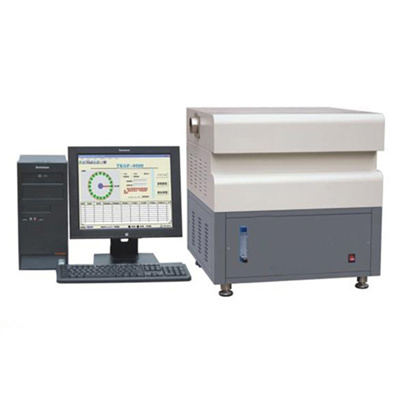
Calorimeters are widely used in energy detection, chemical analysis and other fields. Hydrogen input is a key parameter affecting the accuracy of test results. According to relevant industry specifications, the hydrogen input of the calorimeter needs to strictly match the rated working conditions of the equipment. The hydrogen input of conventional equipment is mostly controlled in the 0.5-2 L/min range. The specific value needs to refer to the rated parameters marked in the equipment manual and cannot be adjusted at will.
Effect of Hydrogen Input on Detection Results
Excessive hydrogen input can lead to insufficient combustion reaction, which not only wastes energy, but also may cause blockage of the instrument pipeline and even damage the core components. At the same time, the detection data is too high, which cannot truly reflect the calorific value of the sample. If the hydrogen input is too low, it will lead to incomplete combustion, and the sample cannot fully release heat, directly leading to low detection results, which seriously affects the detection accuracy and cannot provide a reliable basis for production decisions.
Key points for precise control of hydrogen input
1. Calibration of equipment parameters: Before use, the hydrogen flow control system of the calorimeter must be calibrated to ensure that the flow display is consistent with the actual input. Calibration requires the use of a standard flowmeter and the operation of the equipment calibration process is strictly followed.
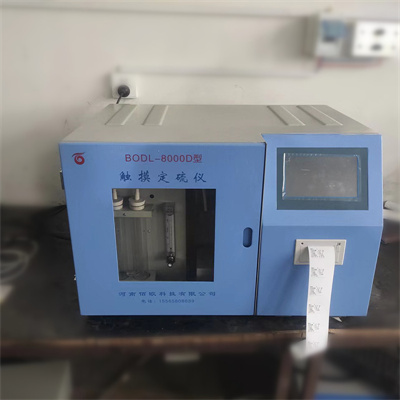
2. Real-time monitoring and adjustment: Pay close attention to the value of the hydrogen flow meter during the detection process. If there is a fluctuation, it needs to be fine-tuned through the flow control valve in time to maintain the stability of the hydrogen input within the rated range and avoid large fluctuations affecting the detection results.
3. Regularly maintain the pipeline: Regularly check the hydrogen transmission pipeline for leaks and blockages, clean up the pipeline impurities in a timely manner, and replace the aging seals to ensure smooth hydrogen transportation and stable input.
Operational considerations for hydrogen input compliance
Operators must be professionally trained to master the adjustment and control methods of the hydrogen input of the calorimeter; check the hydrogen source pressure before each test to ensure that the pressure meets the equipment requirements; shut down the hydrogen source in time after the test is completed to avoid hydrogen leakage and cause safety hazards. At the same time, keep equipment operation records for subsequent traceability and maintenance.
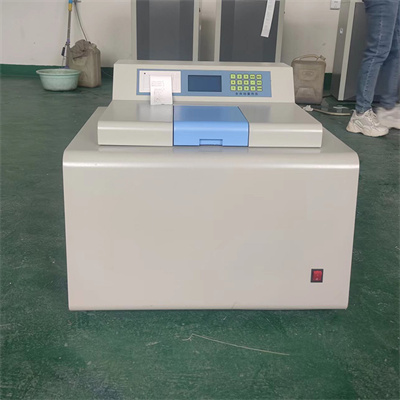 How to read calorimeter data
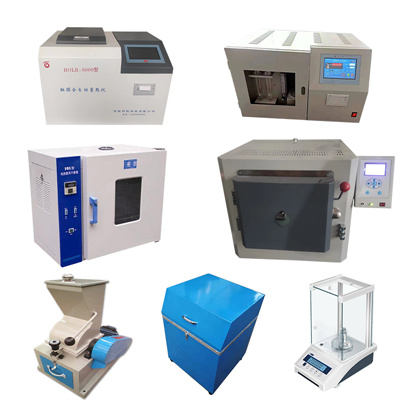 What is the design principle of a calorimeter?
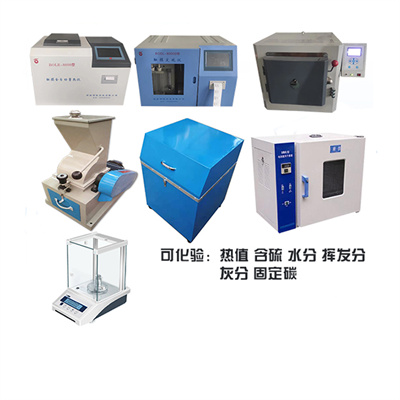 What is the harm of lack of water in the calorimeter?
 What is the input interface of the calorimeter?