What water does the calorimeter add?
When using a calorimeter for testing, adding water is crucial and directly affects the accuracy of the test results. So, what water should be added to the calorimeter, and what are the specifications?
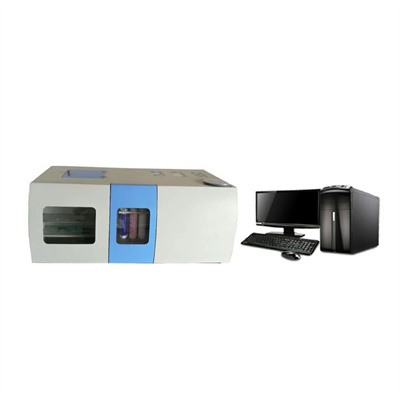
Distilled or deionized water is preferred. These two types of water have been purified and are almost free of impurities, minerals and microorganisms. Impurities can interfere with the heat conduction of the calorimeter, minerals may participate in the reaction, and microorganisms can easily breed fouling, which can affect the performance of the instrument and lead to deviations in the test results.
Strictly control the water quality standards. The conductivity of the water used needs to be stable and up to standard, usually below a specific value, to ensure the purity of the water. At the same time, the pH value of the water should also be kept within a reasonable range to avoid corrosion of the internal parts of the instrument due to abnormal pH or interference with the detection reaction.
There are norms for adding water. Before adding water, be sure to confirm that the instrument is in a state of shutdown or power failure to prevent electric shock or misstart of the instrument. Use a clean special container to hold water and slowly inject it with the help of a funnel to avoid water splashing other parts of the instrument and damaging circuits and components.
Daily maintenance should be paid attention to. Regularly replace the water in the instrument to prevent the growth of bacteria and precipitation due to long-term standing. If the water quality becomes turbid and smelly, it needs to be replaced immediately. In addition, the water tank should be cleaned regularly to remove scale and dirt to ensure the stable operation of the instrument.
Master the correct method of adding water to the calorimeter, choose the right water, and operate it in a standardized manner, so that the calorimeter can perform at its best and lay a solid foundation for accurate detection.
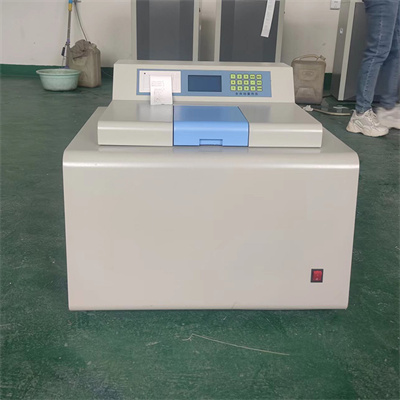 How to read calorimeter data
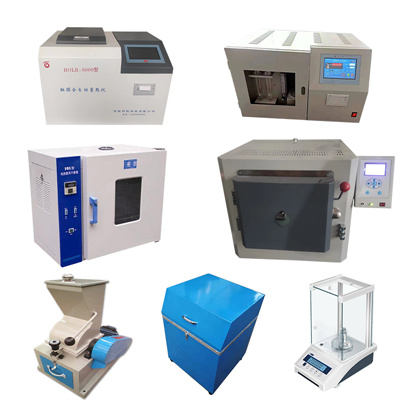 What is the design principle of a calorimeter?
 What is the harm of lack of water in the calorimeter?
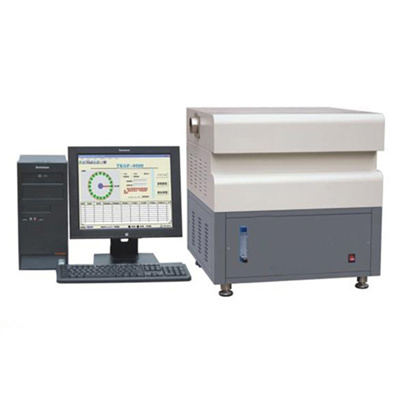 What is the input interface of the calorimeter?