What's in a calorimeter?
The core definition and function of a calorimeter
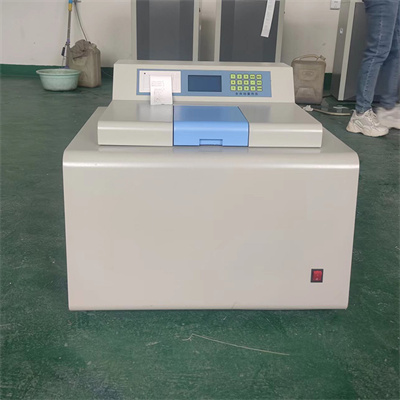
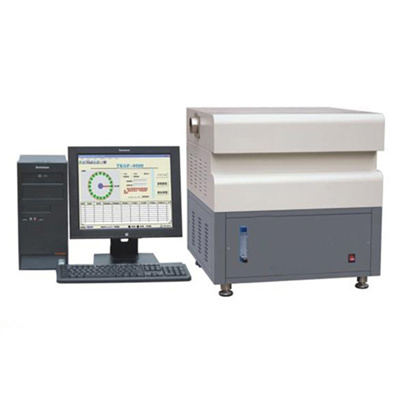
The calorimeter is a precision instrument specially used to measure the heat released by the combustion of substances, and plays a key role in the energy, chemical, building materials and other industries. It can accurately capture the heat released during the combustion of substances, provide core data support for fuel quality determination and production process optimization, and is an indispensable professional equipment in the field of heat detection.
The working principle of a calorimeter
The calorimeter operates based on thermodynamic principles. The core logic is to fully burn the sample to be tested in a sealed oxygen bomb, and the released heat is absorbed by the quantitative water in the instrument. By accurately measuring the increase in water temperature and combining the calibration parameters of the instrument, the combustion calorific value of the sample can be calculated. The whole process relies on high-precision temperature sensors and a stable thermal insulation system to ensure that the data error is controlled within a very small range.
Main application scenarios of calorimeters
1. Coal quality analysis field: In the coal industry, calorimeters are the core testing equipment. By measuring the calorific value of coal, they determine the grade of coal, providing a basis for fuel selection in power generation, heating, and other scenarios, which is directly related to energy utilization efficiency.
2. Chemical Products Research & Development: In chemical production, the combustion heat of raw materials is measured by calorimeter, which can optimize reaction conditions, ensure production safety, and provide key data for the research and development of new fuels and explosives.
3. Building materials quality control: During the production of building materials, calorimeters are used to detect the calorific value of raw materials such as cement and bricks, to help control product quality and ensure the stability of building materials in high-temperature environments.
Key points for using a calorimeter
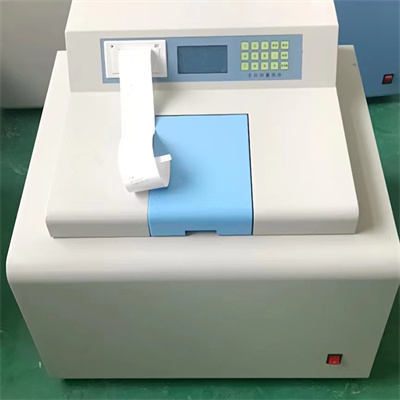
When using a calorimeter, it is necessary to strictly follow the operating specifications: first, the instrument should be calibrated to ensure the accuracy of temperature measurement; secondly, the sample should be uniformly crushed and accurately weighed to ensure sufficient combustion; finally, attention should be paid to the sealing inspection of the oxygen bomb to avoid heat loss due to air leakage, which will affect the accuracy of the test results.
Mastering the relevant knowledge of calorimeters can help enterprises accurately control energy quality, improve production efficiency, and build a solid technical foundation for the high-quality development of the industry.
 How to read calorimeter data
 What is the design principle of a calorimeter?
 What is the harm of lack of water in the calorimeter?
 What is the input interface of the calorimeter?