How to choose a calorimeter
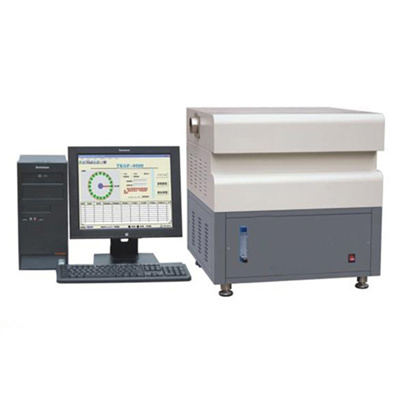
In various calorific value detection scenarios, the calorimeter is the core equipment, and the accuracy of the selection directly affects the detection efficiency and the accuracy of the results. The following is to sort out the key points of calorimeter selection for you to help you quickly select the appropriate equipment.
Clear detection requirements are a prerequisite for selection
The first step is to determine the type and frequency of the sample to be tested. If it mainly detects solid fuels such as coal and coke, a conventional calorimeter suitable for such samples needs to be selected; if it involves special samples such as liquid fuels and biomass fuels, it is necessary to confirm whether the equipment supports the detection process of the corresponding sample. At the same time, in scenarios with high detection frequency, a calorimeter with a high degree of automation needs to be given priority to reduce manual operation time.
Focus on core performance parameters
The core performance of a calorimeter directly determines the detection accuracy, and it is necessary to focus on the stability of heat capacity and temperature measurement accuracy. Equipment with stable heat capacity can ensure the consistency of multiple detection results; the higher the temperature measurement accuracy, the smaller the data error. It is recommended to choose a model with a temperature measurement accuracy of ± 0.0001 ° C to meet the needs of high-precision detection.
Consider the automation and convenience of the equipment
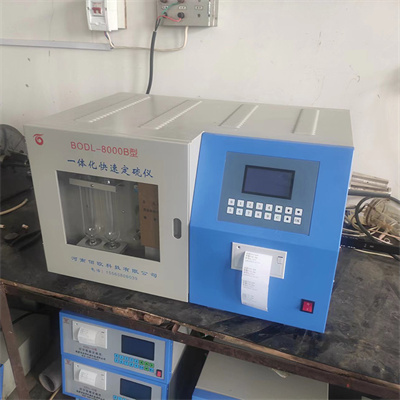
The degree of automation of modern calorimeters varies significantly. Automated models can achieve automatic water injection, ignition, data collection and calculation, greatly reducing the difficulty of manual operation, reducing human error, and suitable for batch detection scenarios; if the budget is limited and the detection volume is small, semi-automatic models can be selected, but the efficiency and cost of manual operation need to be evaluated.
Match usage scenarios with environmental conditions
When selecting a model, it is also necessary to consider the environmental conditions of the use scene. Laboratory space is limited, and a small desktop calorimeter is preferred; if you need outdoor or on-site testing, you need to choose a device with strong portability and good anti-interference ability. In addition, if the ambient temperature and humidity fluctuate greatly, it is necessary to confirm whether the device has the function of temperature and humidity compensation to ensure the stability of testing.
Pay attention to brand and after-sales guarantee
Choosing a brand with a good reputation guarantees the quality and stability of the equipment. At the same time, perfect after-sales services are indispensable, including equipment installation and commissioning, operation training, fault repair response speed, etc., which can avoid many problems in subsequent use and escort the long-term stable operation of the equipment.
Overall, the selection of a calorimeter requires a comprehensive combination of factors such as testing requirements, core performance, degree of automation, usage scenarios, and after-sales support. Only by accurately matching can the equipment maximize its value and facilitate efficient and accurate calorific value detection.
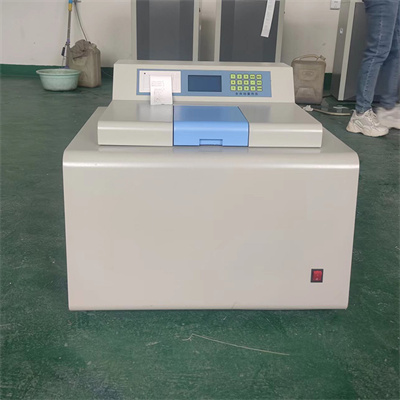 How to read calorimeter data
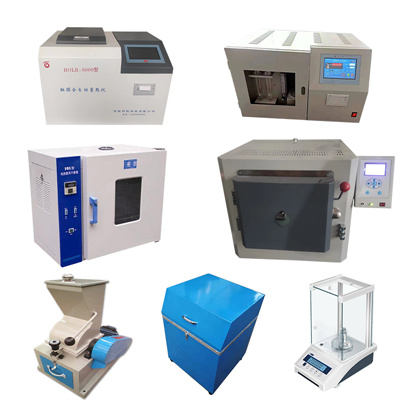 What is the design principle of a calorimeter?
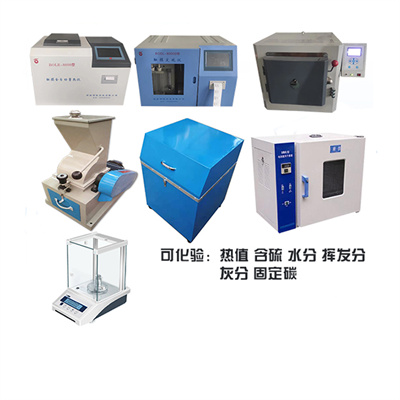 What is the harm of lack of water in the calorimeter?
 What is the input interface of the calorimeter?