The calorimeter measures several times
When using a calorimeter to carry out testing work, the number of tests is not determined arbitrarily, but needs to strictly follow scientific standards in order to ensure the accuracy and reliability of the test results. It is the first premise to clarify the basic test number standard. According to the detection requirements of most calorimeters, routine sample testing requires at least 2 parallel tests. The core purpose is to eliminate possible errors in a single operation, such as sample weighing deviation, instrument temperature fluctuations, etc., to avoid distortion of results due to accidental factors.

In special cases, the adjustment of the number of tests needs to be paid attention to. If the deviation of the results of the two parallel tests exceeds the specified range, for example, the difference exceeds the error threshold allowed by the instrument, the third test must be carried out. At this time, abnormal data with large deviations need to be excluded, and the average value of the two results with similar values should be selected as the final test data. If the three test results still cannot meet the consistency requirements, it is necessary to check whether the sample preparation is uniform and whether the instrument is in a stable calibration state. After the problem is solved, the test should be resumed, and the number of tests should not be blindly increased.
Standardized operation is the key to reducing repeated testing. To avoid additional test times due to operation errors, multiple core links need to be controlled. When weighing samples, it is necessary to ensure accuracy, strictly control the quality of samples according to the instrument range, and the samples need to be fully dried and evenly filled. Before testing, it is necessary to confirm that the calorimeter has completed preheating and calibration to ensure the stability of various parameters of the instrument. During the test process, the temperature change curve needs to be monitored in real time to avoid abnormal situations such as sudden temperature changes. Only standardized operation can reduce unnecessary repeated testing from the source and improve detection efficiency.
The relationship between the number of tests and the validity of the data cannot be ignored. Each test corresponds to the key link of data verification. Adequate number of tests is the core support to ensure the scientificity of data. In actual testing, the number of tests needs to be reasonably determined in combination with the characteristics of the sample and the requirements of the detection accuracy. It cannot save time and simplify the testing process, nor can it blindly increase the number of times and cause waste of resources. Only by strictly following the industry specifications and instrument operation manuals can the calorimeter play the role of accurate detection and provide reliable data support for subsequent analysis.
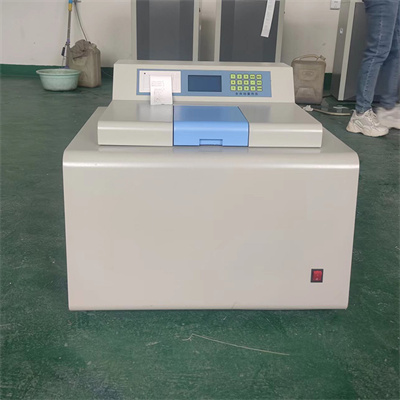 How to read calorimeter data
 What is the design principle of a calorimeter?
 What is the harm of lack of water in the calorimeter?
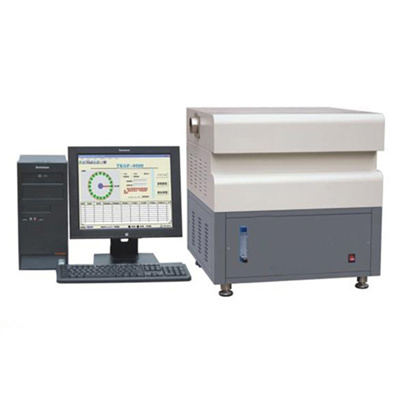 What is the input interface of the calorimeter?